
Africa Watch
Long-Term Observers Deployed to The Gambia as ECOWAS Closely Monitors Dec 5 Poll

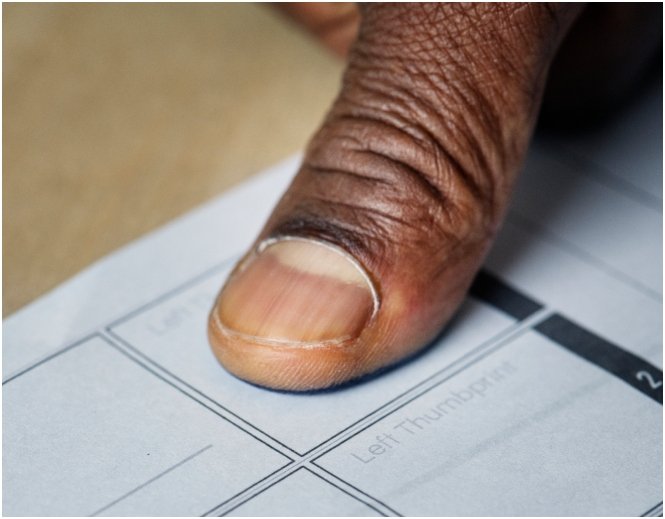
Banjul, The Gambia — The Economic Community of West African States (ECOWAS) has deployed a team of long-term observers to The Gambia ahead of the country’s presidential election on December 5, 2026, as the regional bloc intensifies its monitoring of a vote it describes as a matter of “shared regional interest.”
The ECOWAS Long-term Observers have been holding consultations with key stakeholders in Banjul, including the Independent Electoral Commission (IEC), civil society organisations, and the presidential candidates, as part of a comprehensive observation mission coordinated from the ECOWAS Commission headquarters in Abuja, Nigeria.
IEC Assures Observers of Readiness
On Monday, November 16, the ECOWAS observers met with the IEC chairman, Joseph Kolley, who assured the mission of the Commission’s readiness to deliver a credible and transparent election.
“Electoral materials are almost all gone to the regions,” Kolley told the visiting observers at his office in Banjul.
He said the Commission was rolling out its training plan for polling agents who would man the 1,773 polling stations in 730 polling centres across the country.
On security, Kolley said the IEC was working with security agencies to protect polling staff, voters and the vote, adding that a police commissioner is assigned to the Commission to help coordinate security matters.
The IEC has registered 1,146,474 voters for the December 5 election.
Responding to concerns raised by civil society groups about underage voters, the IEC chairman said the Commission was adhering strictly to the provisions of the law, especially the Electoral Act, which prescribes the requirements for voter registration.
Candidates Sign Peace Pact
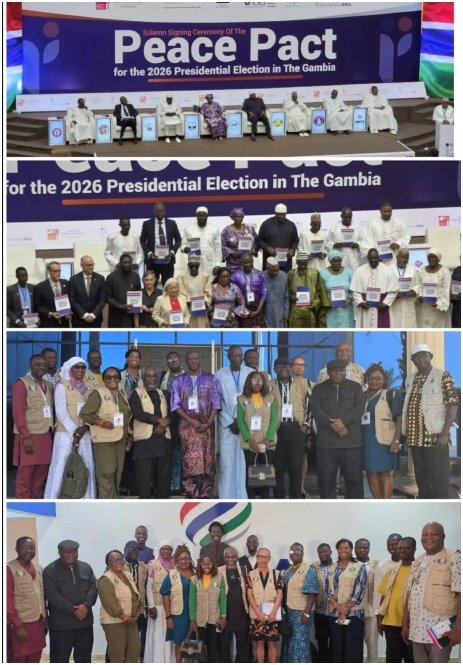
In a significant development on Monday, all eight approved presidential candidates signed a Peace Pact in Banjul, committing to non-violence and to respecting the outcome of the vote.
The eight candidates include incumbent President Adama Barrow, who is seeking re-election for a second time following his election in 2016; veteran opposition leader Ousainu Darboe; Talib Ahmed Bensouda; and former Vice-President Dr Isatou Touray, Gambia’s first female presidential candidate.
The candidates committed to running peaceful, issue-based campaigns; to eschewing hate speech; avoiding violence and intimidation; respecting the results announced by the IEC; and settling disputes through lawful and peaceful means.
Three of the candidates are running as independents. The IEC also confirmed that the ninth presidential contender, Ansu Sanneh, has voluntarily withdrawn his candidacy and thrown his weight behind Bensouda.
ECOWAS: Stability Is a Regional Concern
Speaking on behalf of the ECOWAS Commission President, Gen. Birame Diop, the ECOWAS Permanent Representative and Head of Mission in The Gambia, Madam Naminata Meita Sangare, underscored the regional significance of the vote.
“The Gambia’s democratic journey is an important part of the West African democratic landscape. Its stability and peaceful development are therefore not only a national concern, but also a matter of shared regional interest,” Sangare said.
The Peace Pact was witnessed by six guarantors, including Dr Mohamed Ibn Chambas, former ECOWAS Commission President and the Secretary-General’s Special Representative and Head of the UN Office for West Africa and the Sahel, who signed as an eminent person.
“This Pact does not replace the law, and it does not enforce itself. Its force comes from your word and from the vigilance of Gambians,” Ibn Chambas told the candidates. “The Monitoring Committee, with the Moral Guarantors, will watch closely and speak publicly if it must.”
The other witnesses were IEC Chairman Kolley, the Most Rev. Bishop Bannie Manga (Chairperson, Gambia Christian Council), Imam Alhaji Essa Darboe (President, Gambia Supreme Islamic Council), Fatou Jagne Senghore (Senior Representative of Civil Society), and Jainaba Faye (International IDEA, Gambia).
Goodwill statements were also delivered by the National Elections Response Group, the African Union, and the UN Office for West Africa and the Sahel (UNOWAS).
📄 Open Document in Google Docs
Civil Society Calls for Reform
In continuation of their consultations with stakeholders, the ECOWAS observers met with officials of the civil society group Gambia Participate, led by its Executive Director Marr Nyang.
The officials commended the IEC for “a transparent nomination” exercise, which they said restored public confidence after initial fears.
They also called for improvement in the political representation of women and the repeal of the Public Order Act, which they said undermines human rights and the freedom of assembly.
Regional Stakes
The deployment of long-term observers from Abuja to Banjul reflects ECOWAS’s broader commitment to safeguarding democratic stability in West Africa, a region grappling with recent coups, contested elections, and security crises.
For The Gambia, the December 5 vote represents the second democratic transfer of power since President Barrow defeated long-time ruler Yahya Jammeh in 2016 — a transition that required regional intervention to enforce.
With the Peace Pact signed and observers in place, attention now turns to whether the vote will meet the credibility standards ECOWAS and international partners expect.
Editorial Note: This report was compiled from a press release issued by the ECOWAS Observation Mission in Banjul, The Gambia.






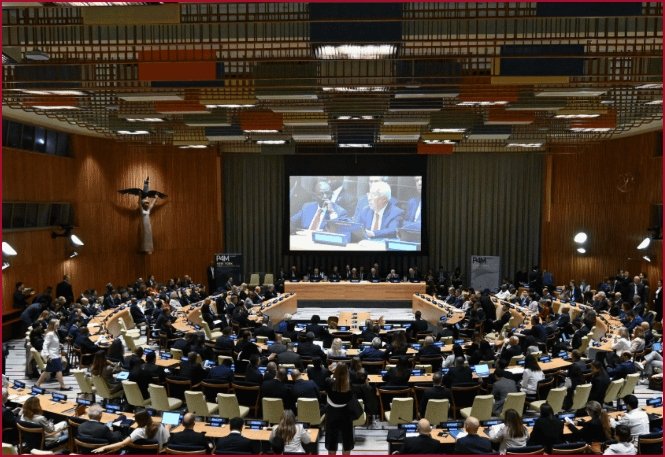
Africa has made its boldest demand yet for reform of the United Nations Security Council: at least two permanent seats with veto powers, and five non-permanent seats for the continent.
Vice-President Kashim Shettima of Nigeria delivered the demand while presenting President Bola Tinubu’s national statement at the 81st UN General Assembly in New York, positioning Africa’s case as both a moral imperative and a necessary correction to a global governance structure built for a bygone era.
“The world of 2026 cannot remain captive to the distribution of power in 1945,” Shettima declared, drawing a sharp contrast between the Security Council’s post-World War II origins and today’s geopolitical realities.
A Longstanding Demand
Nigeria’s position is consistent with the Ezulwini Consensus and Sirte Declaration, adopted as the Common African Position. Under this framework, Africa seeks at least two permanent seats with all existing privileges, including veto power for as long as the privilege exists, alongside five non-permanent seats on the Council.
The African Union reaffirmed the demand in May, stating that Africa’s exclusion from permanent representation constituted a historical imbalance requiring correction.
Shettima argued that institutions claiming authority to act for humanity must adequately reflect the people on whose behalf decisions are taken. Africa, he noted, is home to 1.5 billion people and constitutes the largest regional voting bloc in the General Assembly—yet remains without a single permanent seat.
The 1945 Problem
The Security Council has five permanent members: China, France, Russia, the United Kingdom, and the United States, each possessing veto power. This configuration has remained unchanged since the UN’s founding in 1945, apart from a single expansion of non-permanent membership from six to ten in 1965.
Africa currently has no permanent representative on the Council.
Shettima said Africa could no longer remain outside permanent membership while issues concerning the continent continued to occupy substantial attention of the Council. He linked Security Council reform to efforts to restore confidence in multilateralism amid widening geopolitical divisions.
“Differences among nations must not obscure their common humanity or responsibility to preserve peace for future generations,” he said.
Nigeria’s Peacekeeping Record
Shettima recalled Nigeria’s contributions to international and regional peace operations in Liberia, Sierra Leone, Darfur, Mali, and The Gambia. He said Nigeria also continues to work through ECOWAS, the African Union, and Gulf of Guinea mechanisms, covering mediation, counter-terrorism, democratic governance, and maritime security.
According to him, these efforts demonstrate Nigeria’s commitment to international peace and security—and its readiness to assume greater responsibility on the global stage.
A Warning Against Propaganda
The Vice-President also warned against a global environment where propaganda blurred distinctions between victims and aggressors and complicated accountability. He maintained that an inclusive and effective UN remained indispensable to global peace and sustainable development.
Shettima reaffirmed Nigeria’s commitment to the UN Charter and international cooperation, saying Nigeria supported an international system where diplomacy takes precedence over coercion and international law guides relations among states.
He identified the conflict in Sudan and other theatres as requiring urgent diplomacy because of their humanitarian, economic, and geopolitical consequences.
The Road Ahead
Nigeria’s demand comes amid renewed calls by African leaders for reforms to an institution whose permanent membership remains unchanged since its creation. The African Union’s preferred reform model provides for at least two permanent African seats, including veto privileges while existing members retain them, and five non-permanent seats.
Whether the five permanent members, particularly China, Russia, and the United States, will support a reform that dilutes their power remains uncertain. Previous reform efforts have stalled for decades.
But Shettima made clear that Africa’s patience is wearing thin. The continent, he said, remains committed to a multilateral order capable of responding more credibly to 21st-century realities.
“The world of 2026 cannot remain captive to the distribution of power in 1945,” he repeated, leaving little doubt that Africa intends to keep pressing until its voice is heard, and its seat secured.

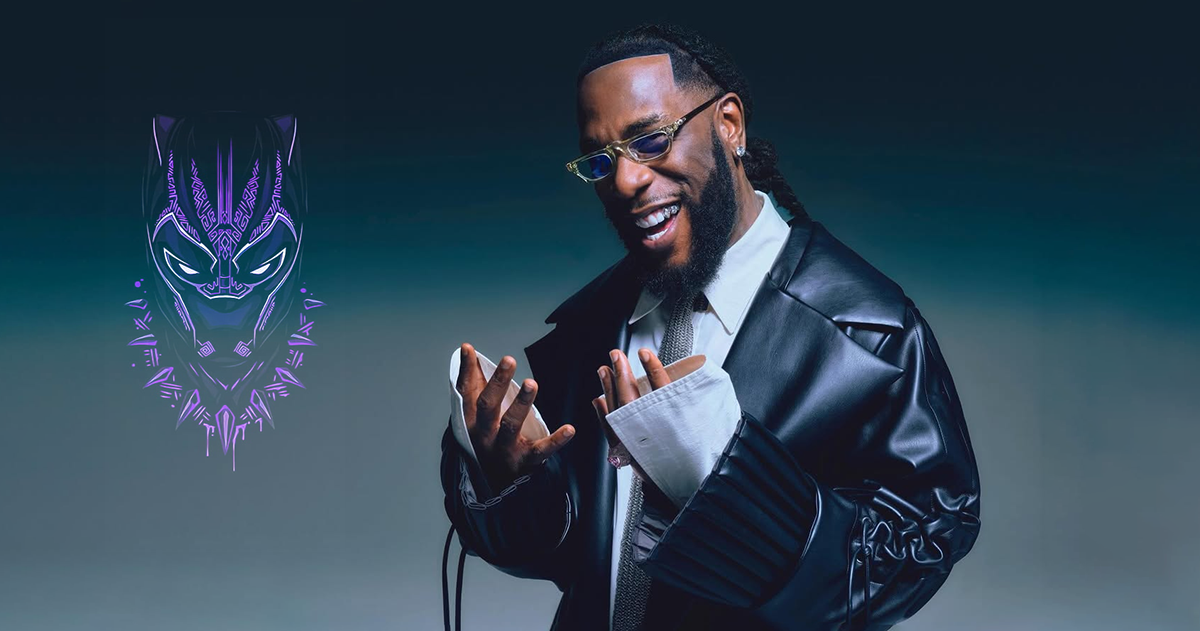
The fictional kingdom of Wakanda may be thousands of miles away from Lagos, Accra, and Johannesburg, but its soundscape remains deeply tied to the rhythms of the African continent.
Reports circulating across social media and film databases suggest that Nigerian megastar Burna Boy could be making a high-profile return to the Black Panther franchise.
According to credit listings briefly spotted on IMDb, the Grammy-winning “African Giant” is featured among the music contributors for Marvel Studios’ anticipated next chapter in the Wakandan saga.
The listed lineup also features Nigerian singer CKay, South African pop phenom Tyla, and American hip-hop icon Kendrick Lamar, who curated the record-breaking original Black Panther album in 2018.
For fans across the continent, the news has sparked immediate celebration. The Black Panther franchise has consistently served as a global megaphone for modern African culture.
When Wakanda Forever debuted, Burna Boy’s haunting track “Alone” stood out as one of the emotional pillars of the film’s soundtrack.
Rejoining the lineup alongside hitmakers like CKay and Tyla signals a continued commitment by film directors and music supervisors to keep contemporary African sounds at the heart of Hollywood’s biggest blockbuster universe.
However, music enthusiasts and industry insiders know that online database entries carry a major caveat.
IMDb listings are frequently crowdsourced or updated ahead of formal production stages, meaning unconfirmed cast and crew additions can circulate long before studio executives step in. Marvel Studios has maintained its trademark secrecy, offering no official tracklist or artist confirmations.
Whether the current roster proves accurate or undergoes shifts before release, the mere prospect highlights Afrobeats’ firmly established footprint in global pop culture.
Until Marvel officially drops the needle, fans will be keeping a close watch—and hoping the African Giant lands back in Wakanda.
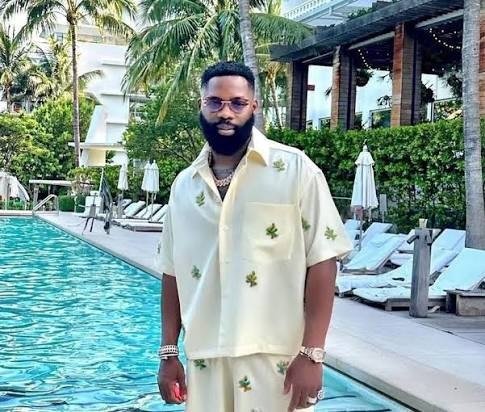
A British-Nigerian businessman and social media influencer died from a pulmonary embolism after undergoing a penis enlargement procedure in Thailand, a UK coroner’s inquest has heard.
Igho “Tiny” Ubiribo, also known as “Ego”, was 43 when he died in Bangkok following complications from the cosmetic procedure during a trip to Thailand with his wife.
Evidence presented at the inquest said Ubiribo had 40ml of hyaluronic acid and lidocaine injected into his penis at an unnamed clinic in March.
Shortly after the procedure, he developed chest pain and collapsed twice at his hotel.
He was taken to Sukhumvit Hospital, where doctors suspected a pulmonary embolism — a potentially fatal blockage of a blood vessel supplying the lungs.
His condition deteriorated despite emergency treatment, with medical staff reportedly performing CPR for more than 100 minutes.
Ubiribo died in the early hours of March 6.
His body was subsequently repatriated to the UK for further examination. A post-mortem reportedly detected cellular filler material in his lungs consistent with hyaluronic acid, the substance used during the cosmetic procedure.
Evidence presented to the inquest indicated that the material found in his lungs matched the filler administered during the treatment.
The coroner concluded that the cosmetic procedure had caused the fatal pulmonary embolism.
The case highlights the potentially serious complications associated with injectable cosmetic procedures, particularly when performed outside a patient’s home country. Pulmonary embolisms can occur when material enters the bloodstream and travels to the lungs, where it can obstruct blood flow and become life-threatening.
Ubiribo’s death has also drawn attention to the risks surrounding cosmetic procedures undertaken abroad, where patients may face unfamiliar medical standards, follow-up arrangements and emergency care systems.
The circumstances of his death were examined during the UK inquest as authorities sought to establish how the procedure ultimately led to the fatal complication.


A Fake ₵38 Note, a Deadly Blaze, and Don Little’s Police Run-In: Ghana’s Social Media Mood

Long-Term Observers Deployed to The Gambia as ECOWAS Closely Monitors Dec 5 Poll

In Ghana, ECOWAS Renews Counter-Terrorism Envoy’s Mandate Amid Rising Regional Threats
-
 Arts and GH Heritage16 hours ago
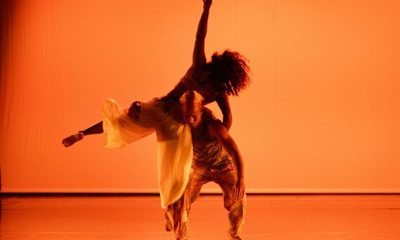
Between The Oceans: How Two Hip-Hop Dancers Carry Ancestral Histories In Their Bodies
-
 Ghana News1 day ago
‘We Need Justice’: Families Demand Accountability After Best Friends from Ghana Die in Wrong-Way Crash in Canada
-

 Commentary8 hours ago
After Trump’s Midterm Defeat, Russia and China will Encounter a Cooler US
-
 Ghana News8 hours ago
In Ghana, ECOWAS Renews Counter-Terrorism Envoy’s Mandate Amid Rising Regional Threats
-

 Fashion & Style15 hours ago
Accra Fashion Week Plans Buyer-Distribution System To Turn African Designers Into Commercial Success Stories
-
 Reels & Social Media Highlights29 minutes ago
A Fake ₵38 Note, a Deadly Blaze, and Don Little’s Police Run-In: Ghana’s Social Media Mood