
Health & Wellness
Women Over 40: Why Getting Healthier Matters More Than Losing Weight Quickly

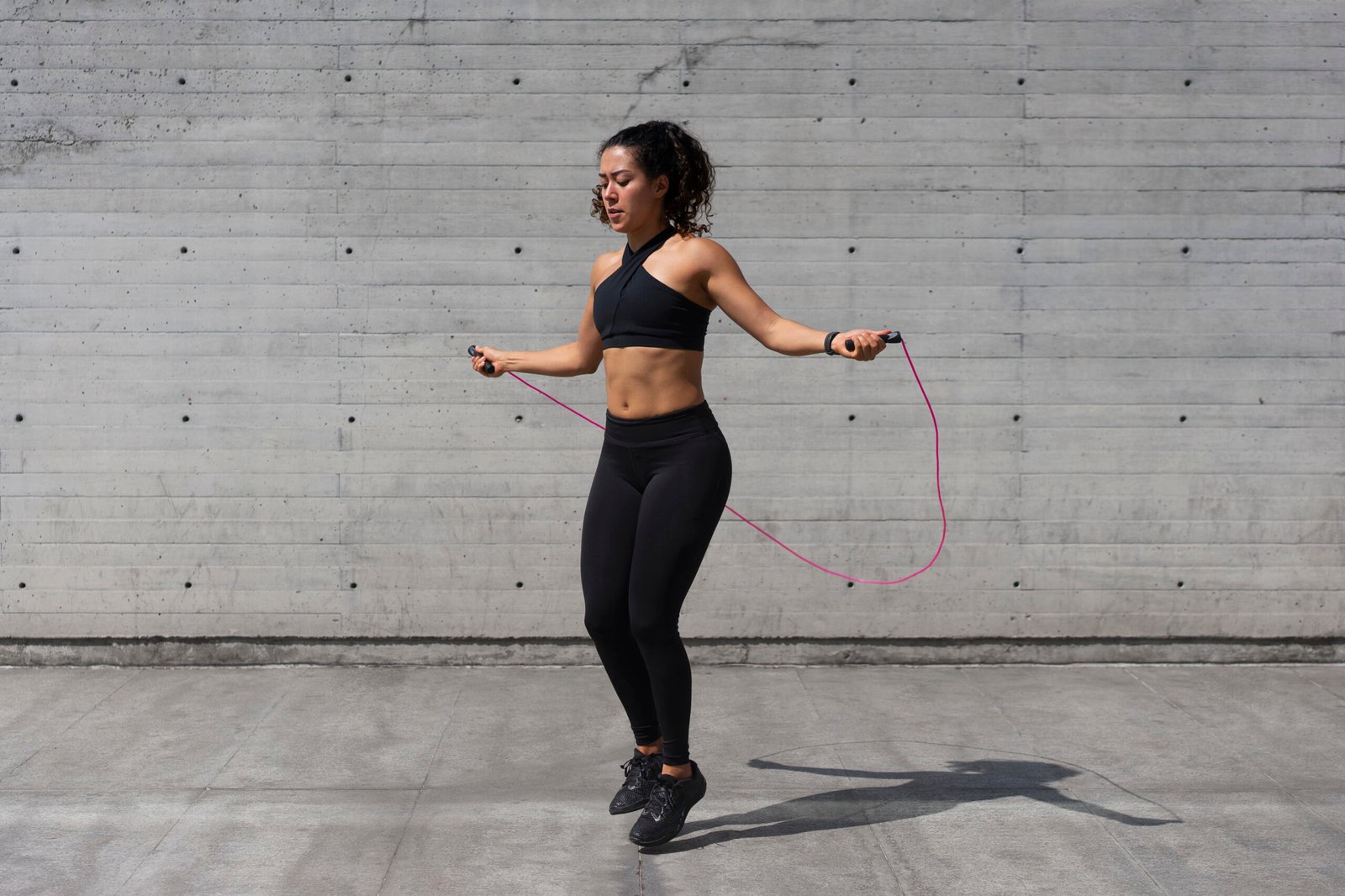
If you are a woman in your 40s, the diet that helped you lose weight at 25 may no longer be the answer.
Skipping meals, eating very little and exhausting yourself with exercise can leave you feeling drained rather than healthier. Midlife is not the time to fight your body; it is the time to understand what it needs.
Protect Your Muscles, Strengthen Your Body
One important change during midlife is the gradual loss of muscle mass, a process that can accelerate with age and inactivity.
Around perimenopause and menopause, hormonal changes may also affect body composition, sleep and where fat accumulates.
Strength training can help women preserve muscle, maintain bone health and remain physically capable. Exercises such as squats, resistance-band movements, lifting dumbbells or carrying manageable weights can make a difference when practised consistently. Beginners should start at a comfortable level and increase the challenge gradually.
Nutrition matters just as much. Protein-rich foods such as eggs, fish, beans, chicken and yoghurt support muscle maintenance, while vegetables provide essential vitamins, minerals and fibre. Meals do not need to be restrictive or expensive to be nourishing.
Sleep and Stress Are Part of the Plan
A demanding job, family responsibilities and night-time hot flashes can make good sleep difficult. Yet inadequate rest can affect appetite, mood, energy and recovery. A consistent bedtime, a calming evening routine and regular physical activity may help improve sleep quality.
Managing stress also matters. Walking, stretching and making time to unwind can support a sustainable fitness routine.
Progress Without Punishment
Weight loss may still be a reasonable goal, but rapid results should not come at the expense of strength, energy or wellbeing. Focus on habits you can maintain: balanced meals, regular movement, resistance exercise and adequate rest.
Your 40s are not a deadline for getting fit. They are an opportunity to build a stronger body for the years ahead.









What if the number on your bathroom scale stayed the same, yet your clothes fitted better and your body felt stronger?
This can happen when you build muscle while losing fat, a process known as body recomposition. Although possible, it depends on your training history, body composition and daily habits.
Who Benefits Most?
Beginners often experience the most noticeable changes. During the first few years of consistent resistance training, the body can respond remarkably well to new challenges, building muscle while using stored fat for energy.
People returning to exercise after a lengthy break may also regain muscle relatively quickly. This is partly because previously developed muscle can be restored more readily than entirely new muscle is built.
For people carrying excess body fat, the body has energy reserves that can support training and recovery. However, having more stored fat does not automatically guarantee simultaneous fat loss and muscle growth. Nutrition, exercise quality and consistency still matter.
Small Habits, Lasting Results
Across Ghana, strength training does not have to mean expensive gym memberships or elaborate equipment. Squats, push-ups, resistance bands and exercises using dumbbells can provide a useful starting point at home or in a local fitness centre.
Eating enough protein from foods such as eggs, beans, fish, chicken and yoghurt supports muscle repair. A balanced diet, adequate sleep and progressively challenging workouts also help the body adapt.
Avoid judging progress solely by weight. Measurements, clothing fit, improved strength and progress photographs can reveal changes the scale misses.
The real goal is not simply to weigh less, but to become stronger and healthier. Whether you are starting out or returning after a break, consistent training and realistic expectations can make body recomposition a worthwhile pursuit.

Four common habits that undermine long-term progress, and how small, consistent changes can help you maintain a healthier weight.
You lose a kilogram in your first week and immediately want to lose two the next. You cut out sugar, promise to exercise every day and overhaul every meal.
For a while, everything feels possible. Then life gets busy, hunger sets in, motivation fades, and the old habits return.
For many people, the problem is not a lack of discipline. It is a weight-loss approach that demands too much, too soon.
The Trap of Wanting Results Quickly
One common mistake is treating weight loss like a short-term project. People often expect to reach their target weight and then return to their previous lifestyle.
Yet maintaining weight loss requires habits that can continue long after the initial goal is reached.
Unrealistic expectations can also encourage excessive food restriction and punishing exercise routines. These approaches may leave people exhausted, hungry and frustrated, making consistency harder to sustain.
A slower approach is often more practical. Instead of changing everything overnight, begin with manageable adjustments: include protein and vegetables in meals, reduce frequent sugary drinks, walk regularly and establish a consistent sleep routine.
Give Your Habits Time to Work
Another obstacle is constantly switching plans. One week brings intermittent fasting, the next a strict low-carbohydrate diet, followed by an intense workout challenge. Frequent changes make it difficult to discover which habits are effective and sustainable.
Progress also varies from person to person. Body weight can fluctuate because of water retention, hormones, digestion and other factors, so daily changes do not always reflect changes in body fat.
Think Beyond the Target Weight
Lasting progress comes from building a lifestyle you can live with, not surviving a routine you cannot wait to escape.
Whether you are navigating busy workdays in Accra or balancing family responsibilities elsewhere, remember this: you do not need to be perfect to make progress. You need habits you can repeat.

Four-minute bursts of effort could help you build cardiovascular fitness without spending hours on the treadmill.
What if four minutes of hard running could do more for your stamina than a long, comfortable jog? That is the thinking behind the Norwegian 4×4, an interval-training method designed to challenge the heart and lungs in a surprisingly structured way.
Why Four Minutes Matters
The workout alternates four minutes of vigorous exercise with three minutes of easier movement. After warming up for five to ten minutes, you complete four rounds of hard running, cycling or another suitable aerobic activity, each followed by three minutes of active recovery. Finish with a gentle cooldown.
The demanding intervals are generally performed at around 80–95 per cent of maximum heart rate.
For beginners, however, starting at a more manageable intensity is sensible. The goal is to work hard while remaining in control, not to push yourself to exhaustion.
Building a Stronger Cardiovascular Engine
One important measure of aerobic fitness is VO₂ max, which describes how efficiently the body uses oxygen during exercise.
A higher VO₂ max generally reflects better cardiorespiratory fitness, and interval training can help improve it over time.
This matters beyond running faster. Better cardiovascular fitness can make everyday activities, from climbing stairs to walking uphill, feel less exhausting.
For busy workers in Accra or anyone juggling family responsibilities, structured intervals may offer an efficient alternative to longer workouts.
Still, results depend on consistency, starting fitness and recovery; improvement is not guaranteed after a fixed number of weeks.
Start at Your Own Pace
If you are new to exercise, begin with brisk walking and gradually build your capacity.
People with cardiovascular conditions or concerning symptoms should seek medical advice before attempting vigorous intervals.
The lesson is simple: train with purpose, progress gradually, and let consistency—not exhaustion—drive your fitness journey.


Tubani: The Simple Bean Delicacy Bringing Big Flavour to the Table

Women Over 40: Why Getting Healthier Matters More Than Losing Weight Quickly

Kehinde Faoziyat Abiona: Reimagining African Fashion Through Colour, Form and Identity
-

 Sights and Sounds2 days ago
Where Accra Finds Its Rhythm: Inside the Live Music World of +233 Jazz Bar & Grill
-

 Homes & Real Estate2 days ago
Building on a Budget: How Modern Construction Methods Could Cut Housing Costs in Ghana
-

 Arts and GH Heritage1 day ago
Where Sacred Groves Meet Contemporary Art: Rethinking Humanity’s Bond with Nature
-
 Festivals & Events2 days ago
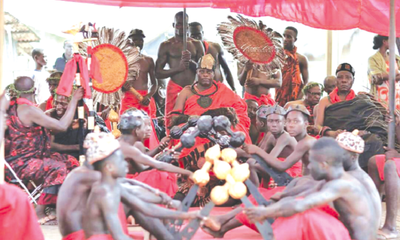
Kundum Festival: Ghana’s Western Coast Celebrates Harvest, Heritage and Renewal
-

 Health & Wellness16 hours ago
Build Muscle and Lose Fat Together: Who Can Benefit Most?
-

 Reels & Social Media Highlights17 hours ago
Ghana’s Digital Pulse: A Thursday of Regret, Ridicule and Robbery
-
 Fashion & Style15 hours ago
Kehinde Faoziyat Abiona: Reimagining African Fashion Through Colour, Form and Identity
-

 Festivals & Events1 day ago
Films, Politics and Place: AFI Opens a New Window on Ghana’s Story