
Taste GH
Oto: Ghana’s Beloved Yam and Egg Dish with a Nutritious Twist

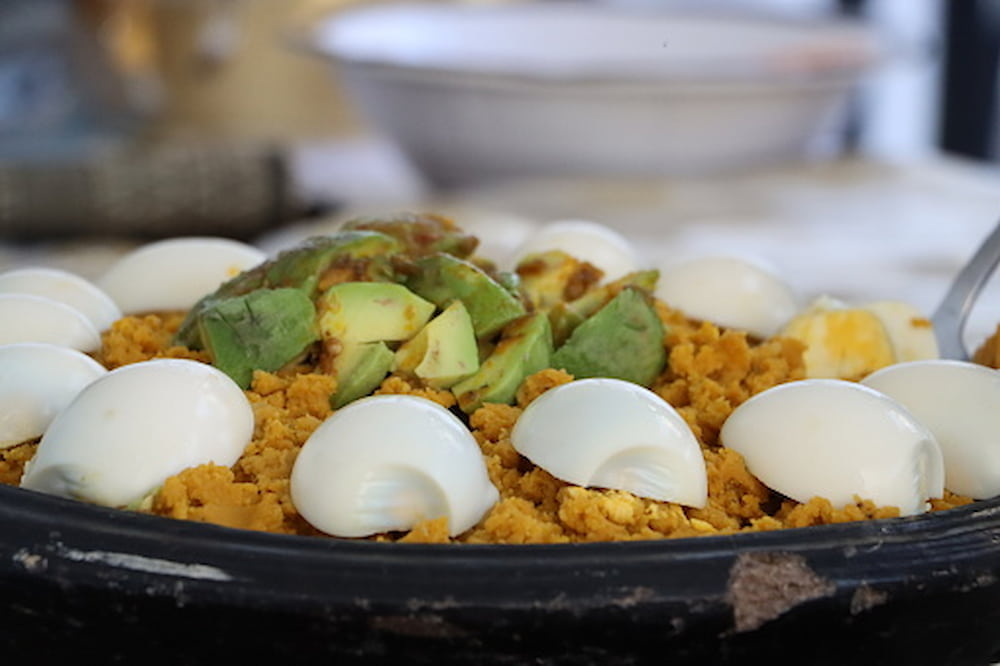
Soft, golden and richly scented with palm oil, Oto is one of those Ghanaian dishes that brings comfort to the table while connecting food with tradition.
Made primarily from boiled yam mashed with palm oil and served with boiled eggs, this simple yet satisfying dish is especially familiar during important family occasions and traditional celebrations.
Oto’s appeal lies in its uncomplicated ingredients and distinctive flavour. The yam provides a soft, filling base, while palm oil lends its characteristic colour, earthy aroma and richness.

Boiled eggs add a contrasting texture and make the meal more substantial. Depending on personal preference and preparation, seasonings can introduce extra warmth and depth.
A Nourishing Taste of Ghana
Beyond its cultural significance, Oto offers nutritional benefits from its core ingredients. Yam supplies carbohydrates, which the body uses for energy, alongside fibre, potassium and other nutrients. Its fibre content can support healthy digestion as part of a balanced diet.
Eggs contribute high-quality protein, which helps the body maintain and repair muscles and other tissues.
They also provide nutrients such as vitamin B12 and choline, which support normal bodily functions.
Palm oil contains vitamin E compounds and carotenoids, including beta-carotene in red palm oil, which have antioxidant properties. However, it is also rich in saturated fat, so the quantity used matters. Enjoying Oto with a moderate amount of oil can help balance flavour and nutritional considerations.
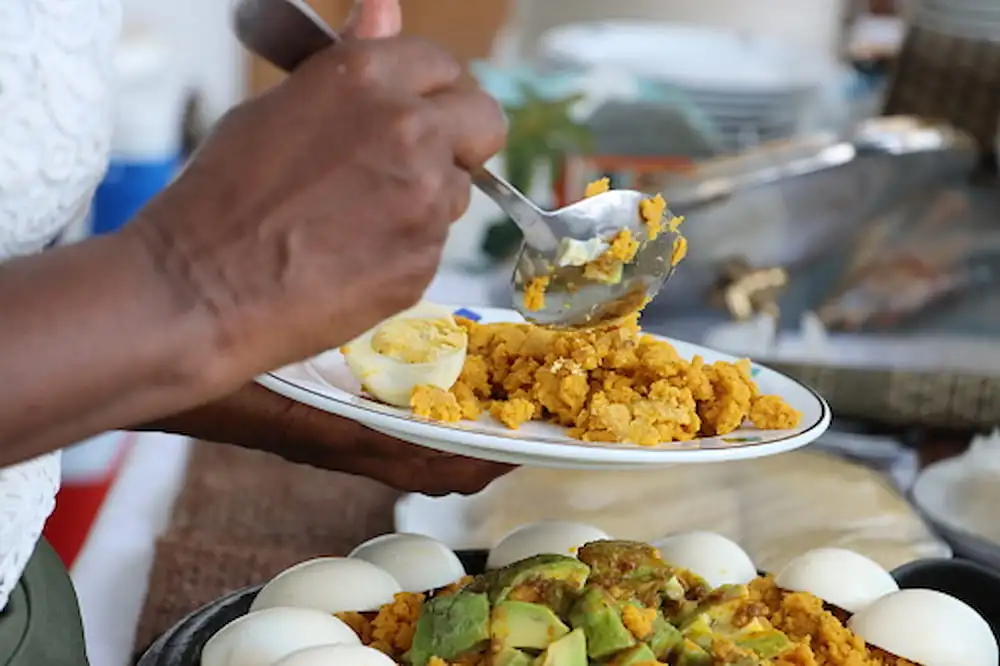
Spices and herbs, when included, may contribute additional flavour and beneficial plant compounds.
Ghana has a long tradition of using local plants for culinary and medicinal purposes, although their health effects depend on the specific ingredient and how it is used.
A Dish Rooted in Tradition
Oto demonstrates how familiar ingredients can create food that is both nourishing and meaningful.
Whether served during a special occasion or enjoyed as a comforting meal, it remains a delicious expression of Ghanaian food culture, bringing together flavour, nourishment and tradition in every spoonful.







From a steaming bowl of fufu and soup to the irresistible aroma of kelewele fresh from the frying pan, Ghanaian food offers more than comfort and flavour.
When balanced well, it can also provide many of the nutrients the body needs to thrive.
Traditional Ghanaian cuisine draws heavily on natural ingredients, including yam, plantain, beans, fish, groundnuts and leafy vegetables.
These foods supply energy, protein, fibre, vitamins and minerals. Kontomire stew, okro soup and garden eggs bring colour and nutrients to the table, while fish and legumes offer protein.
Spices and seasonings give dishes their distinctive character, making everyday meals deeply satisfying.
Waakye, the much-loved combination of rice and beans, illustrates this potential. Paired with vegetables, fish or eggs, it can provide a satisfying mix of carbohydrates, protein and fibre.
Yet the nutritional value depends on portion sizes and the amount of oil, salt and rich accompaniments added.
When Tradition Needs Balance
Palm oil gives dishes such as red red their familiar colour and taste. It also contains vitamin E and carotenoids, which the body can convert into vitamin A. However, it is high in saturated fat, so using moderate amounts and avoiding repeated overheating are sensible choices.
Portion sizes matter, too. Meals dominated by large servings of fufu, banku, rice or yam, with little vegetables or protein, may make it harder to maintain a balanced diet over time.
Meanwhile, instant noodles, sugary drinks and heavily processed snacks are increasingly competing with home-cooked meals. Frequent consumption can contribute to excessive sugar, salt and calorie intake.
Keeping Ghanaian Food Healthy
The answer is not to abandon beloved local dishes, but to prepare and serve them thoughtfully.
Enjoy reasonable portions of starchy staples, add generous vegetables, include beans, fish or other protein sources, and use oil and salt sparingly.
Ghanaian food can be both delicious and nourishing. The secret lies in balance, variety and preserving the best of local cooking while making choices that support long-term health.
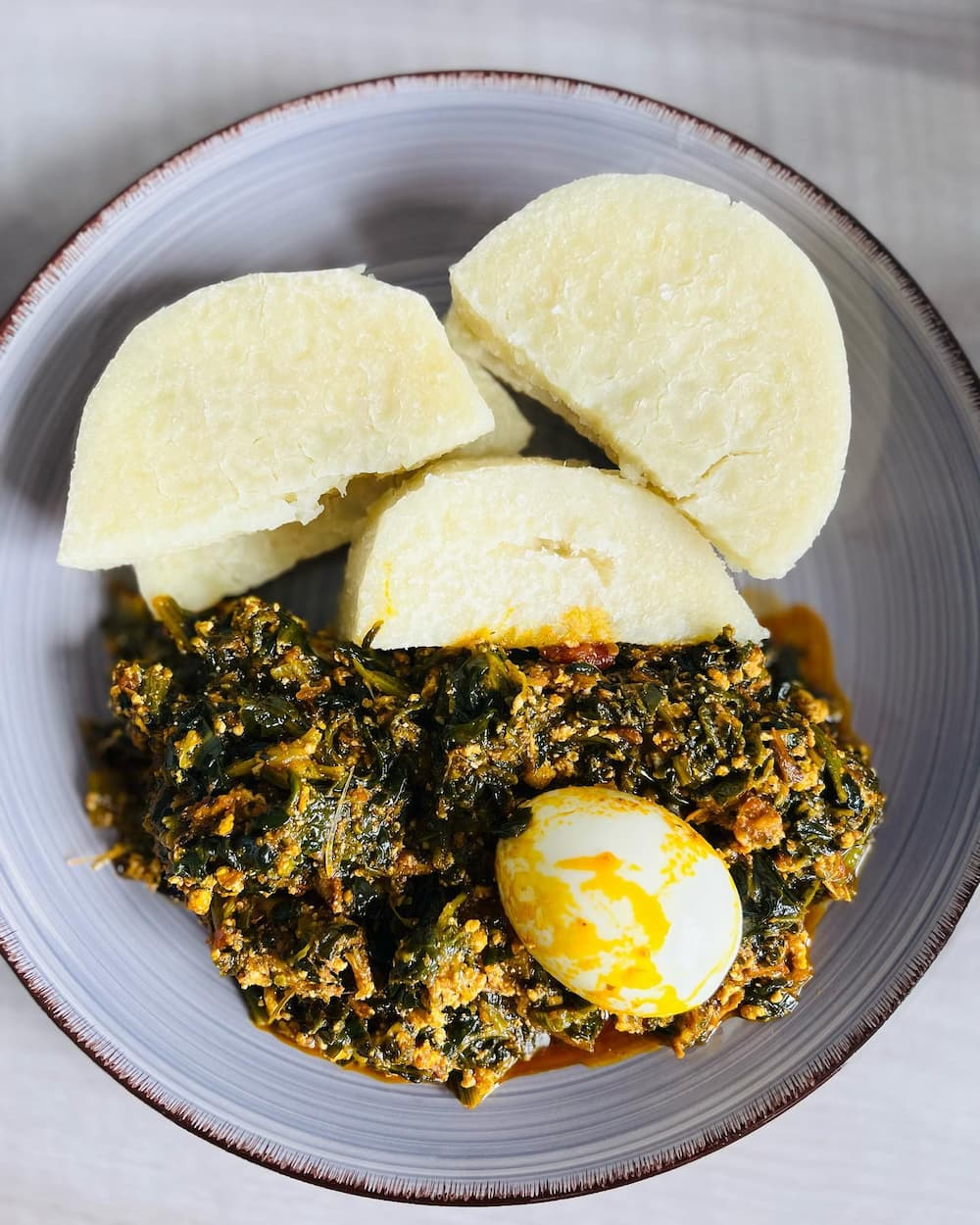
Few dishes capture the warmth of a Ghanaian home quite like a pot of leafy green stew simmering on the stove, filling the kitchen with the aroma of tomatoes, spices and familiar ingredients.
Kontomire stew and Palawa stew are two beloved Ghanaian dishes that turn humble leaves into deeply satisfying meals, while okro stew offers another local favourite with its distinctive texture and flavour.
Kontomire stew takes its name from kontomire, the Ghanaian term for cocoyam leaves. These leafy greens are cooked with tomatoes, onions, pepper and other seasonings, often with egusi — ground melon seeds that add richness and a slightly nutty taste.
Depending on the household, ingredients such as smoked fish, salted fish or eggs may also find their way into the pot, creating a hearty stew packed with flavour.
Served with boiled yam, plantain, rice or cocoyam, kontomire stew is a familiar presence on Ghanaian dining tables. Its earthy taste, gentle bitterness and rich texture make it especially comforting.
Palawa stew, which shares similarities with kontomire stew, brings its own character to the plate. Alongside cocoyam leaves, cooks may use spinach and amaranth leaves, also known as callaloo in some Caribbean cuisines. Egusi can be added for extra body and flavour. The combination produces a nourishing, leafy stew whose precise ingredients often depend on family traditions and what is available locally.
Then there is okro stew, made with okra, a vegetable known for releasing a natural substance that gives the dish its characteristic thick, slightly slippery texture. Often prepared with tomatoes, pepper, fish or meat, it is enjoyed with banku, kenkey or other Ghanaian staples.
Beyond their comforting flavours, these stews provide leafy vegetables or okra, contributing fibre, vitamins and minerals to everyday meals.
Whether it is the earthy richness of kontomire, the leafy goodness of Palawa or the unmistakable texture of okro, these dishes celebrate Ghanaian cooking at its most resourceful, nourishing and delicious.
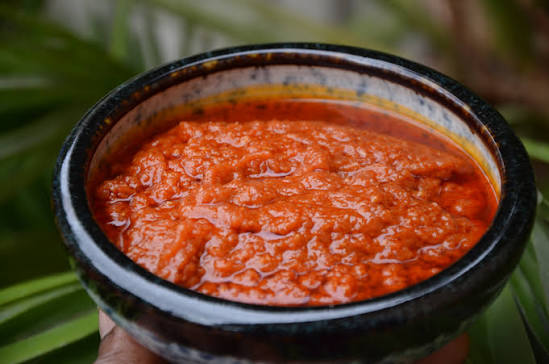
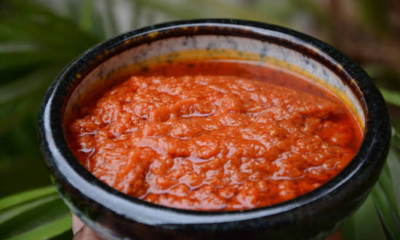
Few dishes capture the warmth of a Ghanaian kitchen quite like tomato stew — a deeply savoury, gently sweet sauce where ripe tomatoes, caramelised onions, spices and oil come together in a pot full of comfort.
For many Ghanaians, tomato stew is more than a sauce. It is the foundation for countless familiar meals, spooned generously over rice, boiled yam, fried plantain, potatoes and other everyday favourites. Its bold red colour and rich aroma can turn a simple plate into something memorable.
The secret starts with the oil. A neutral oil that can withstand heat helps draw out the flavours of ground spices while giving the onions room to caramelise properly.
Then comes the onion — one of the quiet stars of the dish. As it cooks, its complex carbohydrates break down into simpler sugars, bringing natural sweetness. The heat also encourages the Maillard reaction, creating flavour compounds that give the stew its characteristic depth.
Tomatoes provide the bright, slightly acidic heart of the sauce. Roma or Italian tomatoes are a good choice because they tend to be less acidic and naturally sweet.
When fresh tomatoes are out of season, canned tomatoes can work beautifully too. If the tomatoes are particularly sour, a tiny pinch of baking soda can help soften the acidity.
And then there are the spices: cloves, anise seeds, calabash nutmeg and other warm aromatics that give Ghanaian cooking its unmistakable fragrance.
It is this balance of sweetness, savouriness, spice and acidity that makes Ghanaian tomato stew so beloved — and well worth discovering.


Dressing for Your Shape: How Strategic Styling Can Transform Everyday Fashion

The Scale Can Lie: Why Lifting Weights May Help You Lose More Fat

Ghana’s Timeline Erupts: Showboy’s Crude Plea, Asantewaa’s Silence, and a Nation Divided
-

 Ghana News11 hours ago
OBITUARY: Gamal Gorkeh Nkrumah, Son of Ghana’s Founding President, Dies in Cairo
-

 Festivals & Events2 days ago
LALID LIVE 2026: An Evening of Entertainment and Connection in Accra
-

 Sights and Sounds1 day ago
EPP BookShop at Legon: A Destination for Students, Families and Book Lovers
-

 Health & Wellness13 hours ago
Walking Is More Than Exercise: Small Steps That Can Transform Your Health
-

 Festivals & Events9 hours ago
MaddFest 2027: Welcome the New Year with a Night of Celebration in Accra
-
 Taste GH2 days ago
From Waakye to Fufu: How to Enjoy Ghanaian Food and Eat Well
-

 Homes & Real Estate1 day ago
Building Smarter in Ghana: Could Plastic Rebar Clips Improve Construction Efficiency?
-

 Arts and GH Heritage14 hours ago
Inside Togo’s Abandoned Colonial Building, African Artists Reclaim Cultural Memory