
Fashion & Style
Beyond Body-Hugging Fashion: The Wardrobe Pieces That Redefine Silhouette

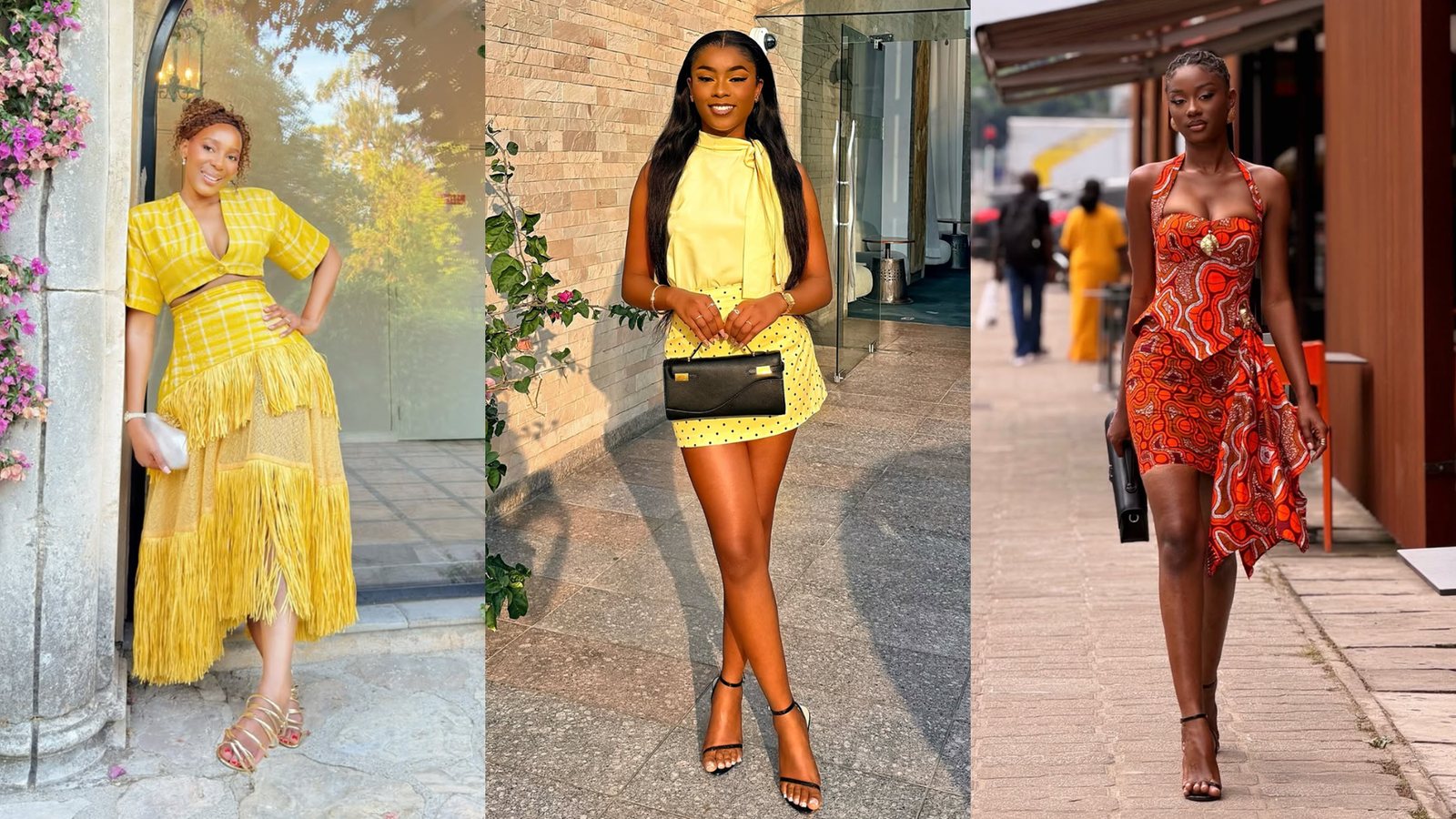
Fashion does not always have to be about making the body fit the clothes. Sometimes, the smarter style move is choosing clothes that work with the body you already have.
That idea is at the heart of a growing conversation around dressing for fuller midsections, with three wardrobe staples standing out: the peplum top, shift dress and ruched or draped dress.
The peplum, in particular, is getting a fresh styling lesson. Rather than choosing a design where the flare begins directly across the stomach, the recommendation is to look for a silhouette that starts just beneath the bust.
The result is a softer line across the midsection, while the extra volume around the hips creates visual balance.
It is a styling approach that can work especially well within Ghana’s fashion scene, where tailored silhouettes, bold prints and carefully constructed garments have long been central to women’s dressing.
A well-cut peplum can easily move from an office look to a social event when paired with the right fabric and accessories.
Then comes the shift dress, whose looser construction creates structure without closely following the stomach.
Its appeal is simplicity: rather than constantly adjusting a garment that clings, the wearer gets a clean silhouette with room to move.
Ruching and draping offer another option. Gathered fabric around the stomach or hips introduces texture while breaking up the visual line of the body.
The bigger style lesson is simple: flattering fashion does not have to mean hiding. Sometimes, confidence comes from understanding proportion and choosing clothes that let your shape exist comfortably—and stylishly—on its own terms.








Before a designer cuts the first piece of fabric or a model steps onto a runway, there is a longer story — one involving fibres, makers, manufacturers, traditional techniques and materials.
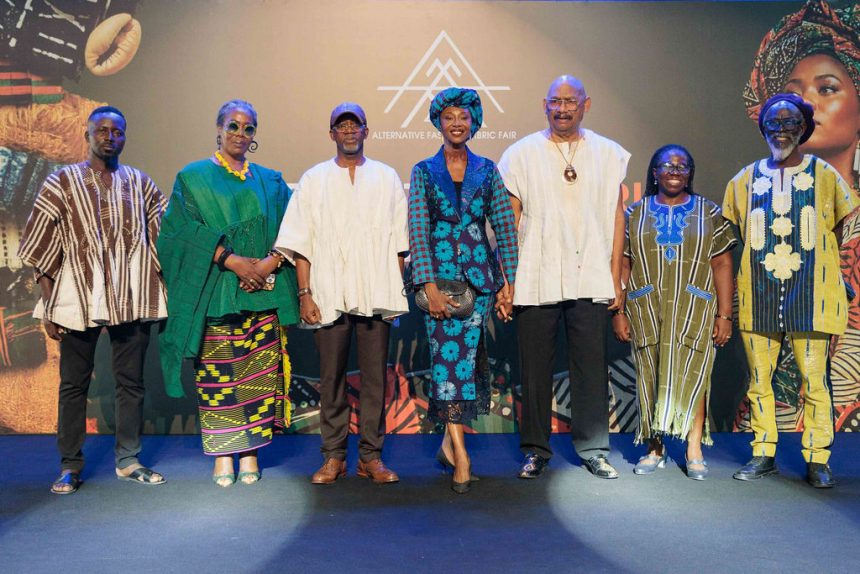
That often-unseen story took centre stage in Accra on September 19 as the inaugural Alternative Fashion Fabric Fair (Alt.FFF) launched at the Palms Convention Centre.
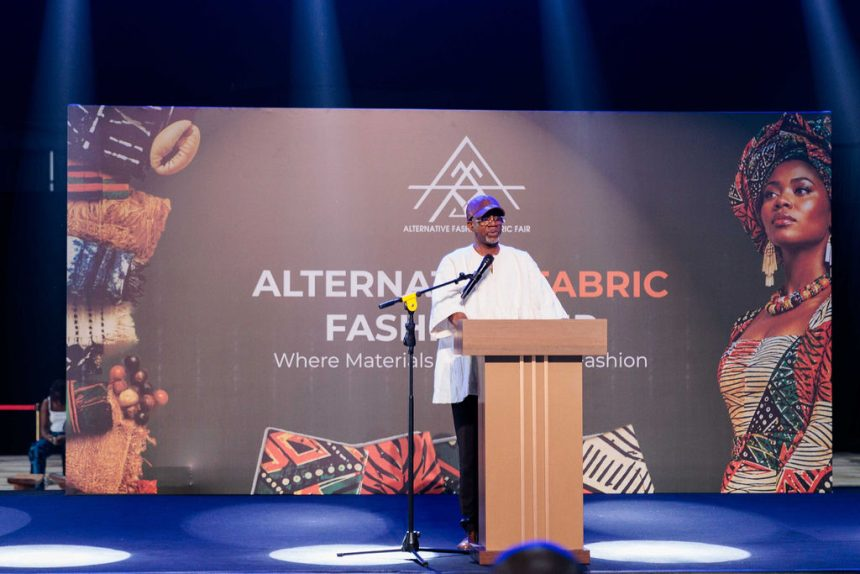
Looking Beyond the Finished Look
Held under the theme “Where Materials Speak Before Fashion,” Alt.FFF shifted attention away from finished clothing and towards the infrastructure behind Africa’s fashion industry.
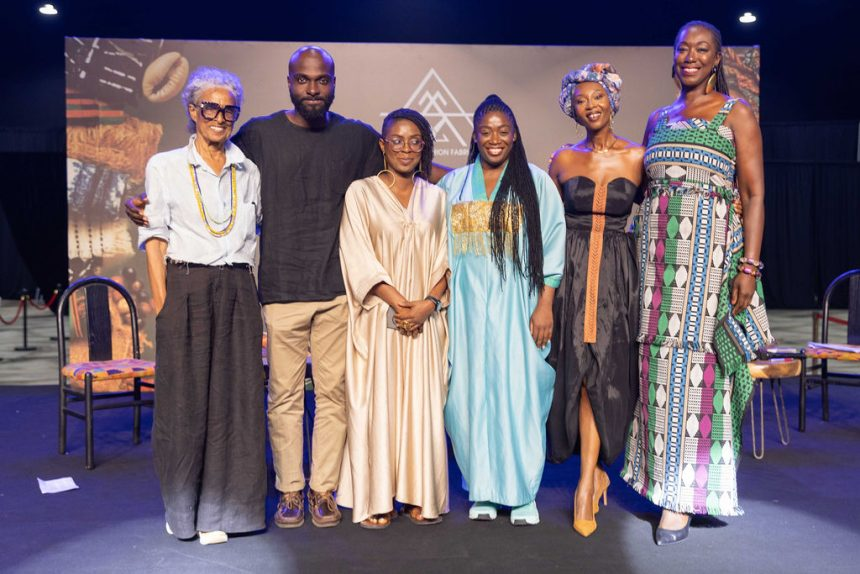
The fair brought together designers, artisans, manufacturers, material innovators and creative businesses, giving visitors the chance to explore everything from fabrics and natural materials to manufacturing processes and sustainability.
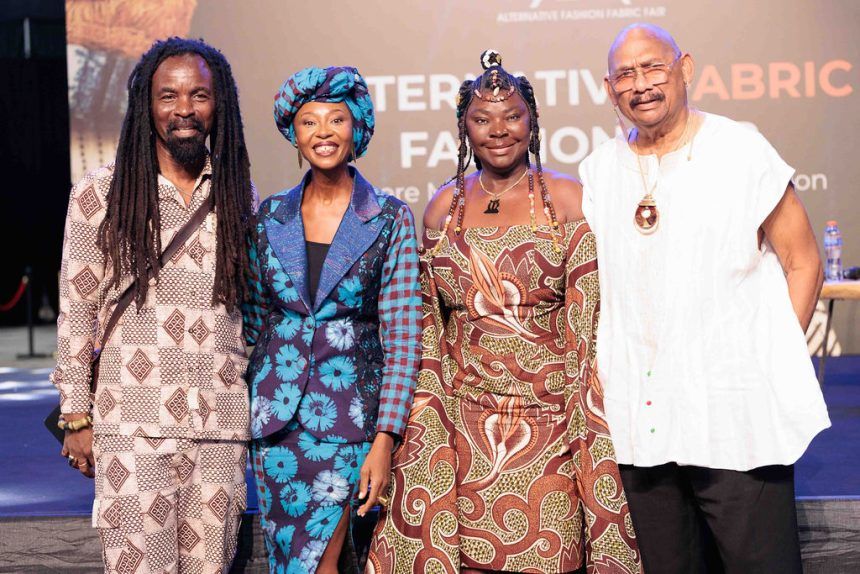
Its exhibition space featured a Sustainability Zone, Furniture Zone, Green Artist Area, Experience Hall, Moving Loom Dark Room and Workshop Area.
A special presentation of garments by legendary Ghanaian designer Kofi Ansah also connected contemporary fashion with the country’s creative heritage.
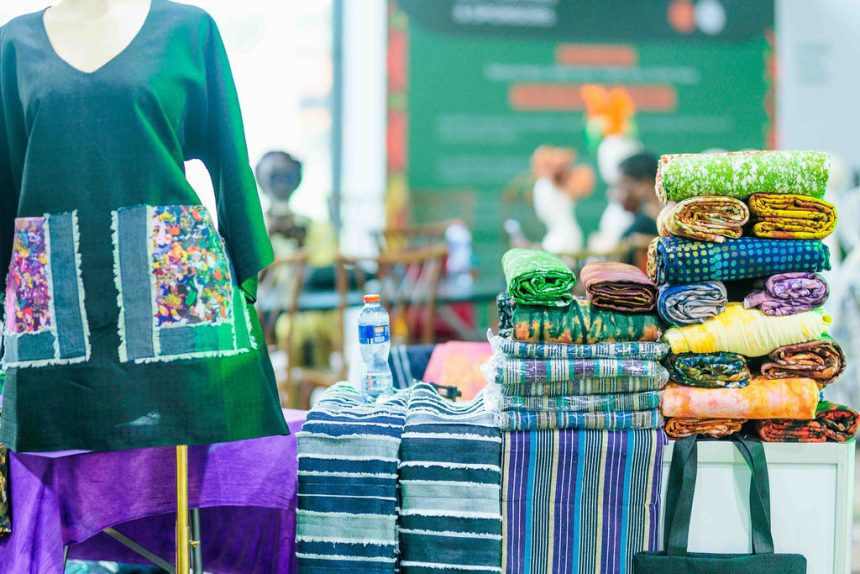
Building an African Fashion Economy
The conversations were just as important as the displays. A panel on intra-African trade and cross-border opportunities examined how producers, manufacturers and creative businesses can build stronger links across the continent.
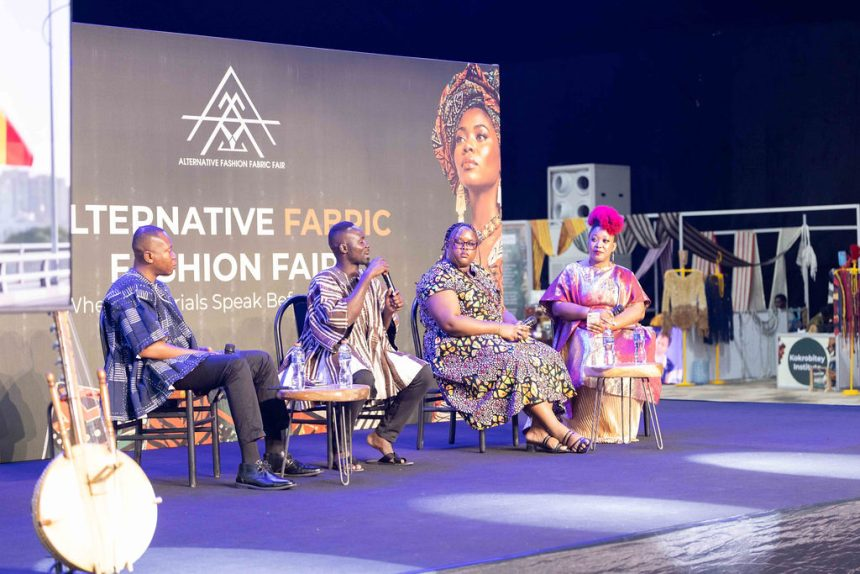
Another session, “The Future Session – The Next Market: Alt.FFF 2027,” brought together voices from fashion, art, culture, design and creative enterprise to consider where the platform could go next.
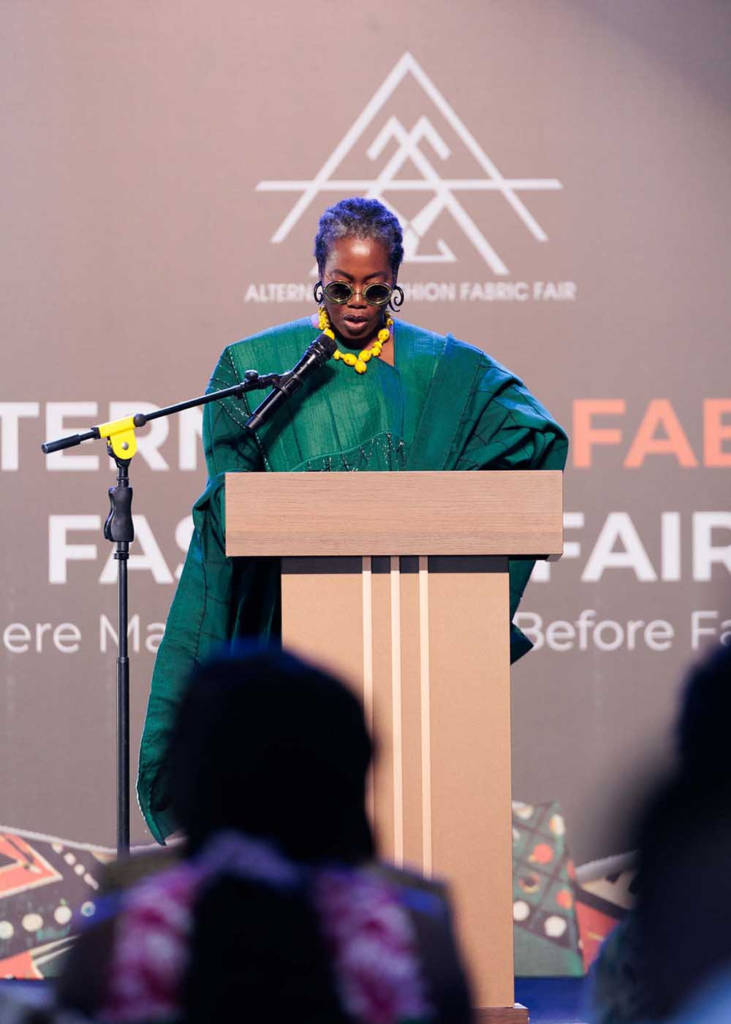
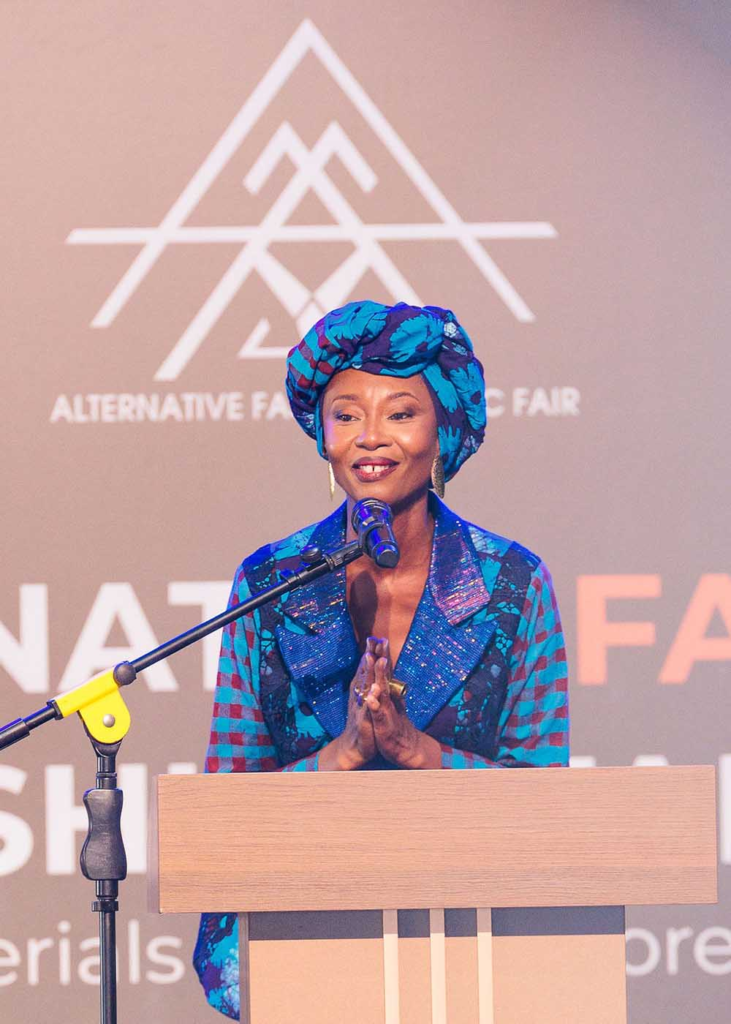
For founder and curator Makeba Nana Boateng, the fair is about making an overlooked part of fashion visible.
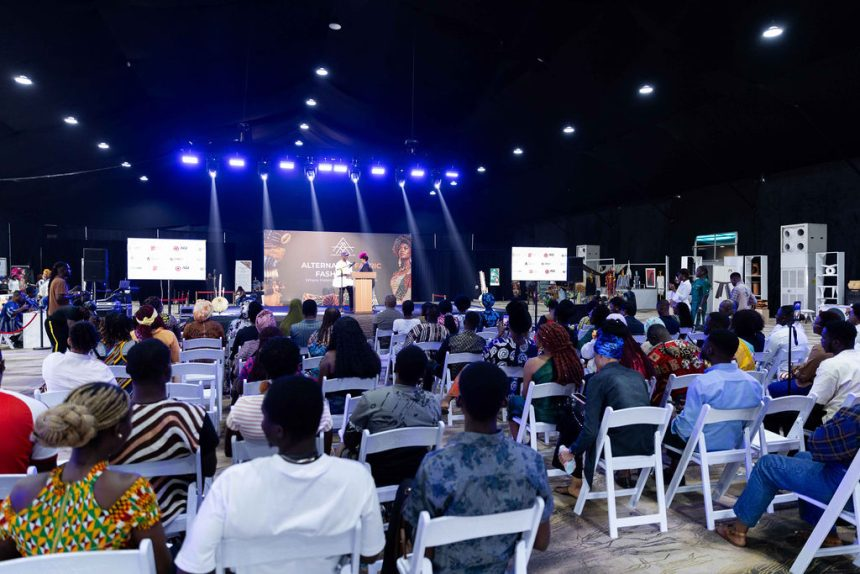
Alt.FFF’s debut suggests that the future of African fashion may not be defined only by what designers put on the runway, but also by the materials, people and industries working behind the scenes to make those designs possible.

An expensive-looking outfit can lose its impact the moment chipped nails, cracked heels or neglected grooming enter the picture.
For a growing number of style-conscious women, looking polished is becoming less about wearing the biggest designer name and more about getting every detail right.
The Luxury of Being Well-Groomed
The idea challenges the familiar belief that an elevated appearance requires a costly wardrobe.
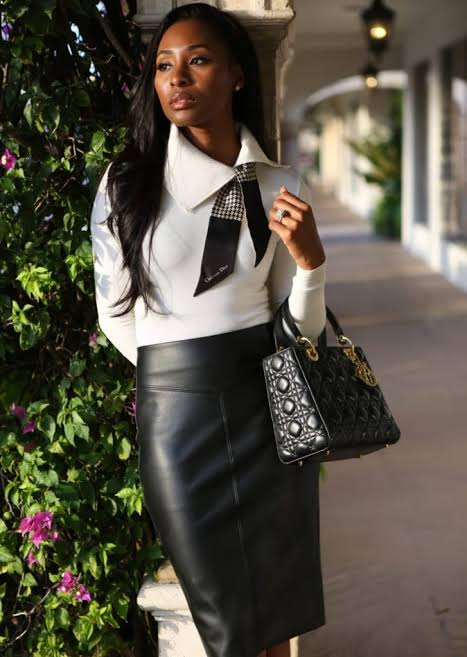
A woman can wear a simple dress, modest jewellery and understated shoes and still command attention if her overall presentation feels intentional.
Nails are one of the first details to consider. Whether someone prefers polished acrylics or natural nails, the emphasis is on keeping them neat and maintained.
A chipped manicure or a broken acrylic can quickly disrupt an otherwise carefully styled look.
Then there are the feet — an often-forgotten part of personal presentation. Dry, ashy skin, cracked heels and neglected toenails can undermine even the most elegant outfit, particularly when sandals or open-toe shoes are involved.
Style Goes Beyond the Wardrobe
This broader approach to fashion is also changing how personal styling is taught. The modern style makeover is no longer simply about finding flattering clothes or building a functional wardrobe. Grooming, hair and beginner-friendly makeup are increasingly part of the conversation.
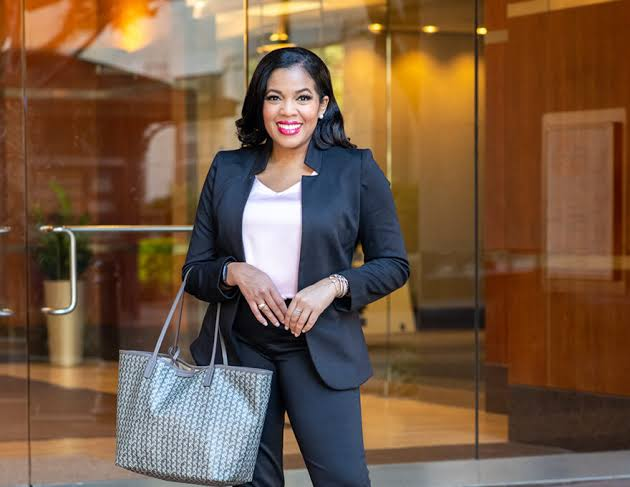
That matters because personal style is ultimately about consistency. Clothing may introduce the look, but the details complete it.
For women navigating Ghana’s increasingly image-conscious fashion scene, the lesson is simple: you don’t always need more clothes to look better. Sometimes, you need more attention to what you’ve already got.
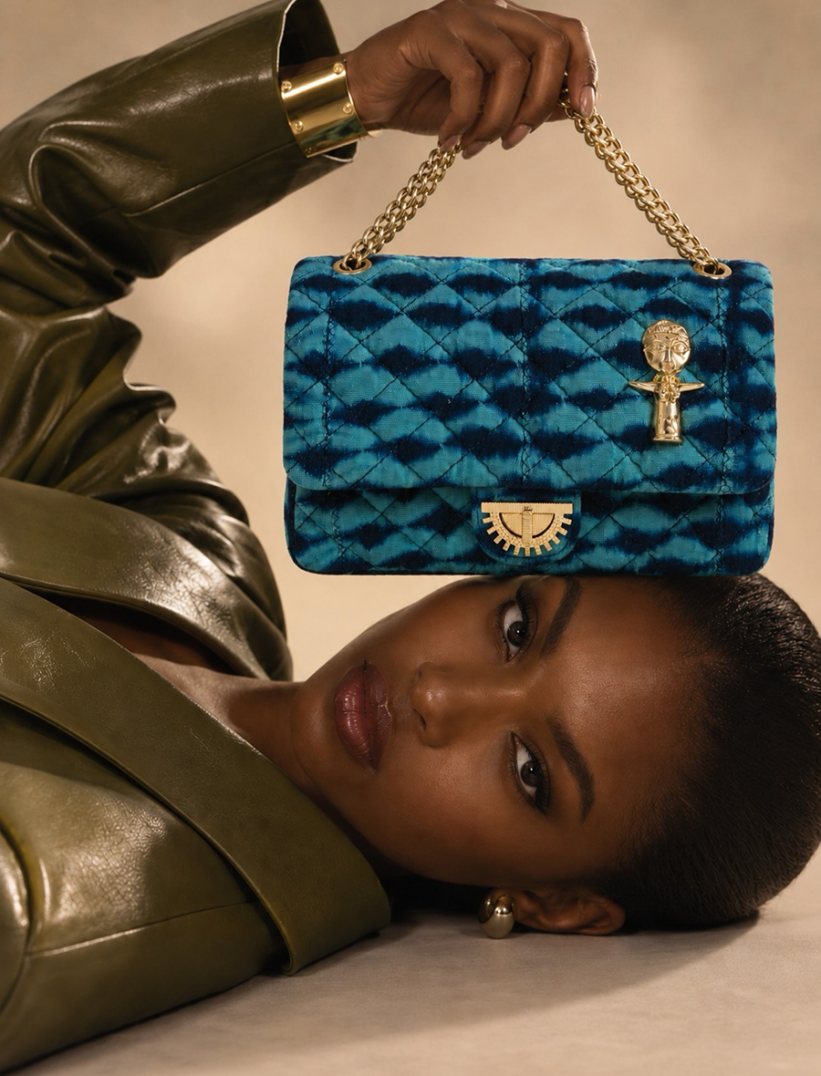
The African handbag is having a statement moment, and these four designs make a strong case for treating the accessory as the main event rather than an afterthought.
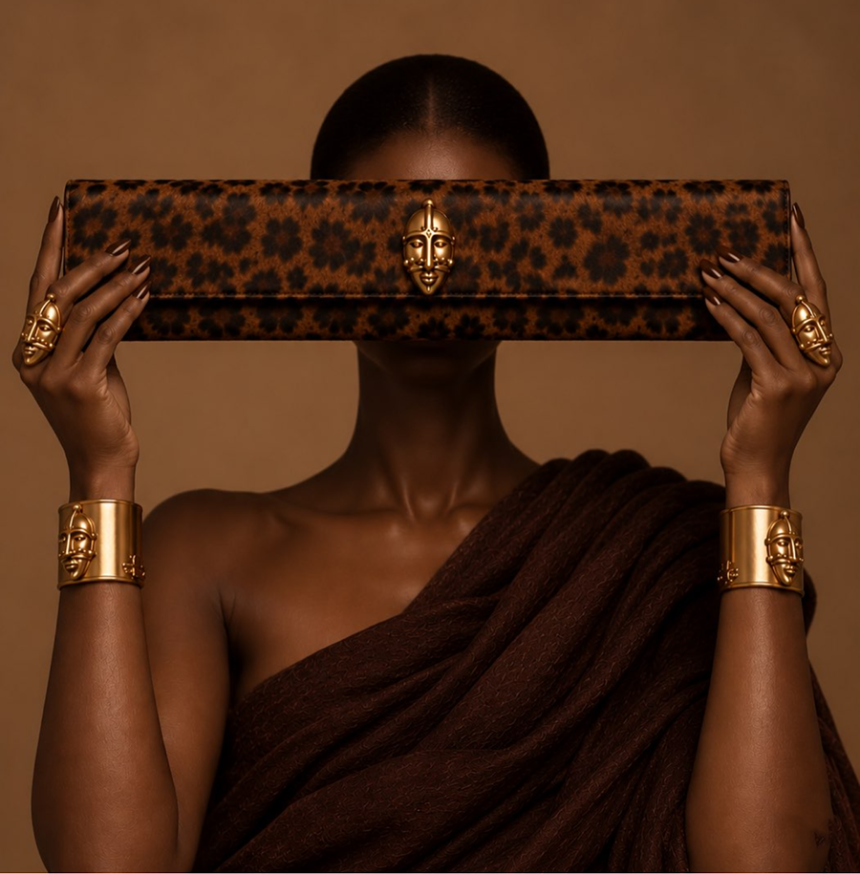
From sculptural clutches to playful knitted pieces, Kazamance, AYA KONAN and HookdByAtsupe are putting texture, craftsmanship and African-inspired design at the centre of contemporary styling.
The standout is the Kulture Bag by Kazamance, a dramatic rectangular clutch with a rich brown patterned finish and metallic face detail that gives it the presence of jewellery.
Priced at roughly $600–$760, depending on the version, the luxury piece has already appeared on fashion personality Olandria, adding celebrity visibility to its growing appeal.
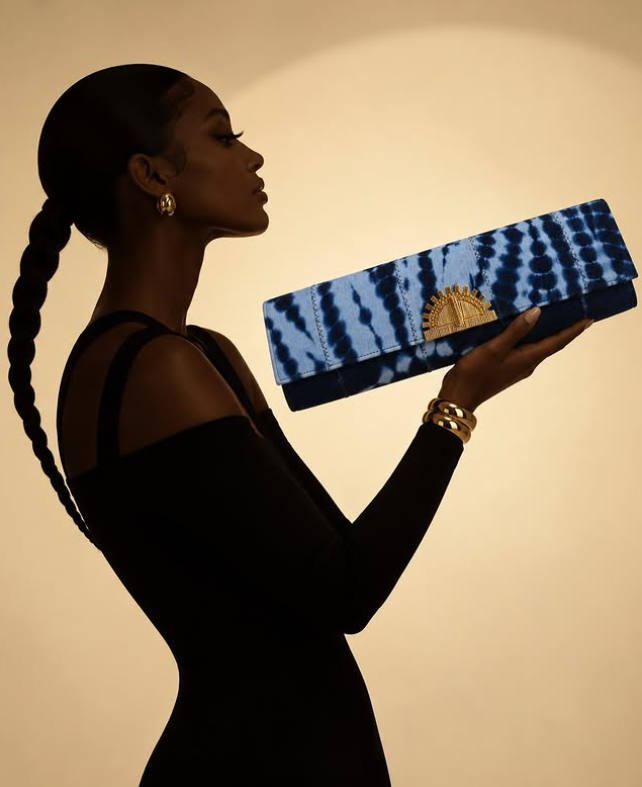
AYA KONAN takes a more refined route with the AKAN CHAÎNE, a compact blue statement bag featuring gold embellishment and a chain strap. Its sculptural shape and decorative front make it less of a functional accessory and more of a finishing piece designed to command attention.
The LA POCHETTE AKAN, also by AYA KONAN, carries the same blue patterned language into a sleek envelope-style clutch.
With its gold hardware, it would sit naturally alongside an evening dress, wedding look or polished fashion-week ensemble.
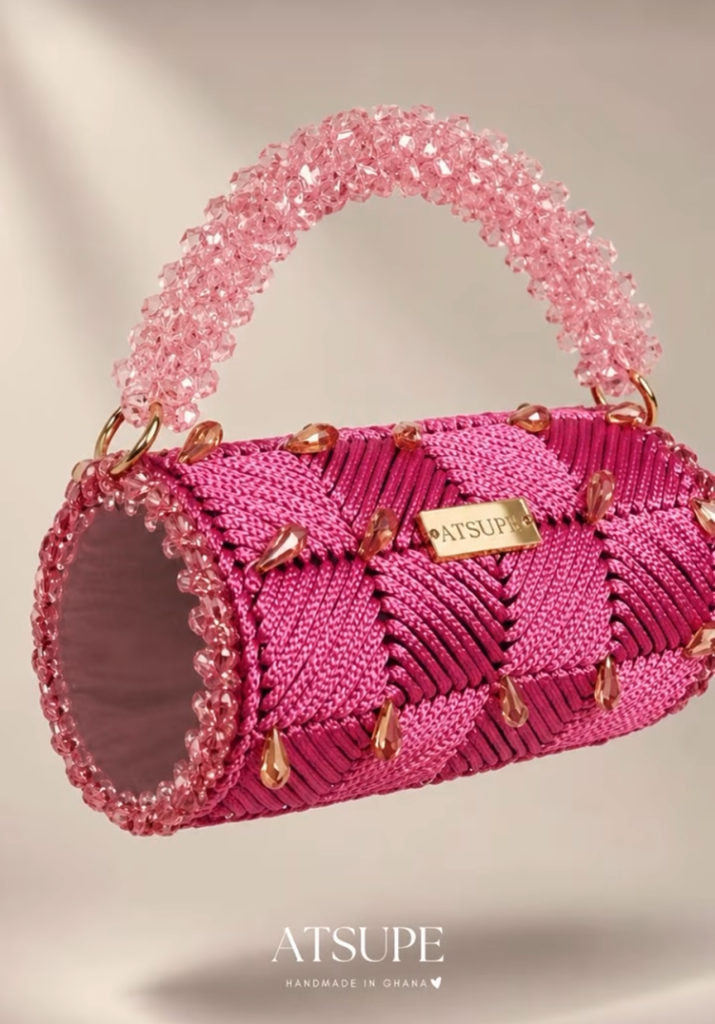
Then comes the playful Aurora Barrel Bag by HookdByAtsupe. Knitted in layers of pink and finished with a crystal-like handle, it brings handmade personality without the luxury price tag. At $55, it offers an accessible entry into statement African-inspired accessories.
Together, the bags point to a wider shift in fashion: African design is not simply supplying prints or references. It is shaping objects with their own identity, craftsmanship and visual authority. These are bags meant to be noticed—and remembered.


Ghana Property & Lifestyle Expo Returns to Accra for a Decade of Opportunities

Ghanaian Tomato Stew: The Rich, Fragrant Sauce Everyone Should Try

Building in Stages? Why Your Concrete Slab Needs Protection Before the Next Floor
-
 Arts and GH Heritage2 days ago
Congo: Capturing Life Beyond War
-

 Health & Wellness1 day ago
Your Body Is Still Working While You Sleep — And Your Sleep May Matter More Than You Think
-

 Sights and Sounds14 hours ago
Looking for a Different Day Out in Accra? Bambo’s Has You Covered
-
 Homes & Real Estate14 hours ago
Building in Stages? Why Your Concrete Slab Needs Protection Before the Next Floor
-
 Taste GH9 hours ago
Ghanaian Tomato Stew: The Rich, Fragrant Sauce Everyone Should Try
-
 Festivals & Events8 hours ago
Ghana Property & Lifestyle Expo Returns to Accra for a Decade of Opportunities