
Festivals & Events
Wilaa Festival: Takpo’s Sacred Day of Gratitude and Protection

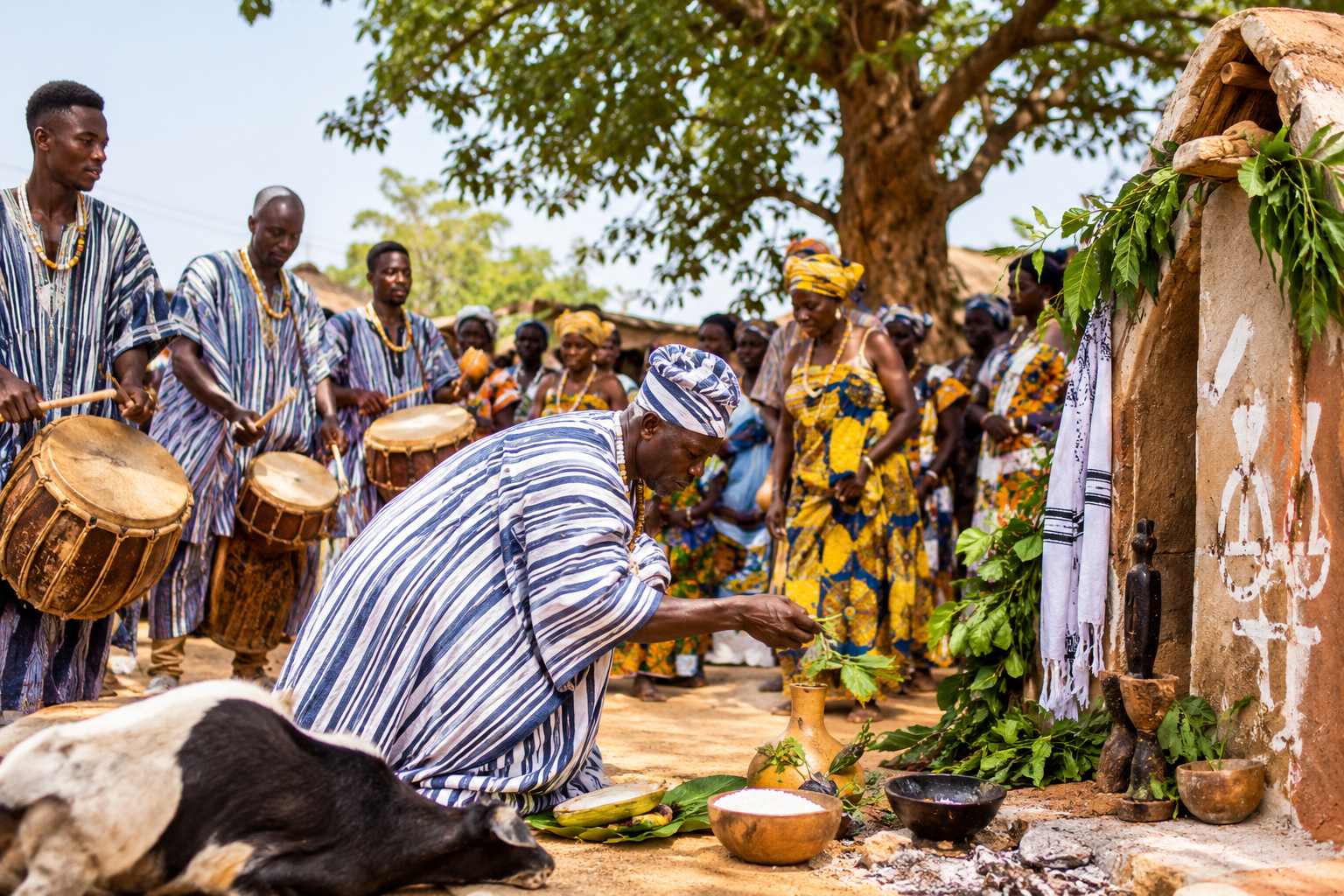
As dawn breaks over Takpo, the quiet landscape of Ghana’s Upper West Region gives way to the steady beat of drums and the gathering footsteps of families making their way towards the Wilaa shrine.
Elders arrive in traditional attire, children weave through the crowd with excitement, and prayers rise with the morning air as the community prepares for one of its most cherished annual traditions.
Held each year on April 27, the Wilaa Festival is a thanksgiving celebration dedicated to the Wilaa shrine, where people express gratitude for guidance, protection, and blessings received throughout the year.
More than a ceremonial gathering, it is a deeply spiritual occasion that reflects the enduring relationship between the people of Takpo and the beliefs passed down through generations.
The shrine stands at the heart of the celebration. Community leaders and custodians perform sacred rites, offering prayers and traditional sacrifices that honour ancestral customs while asking for continued peace, good harvests, and the wellbeing of families.
Around these solemn moments, the festival comes alive with drumming, dancing, storytelling, and joyful reunions as relatives return home to celebrate together.
The festival also strengthens bonds within the community. Younger generations witness customs that might otherwise fade with time, while elders share stories that preserve the identity and history of Takpo.
For visitors, Wilaa offers a rare opportunity to experience a tradition shaped by faith, gratitude, and collective memory rather than spectacle alone. It reveals a side of Ghana where culture is lived as much as it is celebrated.
To stand among the people of Takpo during Wilaa is to witness a reminder that gratitude can be a powerful force, connecting the past with the future through rituals that continue to give a community its sense of belonging.






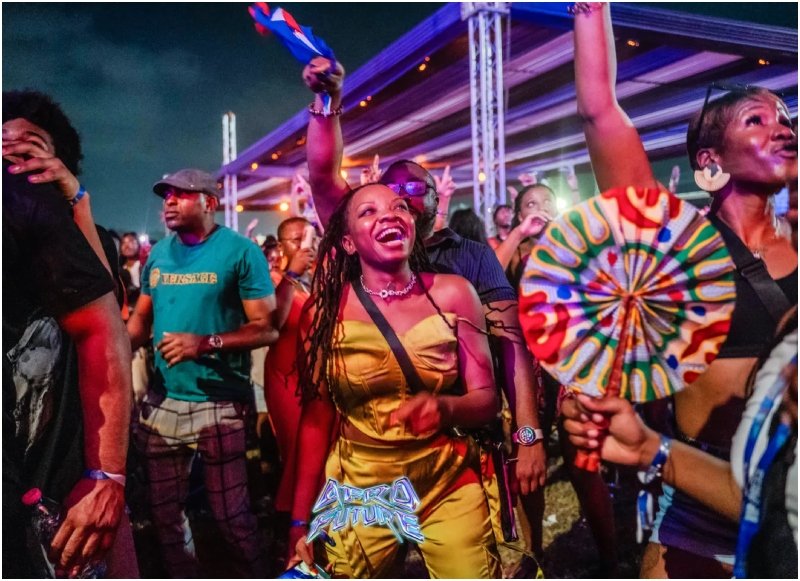
Making its Ghana debut, OUTLAWZ brings an exciting international dimension to Accra’s nightlife, teaming up with Big Abonten for six hours of music, dancing and cultural exchange.
When the bass drops and the dance floor comes alive, Accra knows how to celebrate. On December 22, music lovers will have an opportunity to experience a fresh international sound as OUTLAWZ joins forces with Big Abonten for OBA|OUTLAWZ x BIG ABONTEN, an exclusive Amapiano and Afro-Electronic night at Enzo, formerly Garage Lounge, on Boundary Road.
The event celebrates the growing influence of African electronic music, particularly Amapiano, a South African genre recognised for its infectious piano melodies, deep basslines and distinctive log drum rhythms.
Amapiano has travelled far beyond its South African beginnings, finding enthusiastic audiences across the continent and among African music communities worldwide. Its popularity reflects the power of contemporary African sounds to cross borders, connect generations and create shared cultural experiences.

Running from 10 pm on Tuesday, December 22, until 4 am the following morning, the event promises an energetic night for fans of Amapiano and Afro-Electronic music. Expect an immersive club atmosphere where infectious rhythms, electronic beats and dance-floor energy take centre stage.
For international visitors, OBA offers an opportunity to experience Accra’s contemporary nightlife and connect with the sounds shaping modern African youth culture. For Ghanaians, it is a chance to welcome an international music experience while celebrating the continent’s evolving creative identity.
With its 21-and-over admission policy and six-hour programme, OBA|OUTLAWZ x BIG ABONTEN is set to be a memorable addition to Accra’s December entertainment calendar. Music enthusiasts should make room for this cross-cultural celebration at Enzo.
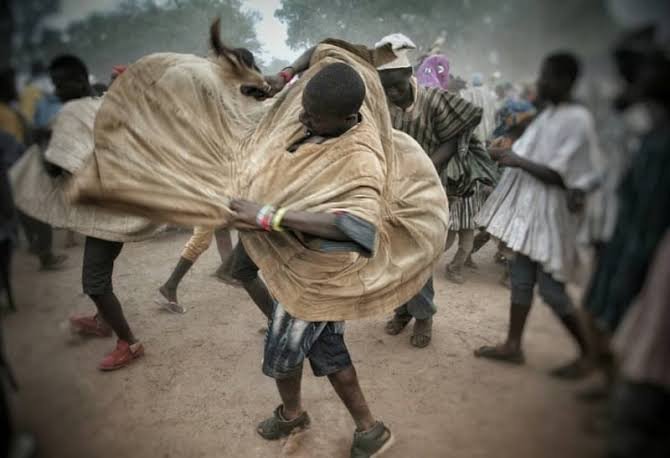
As the farming season gives way to harvest, Bawku in Ghana’s Upper East Region prepares for a celebration filled with traditional drumming, dancing and colourful cultural displays.
Families gather, traditional leaders come together and the sounds of celebration fill the community as the Kusasi people mark Samanpiid, an annual festival of thanksgiving, renewal and togetherness.
Celebrated in November or December, Samanpiid is rooted in the agricultural traditions of the Kusasi people of the Kusaug Traditional Area. For generations, farming has been central to community life, making a successful harvest a moment of profound gratitude.
The festival provides an opportunity to thank God, ancestral spirits, and the spiritual forces believed to protect the people and bless their farms.
The name Samanpiid is commonly interpreted as ‘sweeping the compound’. Beyond the physical act of cleaning, it carries a deeper message of clearing away difficulties, settling disagreements and making room for a fresh beginning.
The occasion encourages forgiveness and reconciliation among families and neighbours, particularly after the demands and occasional disputes of the farming season. UEW Scholar+1
Traditional observances include sacrifices and offerings expressing gratitude for the harvest and seeking continued protection and prosperity. These spiritual activities are followed by public celebrations featuring traditional music, energetic dancing and colourful costumes.
A grand durbar, bringing together chiefs, elders and community members, provides a focal point for the festivities. UERCC+1
Over time, Samanpiid has also developed into an important occasion for discussing the future of Kusaug. Community development, education, peace and social unity feature in the wider celebrations.
Families living elsewhere return home, strengthening relationships and passing cultural values to younger generations. NewsGhana+1
For international visitors, Samanpiid offers an opportunity to encounter the agricultural heritage, spiritual traditions and community life of northern Ghana. For Ghanaians, particularly those reconnecting with their roots, it is a reminder of the importance of gratitude, belonging and shared responsibility.
Experiencing Samanpiid is an invitation to discover Bawku through the traditions of its people, where thanksgiving for the harvest becomes a celebration of identity, renewal and hope.
Festivals & Events
Ghana Food Festival: Diaspora Experience 2026 Celebrates Food, Culture and Connection

Food has a remarkable way of bringing people together, crossing borders and reconnecting families with memories of home.
In Ghana, where traditional dishes tell stories of heritage, identity and community, the Ghana Food Festival: Diaspora Experience offers an opportunity to celebrate these connections through a shared love of food.
Returning for its sixth edition, the festival will take place on Saturday, December 12, 2026, at the Department of Parks and Gardens in Cantonments, Accra.

The gathering brings together Ghanaian and diasporan food businesses, creative entrepreneurs, food enthusiasts and cultural enthusiasts for a day dedicated to culinary discovery, networking and cultural exchange.
For visitors, the festival promises an opportunity to experience Ghana beyond its familiar tourist attractions. Food takes centre stage, offering a chance to discover the country’s culinary traditions while meeting the people and businesses keeping them alive.

From local food enterprises to creative ventures, the event provides a platform for entrepreneurs to showcase their work and connect with potential customers and partners.

Cultural experiences and entertainment will add to the atmosphere, creating space for conversations, new friendships and meaningful connections between people living in Ghana and those returning from the diaspora.
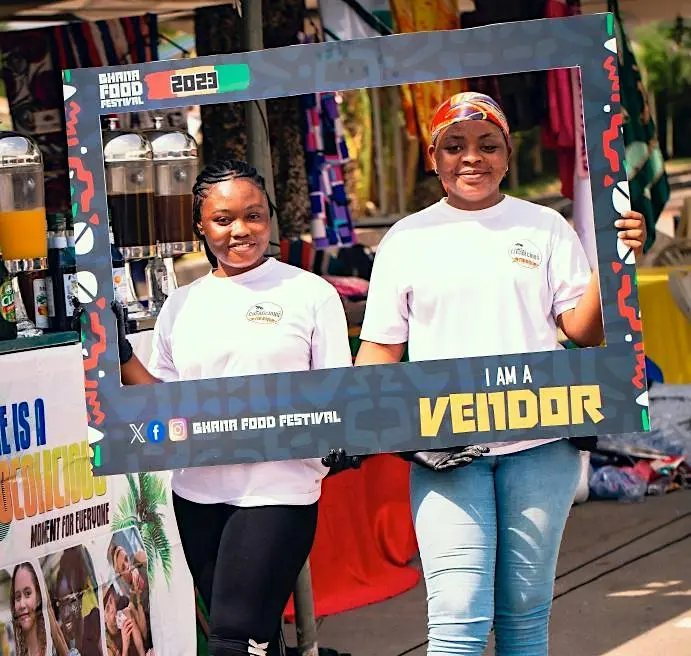
For Ghanaians abroad, the gathering offers a welcome reminder of home, where familiar flavours and shared experiences can renew connections with their roots.
International visitors, meanwhile, can gain a more personal understanding of Ghanaian culture through its food and the people behind it.

Running from noon to 10pm, admission is free, although registration is required.
Whether reconnecting with familiar traditions or discovering Ghanaian cuisine for the first time, the festival offers a welcoming invitation to experience the country through food, creativity and community.




Accra Fashion Week Plans Buyer-Distribution System To Turn African Designers Into Commercial Success Stories

Between The Oceans: How Two Hip-Hop Dancers Carry Ancestral Histories In Their Bodies

‘We Need Justice’: Families Demand Accountability After Best Friends from Ghana Die in Wrong-Way Crash in Canada
-
 Arts and GH Heritage4 hours ago
Between The Oceans: How Two Hip-Hop Dancers Carry Ancestral Histories In Their Bodies
-

 Global Update2 days ago
Content Creation Is Now a College Degree: Universities Turn Influencing Into a Professional Career Path
-

 Arts and GH Heritage2 days ago
1935 Photograph Of Mozambican Boy Reignites Debate Over African Origins Of Fades And Gold Teeth
-
 Ghana News15 hours ago
‘We Need Justice’: Families Demand Accountability After Best Friends from Ghana Die in Wrong-Way Crash in Canada
-
 Fashion & Style3 hours ago
Accra Fashion Week Plans Buyer-Distribution System To Turn African Designers Into Commercial Success Stories