
Reels & Social Media Highlights
Extradition Drama, Galamsey Threats, and Wholesome Romance Rule the Timeline

Thursday, July 9, 2026, was anything but quiet in Ghana’s digital sphere. The nation’s timeline became a swirling vortex of high-stakes legal drama, environmental tension, and unexpected moments of tenderness, painting a complex portrait of a country navigating turbulent times.
Abu Trica’s Extradition Sparks Outrage and Calls for Reciprocity
The day’s most explosive conversation revolved around the extradition of Ghanaian internet personality Abu Trica to the United States.
Blogger Kobby Kyei shared images of the socialite boarding a Delta Airlines flight alongside FBI officials, confirming his departure to face wire fraud charges.
Abu Trica was this morning extradited to the United States at approximately 9:30 a.m. ✈️ 🇺🇸 pic.twitter.com/qXFvG81fVc
— #BoysLivesMatter (@KobbyKyei_) July 9, 2026
However, what truly lit up the feed was the public’s reaction. Ghanaians flooded X (formerly Twitter) with a single, powerful demand: bring former Finance Minister Ken Ofori-Atta back to face justice.
“Why is Abu Trica sent to the US in hours, but Ken Ofori-Atta’s extradition takes years?” one user questioned. The sentiment, loaded with frustration, quickly became a national debate on perceived systemic inequalities.
🇺🇸🇬🇭 UPDATE :
— CDR AFRICA (@cdrafrica) July 9, 2026
Abu Trica was flown out of Ghana aboard Delta Air Lines Flight DL157, which departed Kotoka International Airport in Accra at 9:35 AM on Thursday.
The Airbus A330-941 aircraft (Registration: N433DX) is scheduled to arrive at New York’s John F. Kennedy… pic.twitter.com/4PyqzKwRXM
The controversy was further fueled by concerns from Abu Trica’s lawyer, Oliver Barker-Vormawor, who claimed he was denied access to his client before the flight, adding a layer of legal scrutiny to the narrative.
“Galamsey” Threats Ignite Environmental Debate
While the legal drama unfolded online, a more visceral threat emerged from the Ashanti Region.
A viral video circulating on X showed a “galamsey” (illegal miner) operator issuing a chilling warning to government officials after the destruction of his site by the National Anti-Illegal Mining Operations Secretariat (NAIMOS).
🇬🇭 “They burned the tools we use to work and destroyed our galamsey site. Now we're jobless. The government should be ready because we'll arm ourselves and attack any government officials we see.”
— we love ghana (@weloveghana042) July 9, 2026
—A galamsey operator said after NAIMOS destroyed their illegal mining site,… pic.twitter.com/lvjj8b6Ccq
“They burned our tools… Now we’re jobless. We’ll arm ourselves and attack any government officials we see,” he declared.
This stark footage intensified the already heated debate surrounding Ghana’s relentless fight against illegal mining, highlighting the human desperation and volatility fueling the conflict .
A Ray of Light: Romance and Football Nostalgia
Amidst the heavy news, a wholesome moment offered a welcome respite. A video of a Ghanaian prison officer surprising his girlfriend with a brand-new iPhone for her birthday went viral, earning widespread praise for his romantic gesture.
In a lighter vein, football fans were delighted to see Chelsea legend John Terry send a heartfelt message to Ghanaian actor Yaw Dabo, playfully embracing the “John Telly” nickname that became a global meme during the World Cup.







Reels & Social Media Highlights
Ghana’s Timeline Erupts: Showboy’s Crude Plea, Asantewaa’s Silence, and a Nation Divided

On Wednesday, 14th October 2026, Ghana’s social media didn’t just trend — it combusted. At the center of the firestorm: Showboy, a deported ex-convict and self-styled provocateur, posting a video begging TikTok star Asantewaa to sleep with him because “everyone has chopped her except me.”
The phrase — crude street slang for sex — detonated across Facebook, X, and TikTok, splitting users between outrage, disgust, and reluctant laughter.
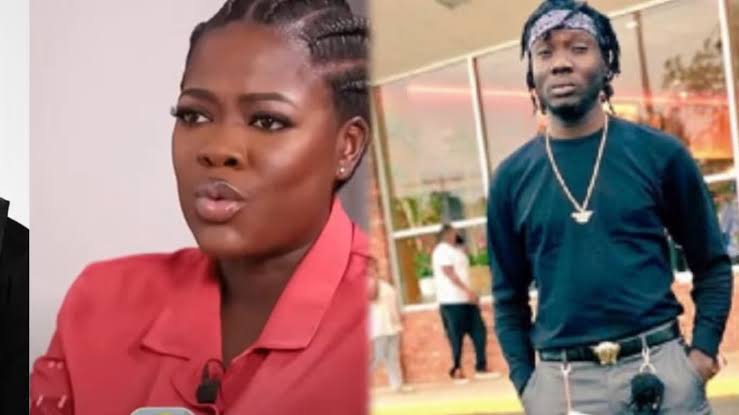
The Asantewaa saga had been simmering for weeks. First, rapper AMG Armani claimed a one-night stand and a pregnancy.
@notorioustrend1 Showboy Goes Hard On Asantewaa For Exp0sing Some Secret In Her Marriage On TikTok Live #ghanabloggers #ghanatiktok🇬🇭 #asantewaaaaa #showboy #notorioustrend ♬ original sound – Notorious🥷 Trend📸
Then Asantewaa herself explained she left her husband over sickle cell genotype compatibility, insisting she wasn’t with Armani until after the split. Showboy’s video poured petrol on the embers.
But the timeline wasn’t only burning with celebrity gossip. In Obuasi, the GES interdicted a headmaster accused of sexual misconduct after students rioted and vandalized school property.
The story — girls alleging assault inside the headmaster’s bungalow, a menstruation claim used as pretext, a school in ruins — resonated because it echoed a painful national truth: institutions meant to protect children often fail them.
Meanwhile, in Agona Nkwanta, a viral video of a man assaulting his wife led to a three-month jail sentence on the very same day, a rare moment of accountability that many users celebrated, even as they questioned why it took a viral clip for justice to move.
What made October 14th distinctly Ghanaian was the collision of these stories.
A culture wrestling publicly with how women are treated — by men like Showboy who see clout in disrespect, by authority figures who abuse trust — while simultaneously turning tragedy into meme fodder, joke captions, duet videos.
Reels & Social Media Highlights
Ghana Social Media Erupts: Bishop Obinim Arrest Claims, Mahama’s Viral Handshake, and a Road-Building Frenzy

Monday, October 12, 2026, found Ghana’s social media in its natural state: a collision of the sacred, the political, and the absurd, all fighting for the same thumb-scroll.
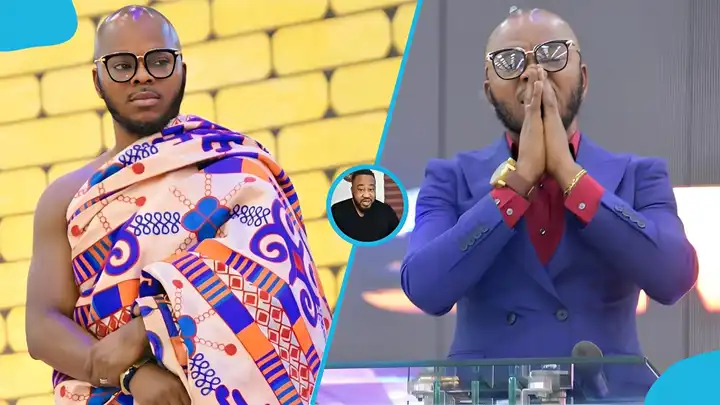
The day’s most volatile thread was the alleged arrest of Bishop Daniel Obinim. Reports that the controversial pastor had been taken into custody over threats against his estranged wife, gospel musician Florence Obinim, spread rapidly on Facebook and X.
By afternoon, a junior pastor at Obinim’s Kumasi church, Reverend Kwabena Okyere (Sofo Crush), posted a TikTok denying everything, insisting he had just spoken to the bishop, who was “at home asleep.”
The denial did not calm the timeline. If anything, it intensified the skepticism, with users demanding video proof and mocking what they saw as a classic deflection.
The Obinim saga resonated because it sits at the intersection of two Ghanaian obsessions: celebrity church culture and the messy, public unravelling of a high-profile marriage.
Meanwhile, a very different kind of viral moment was unfolding. President John Mahama’s “Big Push” road initiative had citizens across the country turning into impromptu journalists, filming bulldozers, asphalt layers, and freshly completed inner roads from Sunyani to Winneba.
The hashtag #abanpapaaba (roughly “the government is working well”) trended as Ghanaians shared raw footage of projects they said they had never seen before outside an election year.
One social media user joked that the roads were “becoming one too many,” a sentiment that captured the unusual optimism of a non-election-year construction boom.
Not everything was celebratory. The swearing-in of Emelia Afi Agbenyo as Deputy Electoral Commissioner sparked sharp debate, with critics pointing to her past role as an NDC manifesto spokesperson and asking why a partisan figure was being placed inside the referee’s office.
A satirical Facebook post summed up the mood: “Instead of Affi Agbenyo, the President should have appointed the First Lady.” The joke landed because it articulated a real anxiety about institutional credibility in a country where trust in the Electoral Commission is never far from the surface.
And then there was the handshake. A young man in Goaso, given the microphone during Mahama’s regional tour, asked for nothing but a handshake with the President.
The video of the moment, shared on Facebook, generated thousands of reactions, ranging from genuine warmth to jokes about never washing that hand again.
What connected these threads was something distinctly Ghanaian: the refusal to silo emotion. Skepticism about a pastor scrolls alongside pride in a new road; a political appointment fuels sarcasm while a stranger’s small joy melts hearts.
In Ghana’s digital culture, everything is urgent, everything is personal, and the timeline never stays quiet for long.
Reels & Social Media Highlights
Nana Akua Addo, Dumelo, and KFC: What Ghana Was Actually Talking About on Social Media

Ghana’s timeline on Wednesday, October 7, 2026, was less a conversation than a collision of worlds.
In one scroll, you could move from a domestic violence scandal tearing through showbiz to a politician’s proposal that churches build factories — all while KFC Ghana’s 15th-anniversary hashtag racked up more tweets than any other topic in the country .
The day’s most visceral story remained the Nana Akua Addo domestic dispute. Viral videos showing the fashion icon with a battered face and blood-stained clothes had erupted the previous day, and by Wednesday the fallout had deepened .
Her lawyers confirmed the footage was “leaked without consent,” while her husband’s team countered with their own video alleging he was the victim of an attack dating back to 2021.
For Ghanaians, it wasn’t just celebrity gossip — it was a raw conversation about domestic abuse, privacy, and whether the children caught in the footage deserved protection from the very platforms amplifying their pain.
Then came John Dumelo. The actor-turned-MP posted a Facebook proposal suggesting ten churches pool resources to establish an agro-processing factory in the Ashanti, Volta, or North East regions.
The post exploded — over 700 comments within three hours, many asking why politicians weren’t taking the lead themselves instead of outsourcing development to religious bodies.
It was a debate about who should build Ghana, wrapped in the familiar tension between faith and state.
Meanwhile, the algorithm delivered its usual absurdism: a Ghanaian man went viral for “repairing” torn cedi notes , and the visually impaired Shatta Wale fan whose ShattaFest moment had melted hearts days earlier was still circulating in group chats .
What connected these threads was something distinctly Ghanaian: the refusal to silo emotion. Grief and outrage scroll alongside humour and distraction.
A country arguing about domestic violence in the morning can pivot to debating church factories by afternoon — not because it doesn’t care, but because the timeline demands it.
In Ghana’s digital culture, everything is urgent, everything is personal, and nothing stays quiet for long.



-

 Ghana News1 day ago
OBITUARY: Gamal Gorkeh Nkrumah, Son of Ghana’s Founding President, Dies in Cairo
-

 Sights and Sounds2 days ago
EPP BookShop at Legon: A Destination for Students, Families and Book Lovers
-

 Health & Wellness1 day ago
Walking Is More Than Exercise: Small Steps That Can Transform Your Health
-

 Festivals & Events1 day ago
MaddFest 2027: Welcome the New Year with a Night of Celebration in Accra
-

 Homes & Real Estate2 days ago
Building Smarter in Ghana: Could Plastic Rebar Clips Improve Construction Efficiency?
-
 Arts and GH Heritage1 day ago
Inside Togo’s Abandoned Colonial Building, African Artists Reclaim Cultural Memory
-

 Global Update1 day ago
Wave of Student Killings at Mexico Universities Raises Safety Concerns
-
 Ghana News1 day ago
Mahama to Churches: The Real Sermon Is Written After the Closing Prayer