
Health & Wellness
Why Your 30s Demand Strength Training (Before It’s Too Late)

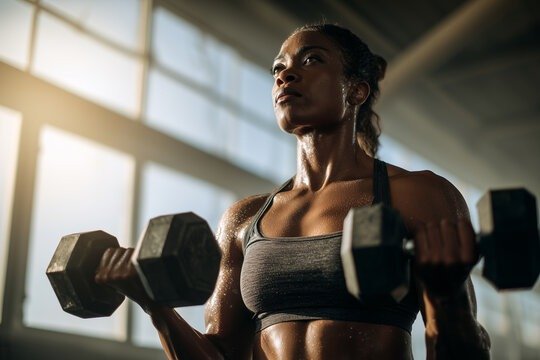
Let me tell you something they don’t print on birthday cards. The day you turn 30, your body quietly begins a conversation with gravity. And gravity always wins—unless you fight back.
I remember watching my uncle at 35 complain about his back after carrying a bag of rice. Just one bag. The same man who played wingback for his school team. He laughed it off, called it “old age coming.” But it wasn’t age. It was an absence. The absence of resistance. The absence of strength work.
Your 30s are not old. But they are decisive. Here is why picking up heavy things matters more now than ever.
1. Your muscles start leaving without notice
After 30, your body begins something called sarcopenia. Fancy word for a simple betrayal: you lose about 3 to 5 percent of your muscle mass every decade if you do nothing.
The muscles you built playing football at Legon or running around in JHS—they start packing up quietly. Strength training is the only way to tell them: nobody is leaving this party yet.
2. Your bones remember every drop
Here is a fact that shook me. Your skeleton is not a dry stone. It is alive. It responds to pressure. When you lift weights, you stress your bones just enough that they say, “We need to get stronger.”
They add density. Women in their 30s especially need this because after menopause, bone loss accelerates like a trotro on an empty motorway. Lift now. Your bones will thank you at 60.
3. Your metabolism stops doing you favors
Remember when you could eat three balls of kenkey with fried fish and still wake up flat-bellied?
Those days are fading. Your metabolism drops about 2 to 3 percent per decade. But muscle burns more calories than fat, even when you are lying on the couch watching Sarkodie videos. More muscle means your metabolism stays awake. It means you eat and actually use the food, instead of storing it around your waist.
4. Your joints start complaining about small things
Knees that never hurt before. A lower back that tightens up after sitting too long. Shoulders that click for no reason. This is your 30s announcing itself. Strength training strengthens not just muscles, but the tendons and ligaments around your joints.
It builds a support system. Strong glutes take pressure off your knees. A strong core saves your lower back. You are not just lifting for show. You are lifting to move without pain.
5. Your stress lives in your shoulders
Life in your 30s is pressure. Work. Family. Money. That pressure sits in your body—tight neck, stiff shoulders, headaches. Lifting heavy things is strangely therapeutic.
You cannot think about your problems when a barbell is trying to crush you. The focus required pulls you into the present moment.
And after, the release is real. You sleep better. You argue less. You carry the weight outside so you can let go of the weight inside.
6. You are building the body you will live in
Here is the truth. The body you build in your 30s is the body you inhabit in your 50s and 60s. If you want to chase your grandchildren, travel without pain, carry your own shopping, and live independently—this is the decade it starts.
Strength training is not about looking good at the beach. It is about being able to live fully when life gets longer.
The conclusion
Nobody is asking you to become a bodybuilder. Three hours a week. Some dumbbells. Maybe a gym membership at that place near the mall.
Squats, pushes, pulls. Just enough to tell your body: I am still here. I am still strong. Your 30s are not a decline. They are a choice. Choose the weight.


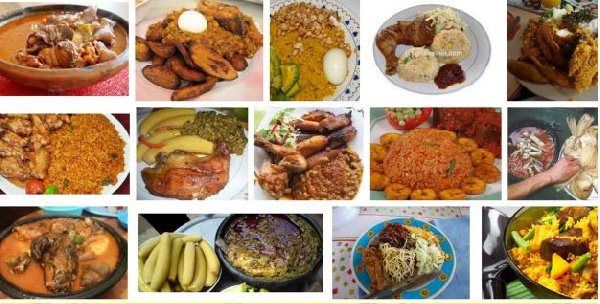
Let me tell you about my friend Akua. She loves banku. Loves it. But last year, a “fitness influencer” on Instagram told her banku was the enemy.
So she quit. She started eating lettuce and drinking green smoothies. Two weeks later, she was miserable, broke from buying imported “diet foods,” and back at the chop bar ordering extra shito.
Here is the truth they don’t tell you: You can lose weight without saying goodbye to fufu, kenkey, or your mother’s groundnut soup. The problem is rarely the food itself. It is how we eat it, when we eat it, and what we add to it.
Here are five practical ways to shed the kilos while keeping your plate proudly Ghanaian.
1. Shrink the Banku, Not the Soup
The main issue with fufu, banku, and kenkey is not that they are evil. It is the portion size. Two large balls of banku can pack over 500 calories before you even touch the fish. The fix is simple: eat one ball instead of two. Keep the soup, keep the meat, but cut the swallow in half. Your stomach will adjust in two weeks, and you will still enjoy the meal. You just won’t need to unbutton your trousers afterward.
2. Give Your Fish the Grilling Treatment
Fried fish is delicious. Nobody is denying that. But when you dip that tilapia in hot oil, you are adding calories that do nothing for you except sit on your waistline. Grilled fish gives you all the protein, all the taste, and none of the extra oil. Next time you order kenkey, ask for grilled fish instead of fried. Your body will notice the difference even if your taste buds barely do.
3. Meet Your New Best Friend: Kofi Brokeman
Roasted plantain with groundnuts—affectionately called “Kofi Brokeman”—might be the smartest weight loss food on the planet. It is high in fiber, which helps you feel full. It gives you sustained energy without the crash. And because it is roasted, not fried, you skip all that oil. A hundred grams gives you about eight percent of your daily fiber needs. Eat it in the afternoon when the 3 p.m. slump hits. It beats anything from the provision shop.
Read Also: Three Amazing Things That Happen When You Introduce Vegetables to Your Diet
4. Watch the Liquid Calories
Sobolo is healthy. We know this. But the Sobolo they sell in sachets on the street? That thing is sugar with a little hibiscus flavor. Same with packaged fruit juices and even some of our beloved malt drinks. These liquids add sugar directly to your system without making you feel full. You drank 300 calories, and you are hungry again in an hour. Drink water, drink your Sobolo homemade with little or no sugar, and watch the belly respond.
5. Eat Your Beans and Keep Quiet
Gobɛ—gari and beans—is actually a weight loss powerhouse. The beans are loaded with protein and soluble fiber. That fiber forms a gel in your stomach, slowing everything down. You feel full for hours. One large study found that people who ate beans regularly had a 23 percent lower risk of increased belly fat. The key is to go easy on the oil and the sugar. Eat it for what it is: real food that sticks with you.
Conclusion
Nobody is asking you to abandon your culture. The healthiest people in the world eat their traditional foods. They just eat them in the right amounts, prepared the right way. Start with one of these changes this week. Not all five. Just one. Let your body adjust. And watch what happens.
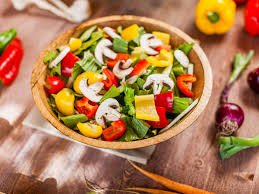
Most of us treat vegetables like the boring opening act at a concert—something to endure before the steak or the pasta takes the stage.
We’ve been told since kindergarten to “eat our greens,” but nobody really talks about the internal riot that happens when you actually start doing it.
If you’ve spent years viewing a garnish of parsley as your daily dose of fiber, suddenly introducing a mountain of broccoli and spinach to your routine is going to trigger a biological overhaul that feels less like a diet and more like a software update.
Here are three undeniable shifts that occur when you finally stop ghosting the produce aisle.
1. The Great Microbial Civil War
Inside your gut, a massive battle for territory is constantly raging. When you live on processed flour and sugar, you’re essentially feeding the “bad” bacteria that thrive on inflammation. The moment you introduce complex fibers from vegetables, you’re air-dropping supplies to the “good” guys—the microbes that produce short-chain fatty acids.
For the first few days, you might feel a bit of “rumbling” or bloating. Don’t panic; it’s just the sound of the old guard being evicted while your gut microbiome undergoes a massive, healthy renovation.
Read Also: How Walking Melts the Stubborn Fat You’ve Been Trying so Hard to Get Rid Of
2. The Return of the “Natural High”
Vegetables are dense with micronutrients like magnesium, potassium, and B-vitamins that act as the spark plugs for your cellular energy.
Without them, your body is like a car with plenty of fuel but no oil. Once your levels stabilize, that 3:00 PM “brain fog” starts to lift.
You’ll notice a steady, buzzing energy that doesn’t rely on a third cup of coffee. It’s not a jittery caffeine spike; it’s the feeling of your mitochondria finally having the tools they need to function at full capacity.
3. The Incredible Shrinking Appetite
Vegetables are the ultimate “volume hack.” Because they are packed with water and fiber, they physically stretch the walls of your stomach.
This triggers “stretch receptors” that send an immediate signal to your brain saying, “We’re full!”
You’ll find yourself leaving a meal feeling physically satisfied but light, rather than heavy and lethargic. Suddenly, that bag of chips in the pantry loses its power over you because your hunger hormones, like ghrelin, have finally been muzzled by a plate of roasted cauliflower.
Conclusion
Transitioning to a vegetable-heavy plate isn’t just about “being healthy”—it’s about reclaiming your biology. From the microscopic war in your gut to the newfound clarity in your mind, the shifts are profound.
You might start with the vitamins, but you’ll stay for the way it makes you feel like a high-performance version of yourself. Start small, but start today; your body is waiting for the reinforcements.
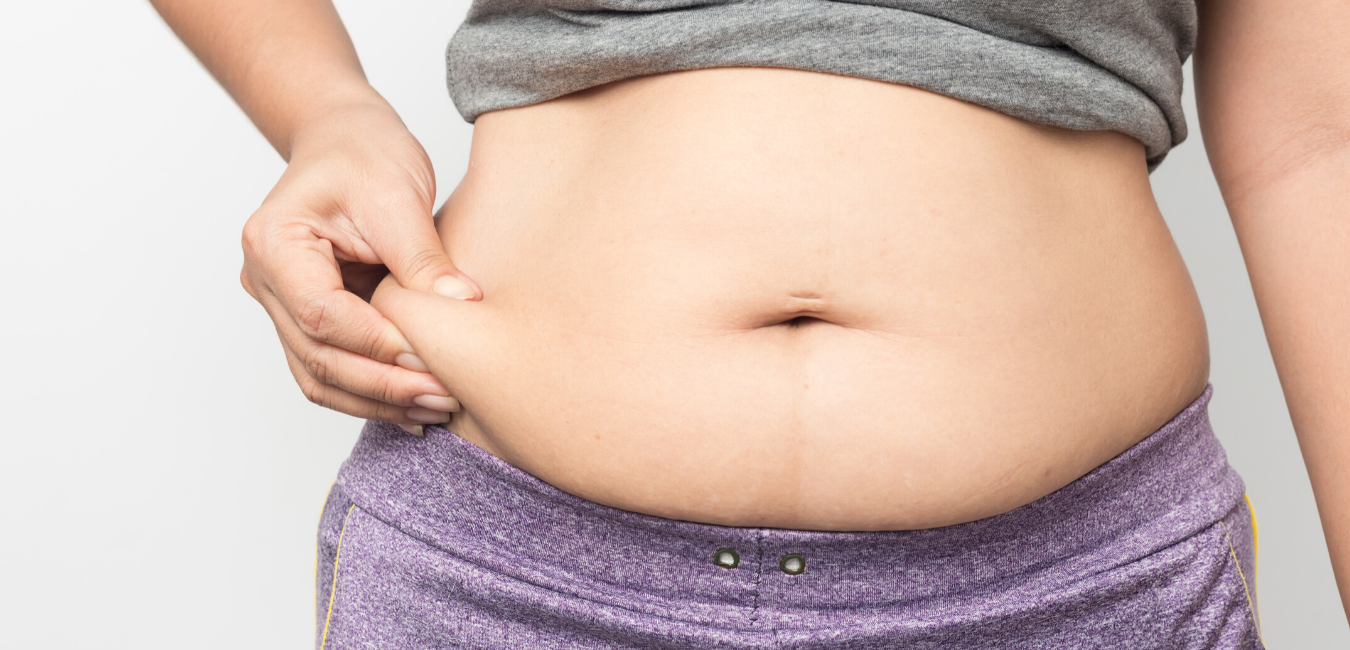
We often treat walking as the “consolation prize” of fitness. If we aren’t drenched in sweat or gasping for air on a treadmill, we feel like we haven’t really worked out.
But when it comes to visceral fat—that stubborn, deep-seated “hidden” fat wrapped around your internal organs—walking isn’t just a basic movement. It is a biological cheat code.
Visceral fat is more than a wardrobe nuisance; it’s metabolically active, sending out inflammatory signals that can mess with your health. The good news? It’s incredibly sensitive to aerobic activity. Here are four ways your daily walk acts as a targeted strike against it.
1. The Low-Intensity “Fat-Burning Zone”
While high-intensity sprints burn more total calories per minute, walking keeps you in a specific heart rate window where your body prefers to use fat as its primary fuel source rather than stored carbohydrates. Because walking is sustainable, you can stay in this “fat-burning zone” long enough to tell your body it’s safe to start tapping into those deep energy reserves—specifically the visceral stores.
2. Taming the Stress Monster (Cortisol)
High levels of the stress hormone cortisol act like a magnet for visceral fat, specifically signaling the body to store energy in the abdomen. Unlike a grueling 5-mile run, which can actually spike cortisol in an already stressed person, a brisk walk lowers it. By calming your nervous system, you’re essentially flipping the switch from “store fat” to “release fat.”
3. Improving Insulin Sensitivity
Every time you take a step, your muscles demand glucose. Walking makes your cells more “ears open” to insulin. When your insulin sensitivity improves, your body doesn’t need to overproduce the hormone to manage blood sugar. Since high insulin levels are a primary driver of belly fat storage, walking helps clear the path for your body to burn what it has already stored.
Read Also: Six Simple Biological Hacks for a Good Night’s Sleep
4. The NEAT Effect
Walking contributes to Non-Exercise Activity Thermogenesis (NEAT). Most people focus on the hour they spend at the gym, but the other 23 hours matter more for visceral fat loss. A habit of walking—to the shop, during a phone call, or after dinner—keeps your metabolic rate humming throughout the day, preventing the stagnant state that allows visceral fat to accumulate.
The Verdict
You don’t need a gym membership or expensive gear to reclaim your health. Walking is the most underrated tool in your fitness shed. It’s gentle on your joints but relentless on the fat that matters most. Start with twenty minutes, leave the phone in your pocket, and let your feet do the heavy lifting. Your organs will thank you.


The House That Was Sold Twice: A Cautionary Tale Before You Buy in Ghana

Oil Price Surge is Hurting African Economies: Scholars in Ethiopia, Kenya, Nigeria, Senegal and South Africa Take Stock

Three-Member Team Tasked to Probe Cause of Fatal Microlight Crash at Tema Community 1
-
 Ghana News2 days ago
Targeted Interventions at Ghana’s Most Remote Schools Shine Light on Opportunities and Persistent Gaps in Rural Education
-

 Business22 hours ago
Bank of Ghana’s Gold Sales Defended as Prices Plunge from $5,500 to $4,680 per Ounce
-

 Ghana News16 hours ago
Renowned Artist Ibrahim Mahama Allegedly Assaulted by Police, 44 Ghanaians Rescued from QNET Scheme in Nigeria and Other Big Stories in Ghana Right Now (March 21)
-

 Ghana News23 hours ago
Ewoyaa Residents Demand Compensation After Lithium Deal, Expert Warns Ghana’s Economy Stil Needs Work and Other Trending Issues Today (March 21, 2026)
-

 Ghana News2 days ago
Mahama Urges Warring Parties in Middle East to Choose Dialogue, Video Shows Patients Sleeping on Floors at Korle Bu, and Other Trending Issues Today (March 20, 2026)
-

 Festivals & Events2 days ago
The Festival in Ghana Teaching Women to Love Their Crowns and Their Futures
-
 Ghana News2 days ago
Ghana Secures $500 Million World Bank Funding to Revamp Feeder Roads Nationwide
-

 Ghana News23 hours ago
Accra Airport’s New Signage Sparks Widespread Outrage Over Shoddy Workmanship