
Homes & Real Estate
Tenant vs. Landlord: The Quiet Intimidation That Pushes Renters Out

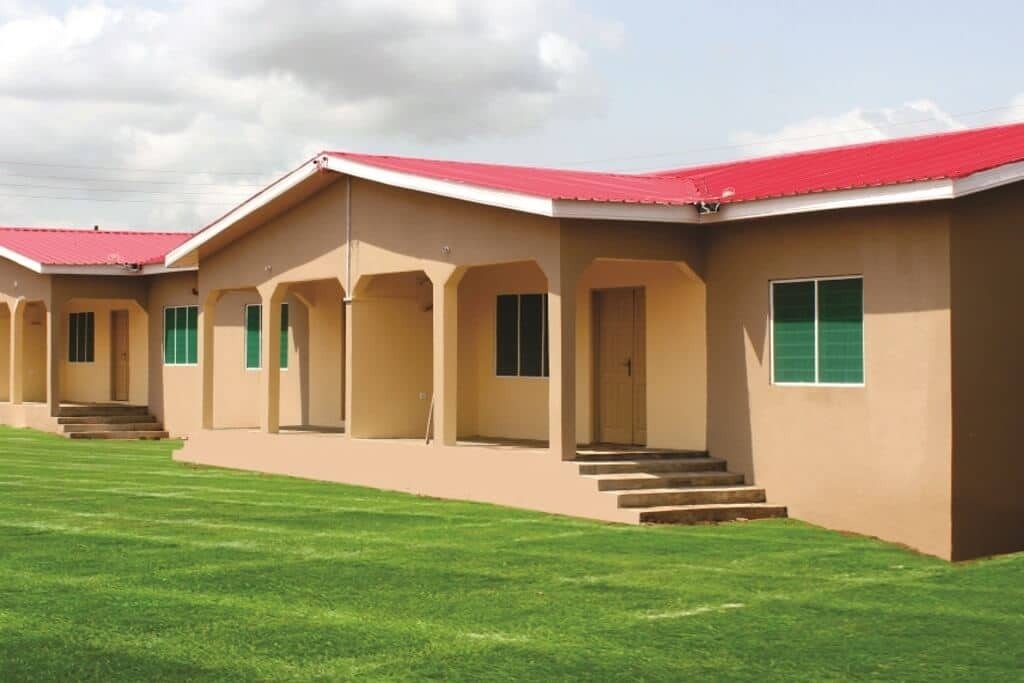
The moment the landlord returned, the mood in the building changed.
At first, it was subtle. A longer stare than usual. A tone in conversation that carried more edge than courtesy. Then came the attempts to intimidate—quiet pressure meant to remind a tenant who held the power.
But the response was simple: silence.
“I don’t respond well to intimidation,” the tenant recalls. “And honestly, nobody should.”
That brief encounter highlights a reality many renters quietly face around the world, including in Ghana: the delicate power balance between landlord and tenant. Renting a home should mean security and privacy. Yet for some tenants, it becomes a test of boundaries.
In this case, the warning signs appeared quickly. The apartment had seemed fine at first. But once the landlord returned to the property, his behavior began to raise concerns.
Conversations carried an undercurrent of control. There were moments that felt less like routine property management and more like attempts to assert dominance.
For the tenant, the realization came suddenly: this was no longer a comfortable place to live.
“I wouldn’t want to stay in an apartment where someone might try to harm me,” the tenant explains. The decision to leave came soon after.
Across Ghana’s growing rental market, stories like this surface more often than people expect. As cities expand and housing demand rises, many tenants find themselves navigating agreements that rely heavily on trust. While most landlords operate responsibly, the few who abuse their authority can create environments where tenants feel vulnerable.
Housing advocates say intimidation can take many forms. It may appear as repeated unannounced visits, aggressive communication, or subtle threats about deposits and eviction. These actions rarely make headlines, yet they shape the daily experiences of renters.
The larger issue isn’t just one difficult landlord. It’s the question of rights.
In Ghana, tenant protections exist, but awareness remains uneven. Many renters—especially young professionals or newcomers to a city—enter agreements without fully understanding the boundaries landlords are legally required to respect.
The result is that some tenants endure uncomfortable situations longer than they should.
Walking away from a lease is rarely easy. It means packing up, searching for another home, and often losing money in the process. Yet for many renters, personal safety outweighs convenience.
“No landlord should ever use their position to dominate a tenant,” the former resident says. “A home should never feel like a place where you’re being watched or threatened.”
It’s a reminder that renting a space is more than a transaction. At its best, it provides stability and peace of mind. When that balance disappears, the only real option may be the hardest one—leaving.
And sometimes, leaving is the strongest response to intimidation.








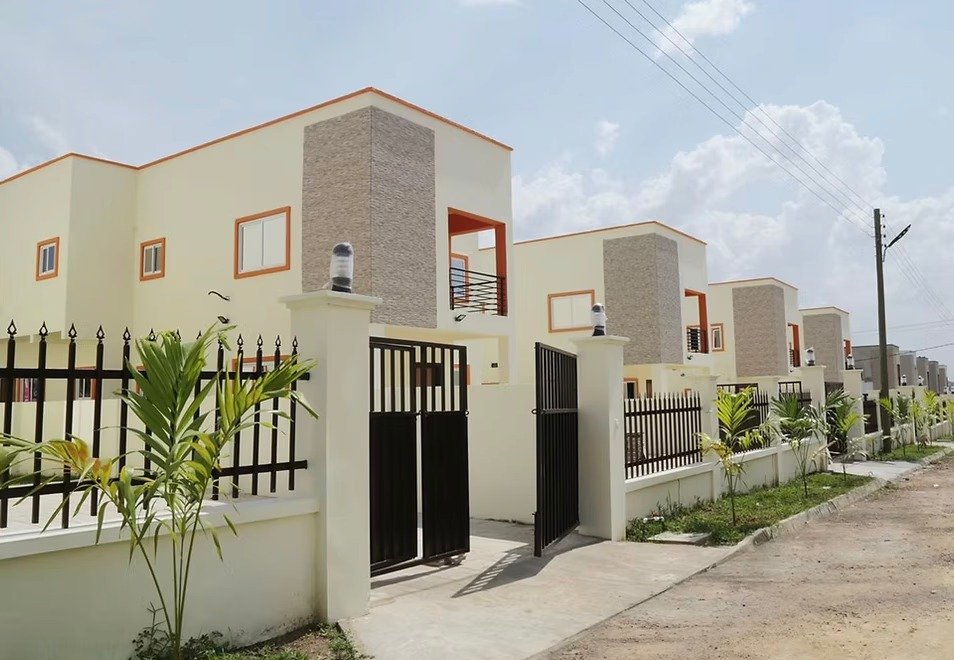
A freshly listed apartment can feel like a promise. Bright white walls, polished tiles, modern furniture arranged just so. Scroll through the photos online and you can already imagine your life there — morning coffee by the window, quiet evenings after work, maybe a balcony view of the city lights.
Then you arrive.
The couch in the pictures is gone. The once-pristine walls are smudged and dull. The bathroom that looked spa-like online now has peeling sealant around the shower and a faint smell of dampness. Same apartment, same layout — but the reality feels like a completely different place.
Anyone who has searched for property online knows this moment. The property “catfish.”
The term, borrowed from online dating culture, has found its way into the housing market as renters increasingly rely on polished listing photos to decide where to live.
And in cities like Accra, where demand for decent apartments continues to climb, the gap between what’s advertised and what’s actually available can feel especially frustrating.
Real estate agents often defend the practice by saying the photos were taken when the property was first completed or after a renovation. Technically, they aren’t lying. But they also aren’t telling the full story.
For renters, especially young professionals or international visitors relocating to Ghana, that missing context matters.
A listing might show a newly furnished apartment with spotless paint and sleek interiors. By the time a prospective tenant walks through the door months later, the furniture may be gone, the paint scuffed, and maintenance clearly overdue.
Social media has made the issue harder to hide. Increasingly, frustrated renters are sharing side-by-side comparisons: the glossy online photos versus the real-life version they encountered during viewings. The difference can be startling.
The frustration isn’t only about aesthetics. It’s about trust. Renting a home is one of the biggest financial decisions many people make each year.
When listings exaggerate reality, the viewing process becomes a game of skepticism rather than excitement.
Some property platforms are beginning to respond by encouraging more recent photos or virtual tours that show the property as it currently stands. It’s a small step toward transparency in a market where first impressions travel faster than facts.
Until then, seasoned renters have developed their own rule: never fall in love with the pictures.
Always visit first.

There is a story that gets whispered in Accra real estate circles. A man, let us call him Kwame, had been saving for years.
He found a beautiful house in a quiet neighborhood, handed over a hefty deposit, and began making plans to move his family in.
Six months later, a stranger arrived with a key. The house had been sold to two different people. Kwame’s documents were sitting in a drawer, worthless. The other buyer’s documents were sitting at the Lands Commission, stamped and registered.
Kwame learned the hard way what too many Ghanaian homebuyers discover: in property, love at first sight is not enough. You need paperwork that holds up in a courtroom.
For Ghanaians abroad and locals alike, buying a house is the dream. It is the anchor. The inheritance you leave your children.
The thing that tells you, after years of rent receipts and moving boxes, that you have finally arrived. Areas like Tema are buzzing with modern developments, and the calls from diaspora buyers are coming in faster than ever.
But here is the thing about Ghana’s property market that no glossy brochure will tell you: the person holding the key does not always own the land.
The Documents That Will Save You
Before you hand over a single pesewa, there are three things you need to hold in your hand. Not promises. Not handshake agreements. Paper.
First is the Land Title Certificate. This is the gold standard. It means the property has walked through the doors of the Lands Commission and emerged with a clear name attached. If the seller’s name does not match this certificate, stop right there.
Second is the Indenture. Think of this as the marriage certificate between buyer and seller. It should name both parties, describe the property down to its boundaries, and bear signatures that were witnessed by people who actually saw them sign. A proper indenture is not just signed; it is stamped and registered with the state.
Third is the Consolidated Search Report. This is your insurance policy. It is a formal check with the Lands Commission to confirm that the property belongs to the seller, that it has not been sold to someone else, and that no family dispute or court case is lurking in its past.
The Unspoken Rule
Here is what experienced buyers know: a developer who hesitates to show you documents is a developer who has something to hide.
The right developers will hand you these papers before you ask. They will walk you through the process because they know that a buyer who feels secure is a buyer who will tell their friends.
At the end of the day, buying a home in Ghana is not just about square footage or kitchen finishes. It is about peace of mind. It is about knowing that the house you paid for will be the house your children inherit.
Do not let the excitement of the purchase blind you to the paperwork. A beautiful house without clean documents is not a home. It is a headache waiting to happen.

You have seen them on Instagram. The young man in a perfectly ironed print shirt is standing in front of a half-completed mansion at East Legon.
The woman is sipping coconut water by the beach while her phone buzzes with client inquiries. They are real estate agents, and lately, every other person you know from church or SHS seems to be joining them.
Is the hype real? Having watched friends transition from banking to brokerages and teachers turn into property consultants, I sat down to figure out why this field is pulling people.
If you are stuck in traffic on the Tema Motorway dreaming of a change, here is what makes this work different.
1. No Degree? No Problem
Let us be honest. In Ghana, the job market can be tough on your certificates. A degree does not guarantee a job, and without one, many doors slam shut.
Real estate is different. Nobody asks to see your WASSCE results before you show a plot of land at Adenta. What matters is your hustle, your mouth, and your honesty. You just need to be licensed and ready to learn the ropes.
2. Your Office Is Everywhere
Forget reporting to a supervisor by 8 a.m. sharp. In real estate, the “office” could be a construction site at Adjiriganor, a finished home at Trassacco Valley, or your own bedroom while you reply to messages on WhatsApp.
You set the hours. If your child is sick, you adjust. If you want to go to the salon on a Tuesday afternoon, you go. The flexibility hits different when you are used to asking for permission to take leave.
3. The Commission Changes Things
Here is the part nobody shouts about loudly, but everyone whispers. The money can be good. Not “monthly salary” good, but “I just sold a house at Airport Hills” good.
There is no ceiling on your payslip. Sell one piece of land, and your commission might be what a bank teller makes in six months. Of course, it takes work, but the potential is right there.
Read Also: Why Multi-Family Units are the New Gold Standard for Ghana’s Real Estate Investors
4. You Become the Family Expert
Soon after you start, your phone becomes the family hotline. Your cousin needs a cheap self-contained in Santa Maria.
Your mother’s friend is looking for land at Kasoa that does not come with a landguard dispute. You become the go-to person. That feeling of using your knowledge to help your own people avoid the “I bought land, and they sold it twice” tragedy is genuinely fulfilling.
5. No Two Days Look the Same
If you hate sitting behind a desk staring at Excel sheets all day, this is for you. One morning, you are taking photos of a new listing at Adjiringano.
In the afternoon, you are driving a client through the potholes of a new development at Oyarifa. You meet strangers who become friends, and you see houses that make your jaw drop.
6. You Learn the Real Ghana
After a while, you stop just seeing houses. You see investments. You learn why a plot at Amrahia is cheaper than one at Roman Ridge.
You understand titles, site plans, and what “ownership” truly means. It makes you sharper with your own money.
The work is not easy. Clients cancel, deals fall through, and fuel is expensive. But for many Ghanaians right now, the freedom and the potential are worth the risk.



-

 Ghana News1 day ago
Newspaper Headlines Today: Friday, March 27, 2026
-

 Ghana News15 hours ago
Mahama Says Ghana’s LGBTQ Stance is Rooted in Culture, Court Clears Way for Abu Trica’s Extradition to the US and Other Trending Stories in Ghana
-

 Ghana News2 days ago
Escalating Violence in Oti Region Town Claims 5 Lives, Parliament Passes Legal Education Bill 2025, and Other Big Stories in Ghana Today
-

 Africa Watch16 hours ago
Pan Africanist Otchere-Darko Rebukes UK Conservative Leader Kemi Badenoch Over Recent Comment on Slavery Reparations
-

 Ghana News1 day ago
Major Change Comes to How Lawyers are Trained: 10 Things to Know About Ghana’s Newly Passed Legal Education Reform Bill
-

 Ghana News1 day ago
Latest Update on Ofori-Atta’s Case, Ghana’s Upcoming 7-Year Domestic Note, and Other Big Stories in Ghana Today (March 27)
-

 Business22 hours ago
Ghana Cedi Expected to Weaken Further in The Coming Week, Traders Say
-

 Homes & Real Estate2 days ago
The Property Catfish: When Apartment Photos Don’t Match Reality