
Sights and Sounds
Hands in the Earth: The Art of Pottery Making with Ghanaian Artisans

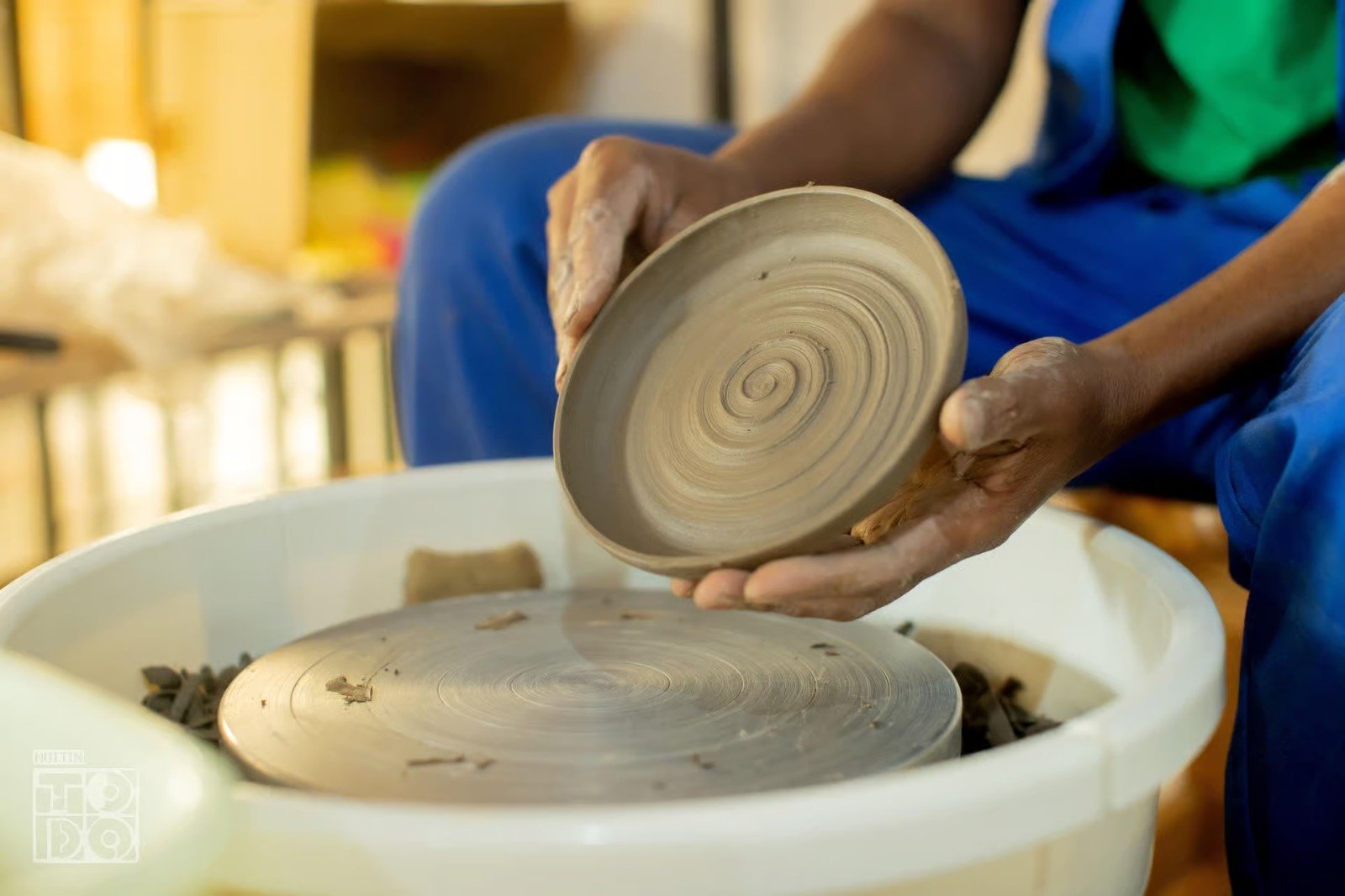
The morning air carries the earthy scent of wet clay as laughter rises from a courtyard lined with handmade pots drying beneath the sun.
In many parts of Ghana, pottery workshops begin long before the heat of midday arrives. Local artists sit beneath wooden shelters, their fingers moving with practiced rhythm, shaping bowls, water jars, and decorative pieces from rich red earth gathered nearby.
Visitors arriving for a pottery-making experience quickly discover that this is not simply an art class—it is an invitation into a living tradition.
Across communities such as Sirigu in the Upper East Region and parts of the Volta and Ashanti Regions, pottery has remained woven into daily life for generations. Clay vessels once carried water, stored grain, and cooked meals over open fires.
Today, travelers can step directly into that heritage through workshops led by local artisans eager to share both skill and story.
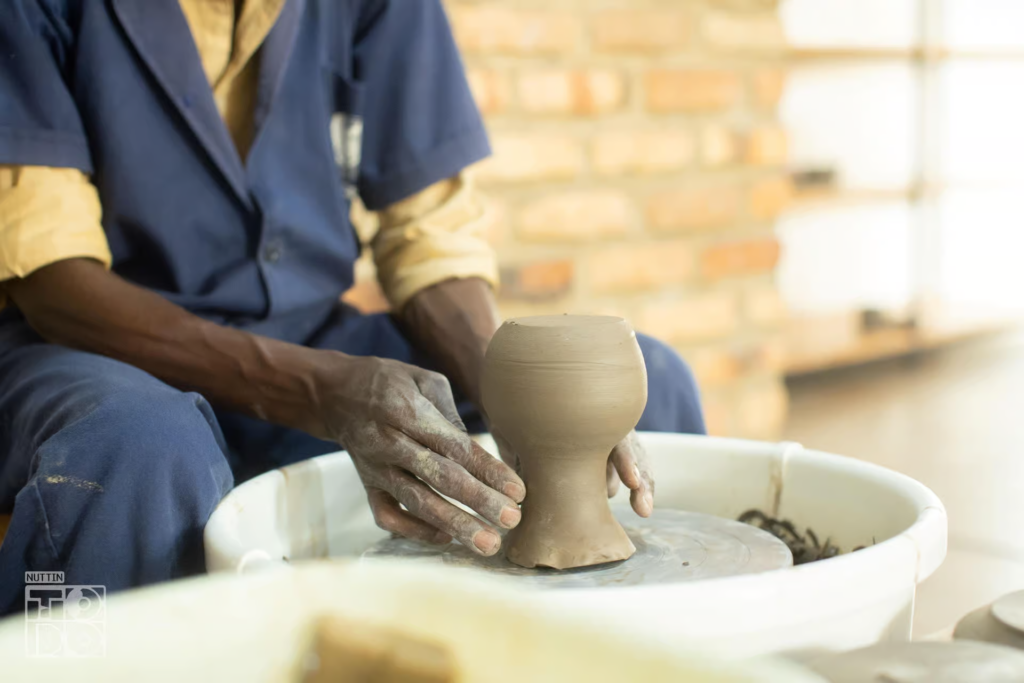
A Hands-On Journey Through Ghanaian Craftsmanship
The experience often begins with a walk through the workshop grounds where rows of finished pots, painted calabashes, and fired clay sculptures create a landscape of warm terracotta colors.
The sound of spinning wheels, crackling kilns, and soft conversation fills the air. Visitors learn how raw clay is cleaned, kneaded, shaped, and carefully fired using traditional methods that have changed little over the decades.
There is joy in the imperfections of the process. Clay sticks to fingertips, wheels wobble unexpectedly, and first attempts rarely emerge symmetrical. Yet that is exactly what makes the experience memorable. Local artists guide participants patiently, demonstrating techniques passed down through families for centuries.
Beyond the workshop itself, travelers often explore nearby cultural attractions, local markets, and craft centers where woven baskets, beads, and hand-dyed textiles showcase Ghana’s wider artistic heritage. In some communities, guests can also enjoy traditional drumming performances or meals prepared with locally grown ingredients, turning a pottery session into a full cultural immersion.
Why Travelers Keep Returning
Pottery workshops offer something many modern trips struggle to provide: genuine connection.
There are no rushed schedules or staged performances. Instead, visitors share conversations with artists, hear stories about village life, and leave carrying an object shaped by their own hands.
For travelers seeking experiences that feel personal and rooted in place, Ghana’s pottery workshops provide a rare opportunity to slow down and create something lasting. Long after the clay has hardened, the memory of dust-covered hands, glowing kilns, and warm community hospitality stays with visitors like a fingerprint pressed into wet earth.












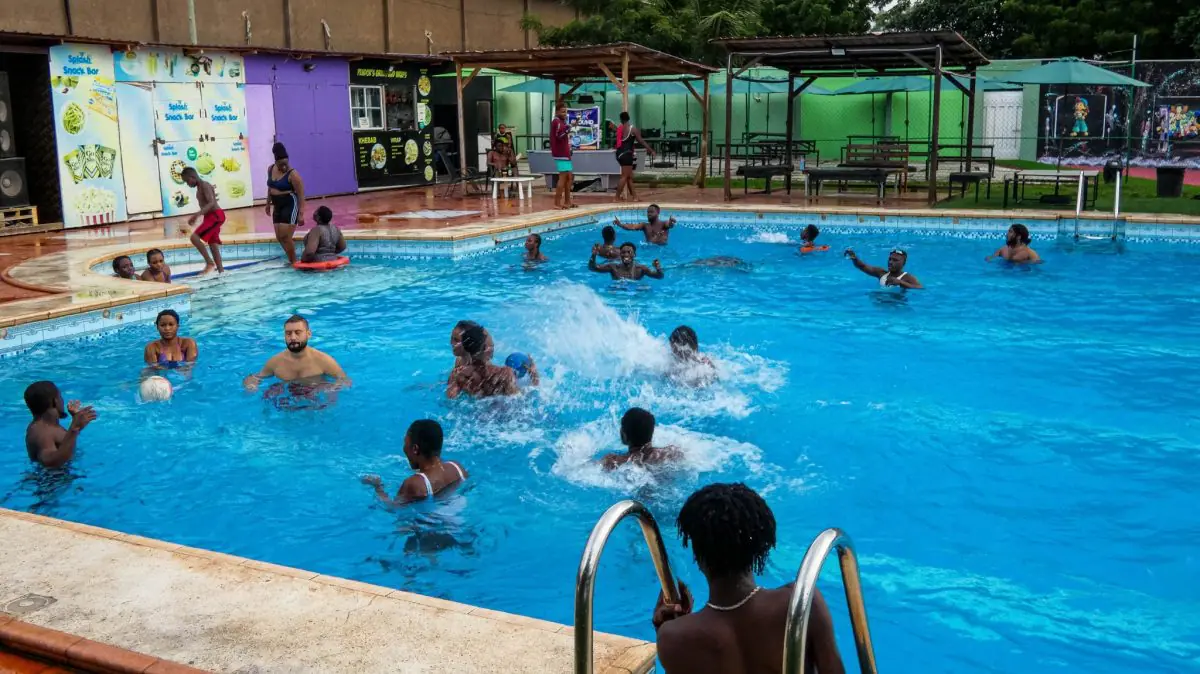
A great afternoon in Accra doesn’t always require a long drive or an expensive getaway.
Sometimes, it is hidden just off one of the city’s busiest roads, where the soundtrack shifts from traffic to music and the biggest decision is whether to dive into the pool or order a cold drink first.
Tucked off Nii Martey Tsufu Street, which runs parallel to Spintex Road, Splash Social Center has carved out a reputation as a relaxed meeting spot where families, friends and weekend visitors can cool off without leaving the city.
The centre’s biggest draw is its spacious, well-maintained swimming pool, large enough to comfortably accommodate around 30 swimmers.
Nearby, a dedicated children’s pool gives younger visitors a safer place to splash about while trained lifeguards keep watch, making it a practical choice for family outings.
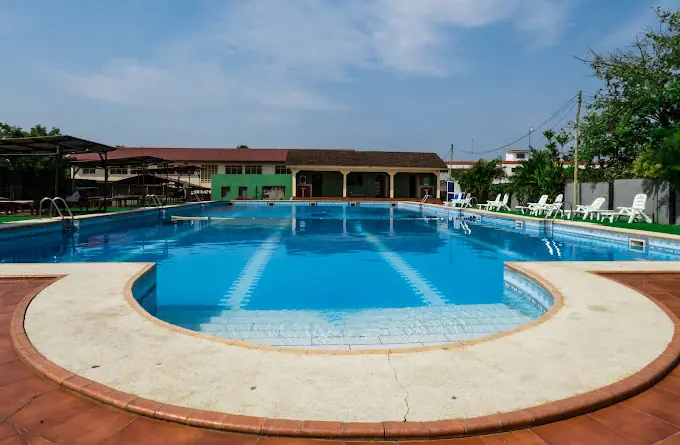
The experience extends well beyond the water. An on-site restaurant and bar serve refreshments throughout the day, while a resident DJ keeps the atmosphere lively with music that encourages guests to linger a little longer.
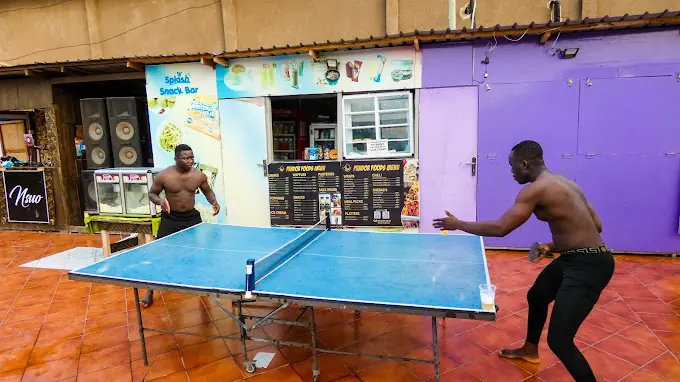
As daylight fades, the venue takes on a different energy, hosting evening events that transform the space into a social hub for Accra’s nightlife crowd.
For visitors planning a trip, entry is refreshingly straightforward. A GHS 50 admission fee includes access to the swimming pools and changing room facilities, allowing guests to settle in for an afternoon of swimming, dining and unwinding.
In a city known for its energetic pace, Splash Social Center offers something refreshingly simple: a clean, welcoming place where cooling off and catching up with friends go hand in hand.
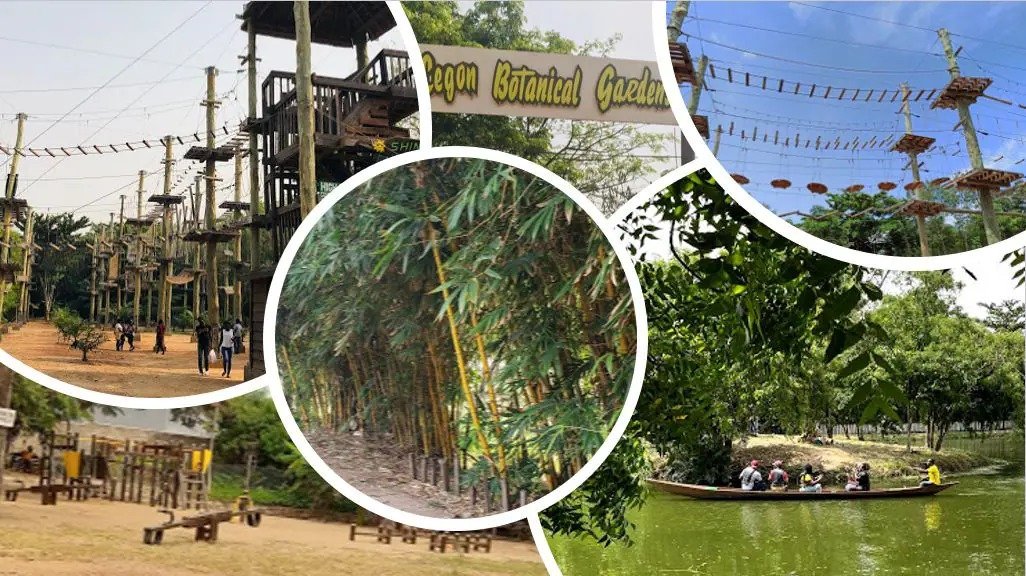
A few minutes can make all the difference in Accra. One moment you’re surrounded by busy roads and constant movement; the next, you’re gliding across a lake, cycling beneath tall trees, or stepping onto a canopy walk high above the ground.
That contrast is what makes Legon Botanical Gardens one of the city’s most rewarding outdoor escapes.
Located beside the University of Ghana in Legon, the gardens have evolved into more than a traditional botanical park.
They offer a rare combination of adventure and quiet reflection, making the space appealing to families, couples, solo travellers and groups of friends looking to experience a different side of Ghana’s capital.
Visitors who enjoy active days can rent bicycles and explore the network of cycling trails that wind through the grounds.
The adventure continues with rope courses and the popular canopy walk, where elevated pathways provide a fresh perspective of the gardens’ lush surroundings.
Those seeking a slower pace will find plenty to enjoy as well. The lake creates a peaceful setting for canoeing or a relaxing fishing session, offering a welcome break from the city’s fast rhythm.
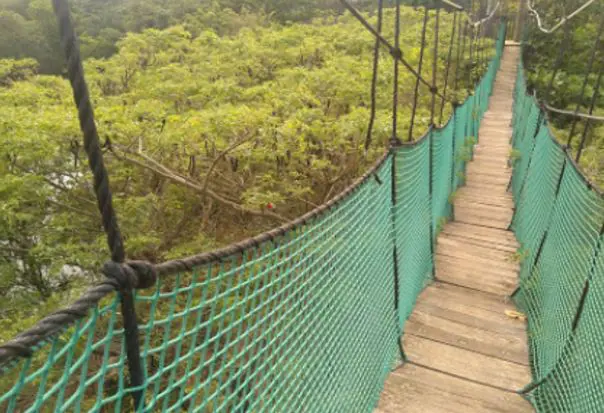
It’s this balance of excitement and calm that gives the gardens their broad appeal, allowing visitors of different ages and interests to share the same space without feeling rushed.
With entry fees starting from GHS 15—while activities are priced separately—the gardens offer an accessible day out for many visitors.
For travellers eager to explore even more of Ghana’s green spaces, the Aburi Botanical Gardens, about an hour’s drive from Accra, provide another scenic option.
But for those staying in the capital, Legon Botanical Gardens proves that sometimes the best getaway is closer than expected.
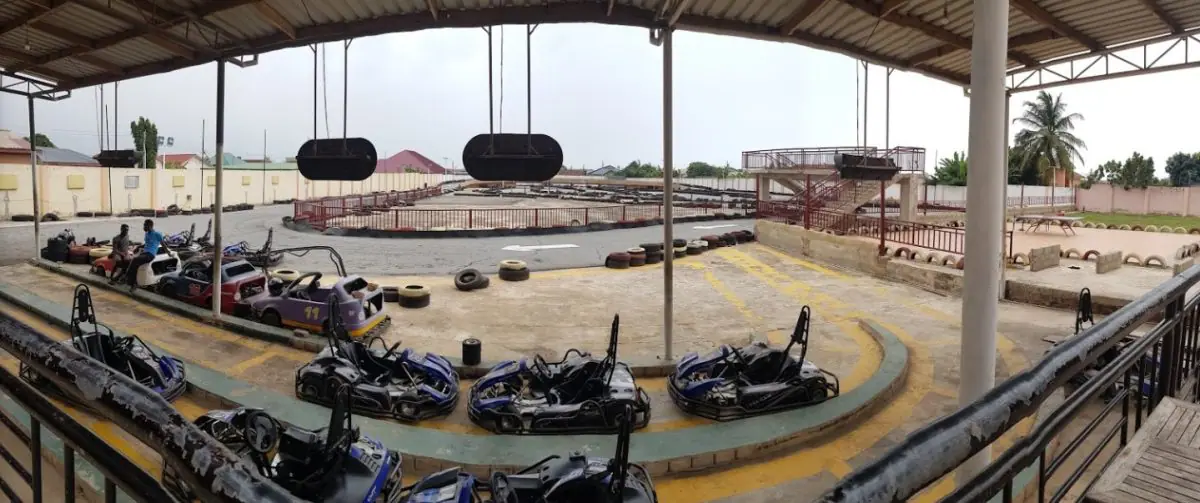
The first thing you notice at House Party Go-Karts is the sound—a burst of laughter followed by the whine of engines cutting through the afternoon air.
Tucked away in Bortianor, just off Accra’s Kokrobite Beach Road, this outdoor entertainment hub has become the kind of place where a friendly race can quickly turn into an unforgettable day out.

For visitors exploring Ghana beyond the city’s museums and markets, House Party Go-Karts offers a different side of Accra: one built around recreation, music, and shared experiences.
The venue gained an extra dose of pop-culture appeal after appearing in Kuami Eugene’s hit “Angela” music video, giving fans another reason to recognise its colourful setting.
The main attraction is the outdoor go-kart track, designed for everyone from first-time drivers to competitive racers eager to shave seconds off their lap times.
The experience is fast-paced without feeling intimidating, making it a popular choice for families, couples, and groups of friends.
Away from the track, the entertainment continues. An indoor arcade blends classic and modern games, while the on-site restaurant offers a relaxed space to recharge with local and international dishes after the adrenaline rush.
Open daily from 12:00 p.m. to 10:00 p.m., the venue is well positioned for an afternoon adventure that can stretch into the evening.

Better still, its location near Bojo Beach makes it easy to combine a seaside escape with a few laps around the circuit.
With weekday sessions starting at GH¢80 and weekend sessions at GH¢100, House Party Go-Karts proves that some of Accra’s best memories are made not by standing still, but by chasing the next corner.



-

 Ghana News2 days ago
Top Headlines From Ghanaian Newspapers: Monday, Sept. 7, 2026
-

 Ghana News21 hours ago
Top Headlines From Ghanaian Newspapers: Tuesday, Sept. 8, 2026
-

 Ghana News20 hours ago
How Ghana’s Government Pressured MTN, Telecel, and AirtelTigo to Cut Data Prices
-

 Ghana News2 days ago
Ghanaian Vaccine and Medicine Manufacturers Get Ready Market After NVI Clinches Historic Deal to Sell to Africa’s Bulk Buying Group
-
 Taste GH2 days ago
Tubaani Beans: Northern Ghana’s Hearty Answer to Rice and Beans
-

 Festivals & Events2 days ago
Lagos Meets Accra: Zephans & Co Brings Summer Style to the City
-
 Arts and GH Heritage1 day ago
The Stories We Live With: Inside Nubuke Foundation’s Weight of the Ordinary
-

 Ghana News20 hours ago
Buckingham Palace Responds to Jamaica’s $10 Billion Reparations Demand, But the UK Government’s Wallet Remains Shut