
Homes & Real Estate
The New Face of Real Estate in Ghana Starts With Students and Small Capital


In Ghana’s fast-rising property market, real estate is often seen as a game reserved for wealthy developers, landowners, and investors with deep pockets.
For many young people navigating expensive rents, unemployment pressures, and rising living costs, the idea of entering the industry can feel impossibly distant.
But according to Kelvin Nyame, the future of real estate may belong to young entrepreneurs who understand how to think creatively rather than simply spend heavily.
Speaking at the Health and Wealth Conference organised by the Young Champions Global Network, the Meqasa CEO challenged the traditional belief that property investment begins with owning expensive buildings in Accra.
Real Estate Beyond High-Rise Buildings
For years, Ghana’s real estate conversation has focused heavily on luxury apartments, gated communities, and prime urban land.
Yet the country’s housing deficit continues to grow, while access to affordable housing remains a major challenge for young professionals and students.
Nyame believes the next generation should pay attention to smaller, collaborative opportunities hidden within the broader property ecosystem.
One example is fractional farmland ownership. Instead of waiting decades to purchase expensive urban property, groups of young people can pool resources to acquire affordable land outside major cities. In areas surrounding Accra and other growing towns, land values continue to appreciate as urban expansion spreads outward.
The model is practical for a generation with limited savings. Land can be leased for farming, held for future development, or sold later at a higher value.
More importantly, it introduces young investors to property ownership without the crushing financial barriers commonly associated with the sector.
Solving Ghana’s Rent Crisis Creatively
Nyame also highlighted a reality many Ghanaians know too well: rent advance payments remain one of the country’s biggest housing burdens.
In some cases, tenants are expected to pay two years’ rent upfront before securing accommodation.
Rather than seeing this only as a problem, he sees business potential in real estate finance models designed around smaller community lending systems.
Student groups or youth cooperatives, for instance, could create rotating funds that help members manage rent advances through structured repayment systems.
The concept mirrors microfinance strategies already successful in other sectors of Ghana’s economy.
The Hidden Businesses Around Property
Real estate, Nyame argues, is also about everything surrounding the home. Furniture sourcing, interior styling, artisan craftsmanship, and digital property services are increasingly becoming profitable extensions of the housing market.
As global design trends spread through platforms like Pinterest and Instagram, young entrepreneurs have opportunities to connect local carpenters and craftsmen with modern consumers searching for affordable but stylish home décor.
For Ghana’s youth, the lesson is becoming clearer: entering real estate no longer requires owning skyscrapers. Sometimes it begins with land shared among friends, a creative financing idea, or simply connecting people to better living spaces.
And in a country where urban growth continues at speed, those small ideas could become the foundations of the next major property empire.

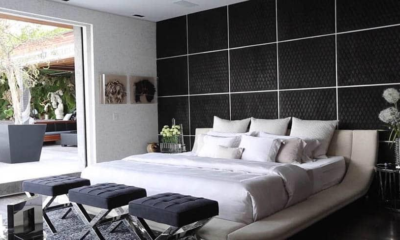

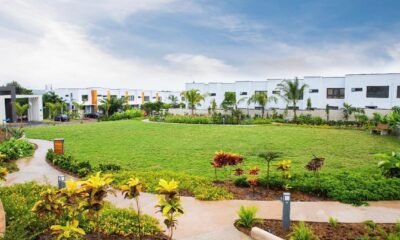

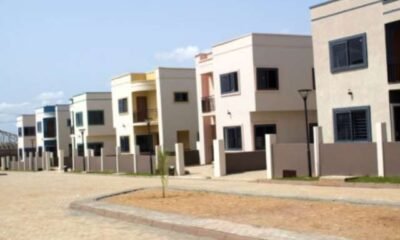

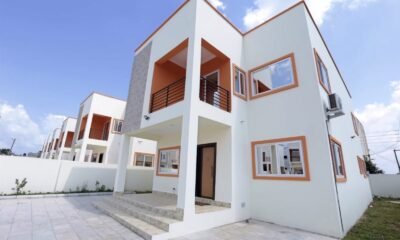



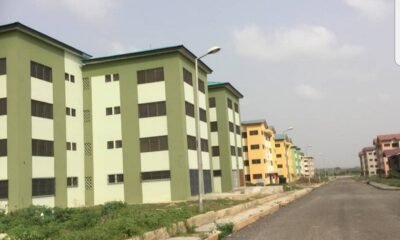

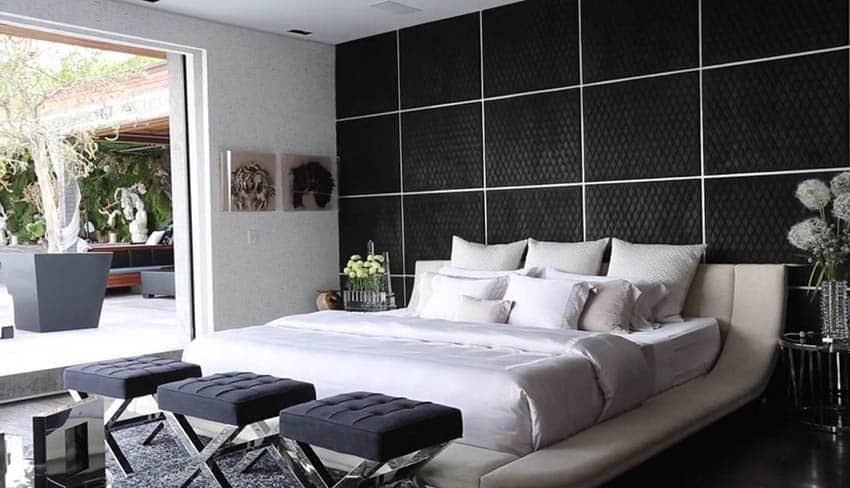
In Ghana’s property market, not every home upgrade requires knocking down walls or spending thousands of cedis. Sometimes, the quickest way to increase a home’s appeal starts with a paint roller.
As housing costs continue to rise and homeowners look for affordable ways to refresh their spaces, interior paint has become one of the simplest improvements with the biggest visual payoff.

Whether preparing a property for tenants, updating a newly purchased home, or giving a family house a new identity, colour is increasingly shaping how Ghanaians experience their living spaces.

Colour as a Property Asset
A living room is often the first space visitors or potential tenants judge, making colour choice more than a decorative decision.

Clean whites remain a favourite because they brighten smaller rooms and create a versatile backdrop for furniture and artwork.
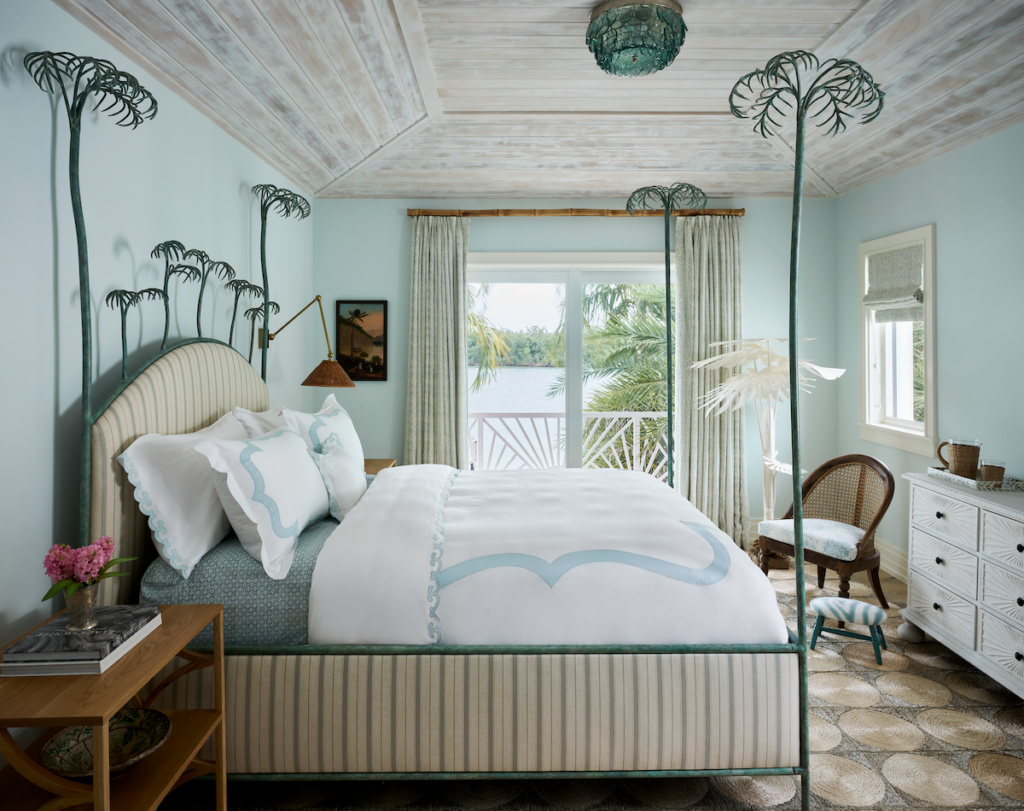
Soft greys offer a contemporary finish that appeals to buyers seeking modern interiors, while blues and greens introduce warmth without overwhelming a space.
These choices reflect a growing shift in Ghana’s urban housing market, particularly in areas such as East Legon, Tema, and Oyarifa, where buyers increasingly expect move-in-ready interiors.
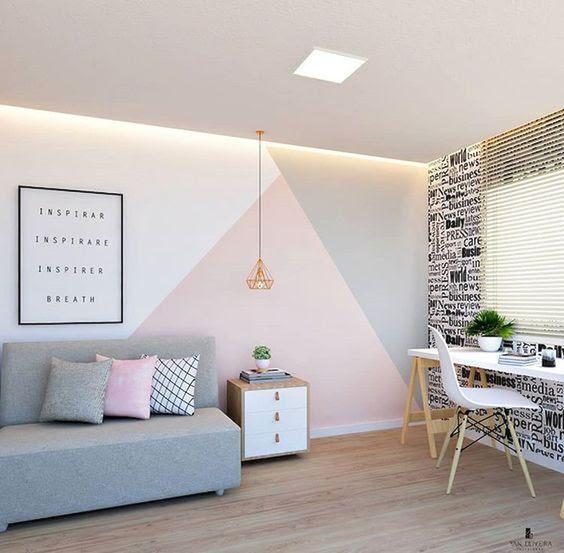
Designing for Everyday Living
Paint also influences how people live inside their homes. Light peach tones can make shared family spaces feel more welcoming, while yellow works well in rooms that receive limited natural light.
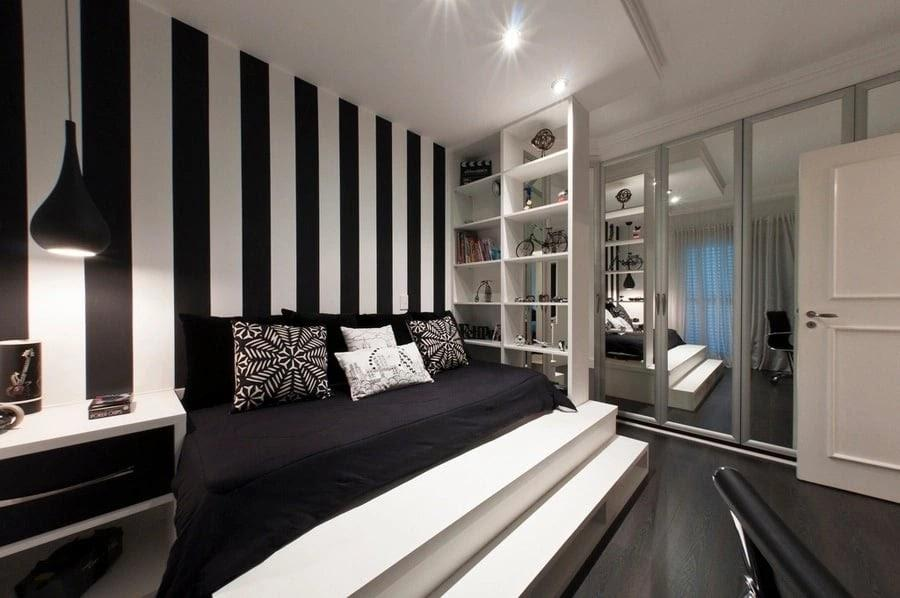
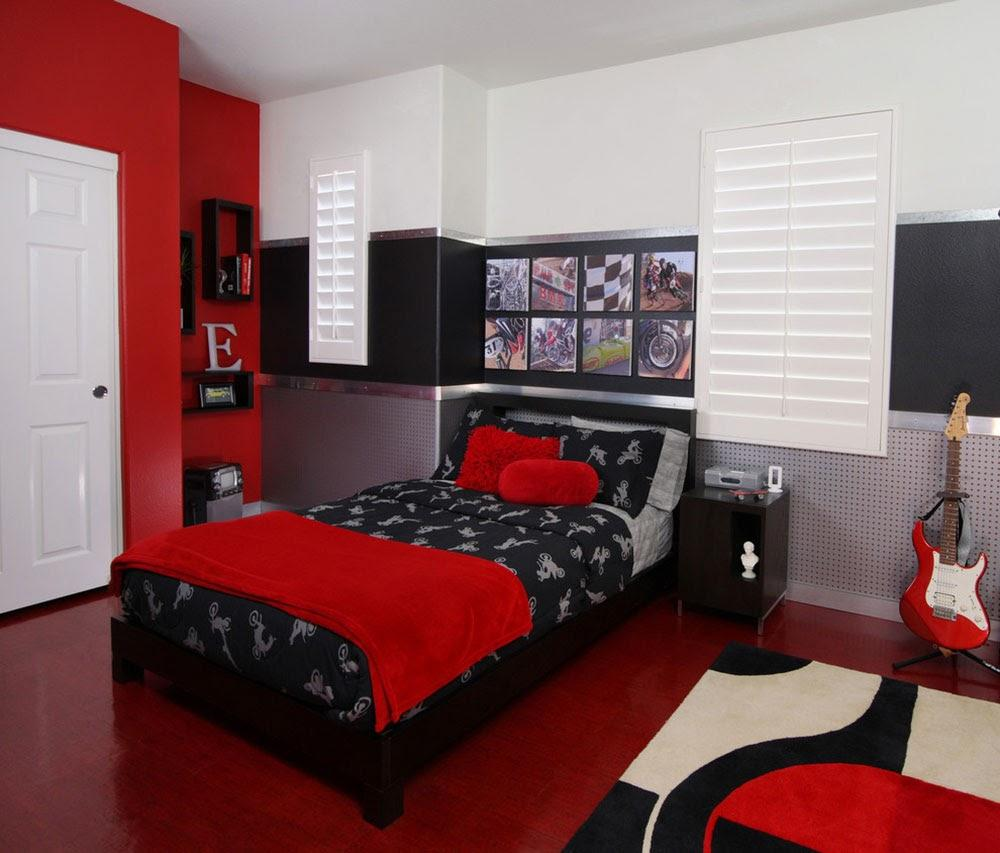
Two-tone walls and striped feature walls have become practical ways to add character without expensive renovations.
Bedrooms tell a similar story. Neutral palettes paired with wood furniture create timeless spaces, while textured finishes such as sponging or faux marble effects allow homeowners to personalise rooms without major construction.
A Small Change With Lasting Value
For landlords, fresh paint can help attract tenants faster. For homeowners, it is one of the most cost-effective ways to protect walls while giving a property renewed life.
As Ghana’s housing market continues to evolve, paint is proving that improving a home is not always about building bigger. Sometimes, the smartest investment is simply choosing the right colour.
Homes & Real Estate
How to Capitalise on the $7.8 Billion Diaspora Cash Fueling Ghana’s Real Estate Boom
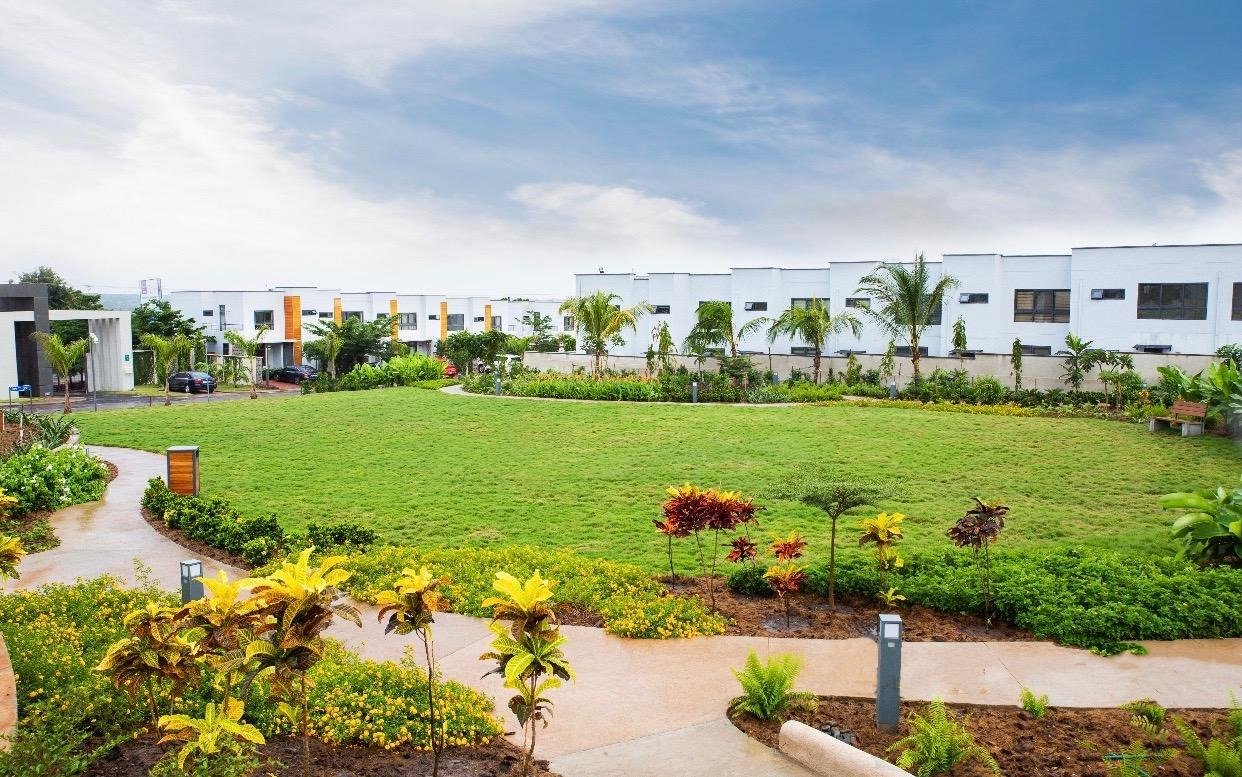
For the Ghanaian saver, the past few years have been a test of faith. Between the distress of struggling savings and loans companies, the volatility of the stock market, and the fluctuating yields of treasury bills, the hunt for a stable, tangible asset has been relentless.
While many have been burned, a growing number of investors are turning to a centuries-old strategy: bricks and mortar.
As the saying goes, “Don’t wait to buy real estate, buy real estate and wait.” This adage has never been truer for Ghana, where the property market is entering what analysts describe as its most favourable financing environment in nearly a decade.
The Irresistible Allure of “Buy-to-Let”
The most accessible entry point for a new investor is the “buy-to-let” model. By securing a property in a prime location from a reputable developer, you open the door to a tripartite stream of income.
First, there is Rental Income. With the current economic landscape, experts project residential rental yields to range between 7% and 12%. Second, there is Capital Appreciation—the natural increase in property value.
With Accra’s high-demand areas seeing price rises of up to 12% in 2025, and forecasts suggesting a further 10-15% increase this year, your asset grows while you sleep.
Finally, due to the dollar-denominated nature of much of the market, Currency Appreciation offers a hedge against local inflation, preserving the value of your investment .
A Market Driven by Demand, Not Speculation
Unlike volatile bonds, the Ghanaian real estate market is anchored in a stark reality: a housing deficit estimated at nearly 2 million units. With rapid urbanisation bringing thousands into Accra, Kumasi, and Takoradi annually, the demand for housing is insatiable.
This is further fuelled by a massive injection of diaspora cash. With remittances hitting approximately $7.8 billion in 2025, many Ghanaians abroad are viewing property as the ultimate hedge against global uncertainty.
Navigating the Risks
However, the landscape is not without its hurdles. The market’s resilience is partially due to the high cost of construction, driven by inflation and reliance on imported materials.
Furthermore, the risk of choosing the wrong developer cannot be overstated. As any seasoned investor will tell you, a cheap property in a location without tenant demand is a recipe for disappointment.
Despite these challenges, the case for real estate remains compelling. Whether through direct ownership or emerging structures like Real Estate Investment Trusts (REITs), the sector offers stability, tax advantages, and a tangible asset that continues to weather economic storms
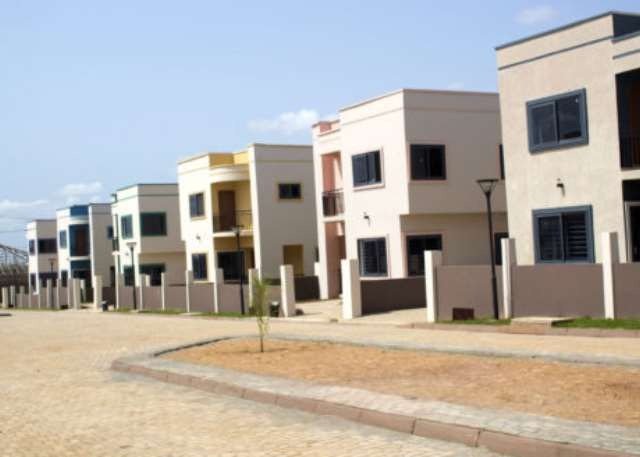
A plot of land in Ghana can become a family home, a rental business or a long-term investment. It can also become the source of years of legal disputes if the paperwork is ignored.
As interest in Ghana’s property market grows among locals, the diaspora and foreign investors, one lesson continues to stand out: the best real estate investment begins long before money changes hands.
A Market That Keeps Drawing Investors
Ghana’s real estate sector has evolved into one of the country’s most resilient investment spaces.
Growing cities, an expanding middle class and continued demand for housing have kept residential apartments, office buildings and commercial properties in focus.
Unlike industries that require specialised expertise or massive capital, property investment offers several entry points, from buying land to purchasing an income-generating building.
Rental demand remains strong, driven by families, professionals, students and expatriates looking for accommodation in cities such as Accra, Kumasi and Takoradi.
The First Rule: Verify Before You Buy
One of the biggest risks in Ghana’s property market is buying from the wrong seller. Land ownership can involve customary authorities, families, private owners or government institutions, making verification essential before any payment is made.
Experienced buyers typically conduct a title search through the Lands Commission, engage a lawyer to review agreements and confirm that there are no competing ownership claims. Those steps may involve extra costs, but they can prevent far more expensive disputes later.
Understanding Ghana’s Land System
Many first-time investors are surprised to learn that much of Ghana’s land is held under leasehold arrangements rather than permanent ownership.
Lease periods vary depending on the buyer’s status and the type of land, making it important to understand the terms before signing a contract.
Undeveloped land may also come with timelines for construction, encouraging development while reducing prolonged disputes over idle plots.
Patience Pays Off
Real estate rarely delivers overnight wealth. Properties appreciate gradually, while rental income often becomes the strongest long-term reward. Investors must also budget for maintenance, taxes and registration costs.
For Ghanaians building generational wealth and international buyers looking at West Africa’s growing markets, the lesson is straightforward.
A successful property investment is not measured by how quickly a deal closes. It is measured by how carefully every step is taken before the keys—or the land documents—change hands.


The Hidden Brain Benefit of Strength Training After 30

Cedi Fears, Courtroom Drama, and a Viral Escape: Inside Ghana’s Wildest Social Media Day

Diplomatic Row: President Mahama and Israeli Ambassador Lock Horns Over Gaza
-

 Ghana News2 days ago
Ghana Selected Among Eight Pilot Partners for WHO’s Global Clinical Trial Standards
-

 Sights and Sounds2 days ago
Nine Hours That Changed the Gold Coast: The Legacy of the Battle of Katamanso
-

 Ghana News16 hours ago
Top Headlines From Ghanaian Newspapers: Thursday, August 27, 2025
-
Ghana News2 days ago
Top Headlines From Ghanaian Newspapers: Wednesday, August 26, 2025
-

 Health & Wellness20 hours ago
Your Calves Are Your Second Heart: The Travel Health Risk Too Many People Ignore
-
 Ghana News15 hours ago
Diplomatic Row: President Mahama and Israeli Ambassador Lock Horns Over Gaza
-

 Festivals & Events2 days ago
Beyond the Hype – Next Level Is Bringing Ghana’s AI Future to Life at Google Accra
-

 Arts and GH Heritage20 hours ago
The Tower of Discarded Things: How Teshie Turns Letting Go into a Festival Ritual