
Health & Wellness
Which Running Metric Actually Leads to Better Results?


For many runners, the daily training ritual begins not with a step, but with a decision: am I running until the watch hits 40 minutes, or until the GPS marks five kilometers?
While it seems like a simple choice of measurement, the distinction between training for time versus distance is the thin line between a sustainable fitness journey and an early onset of burnout.
In the rapidly evolving fitness landscape of Accra and beyond—where professionals juggle high-pressure desk jobs with the desire for peak physical health—the “mileage-first” approach has long dominated.
Influenced by generic internet plans, beginners often fixate on hitting specific distance milestones to prepare for 5Ks or marathons. However, as modern sports science and coaching suggest, the clock might be a more forgiving and effective partner than the odometer.
The Case for the Clock
Training for time offers a psychological and physiological buffer that distance-based goals often lack. For the busy urban professional, a 45-minute run fits neatly into a lunch break or a pre-commute window. There is a definitive finish line that respects your schedule, fostering a sense of accomplishment rather than the stress of “squeezing in” a specific distance when energy levels are low.
More importantly, time-based training prioritizes Rate of Perceived Exertion (RPE) and heart rate zones. On a day when the West African heat is particularly intense or when work stress has spiked your cortisol, a “40-minute easy run” lets you listen to your body and slow down. In contrast, forcing a specific distance at a predetermined pace on a “bad” day can lead to overtraining and injury.
Precision Through Distance
As the racing season approaches, however, the “where” and “how fast” become unavoidable. Distance-based training is the tool of precision.
It is essential for building the neuromuscular memory required to maintain a specific race pace.
Expert coaches often recommend a seasonal shift: use the “building season” to focus on time and strength, then transition to distance-based intervals as the goal race nears.
For a runner targeting a sub-19-minute 5K, the training must eventually evolve into specific track work—such as $12 \times 400$ meter repeats—to condition the body for the exact demands of the distance.
Finding the Hybrid Balance
The most effective training regimes don’t choose a side; they use both. Distance-based workouts provide the intensity, goal-setting, and motivation needed for peak performance.
Meanwhile, time-based runs allow for recovery, fitness maintenance, and the mental “reset” necessary to stay in the sport long-term.
Ultimately, the best metric is the one that keeps you moving. For those balancing the digital grind with the pavement, alternating between the freedom of the clock and the discipline of the mile offers a path to both a faster race time and a healthier lifestyle.












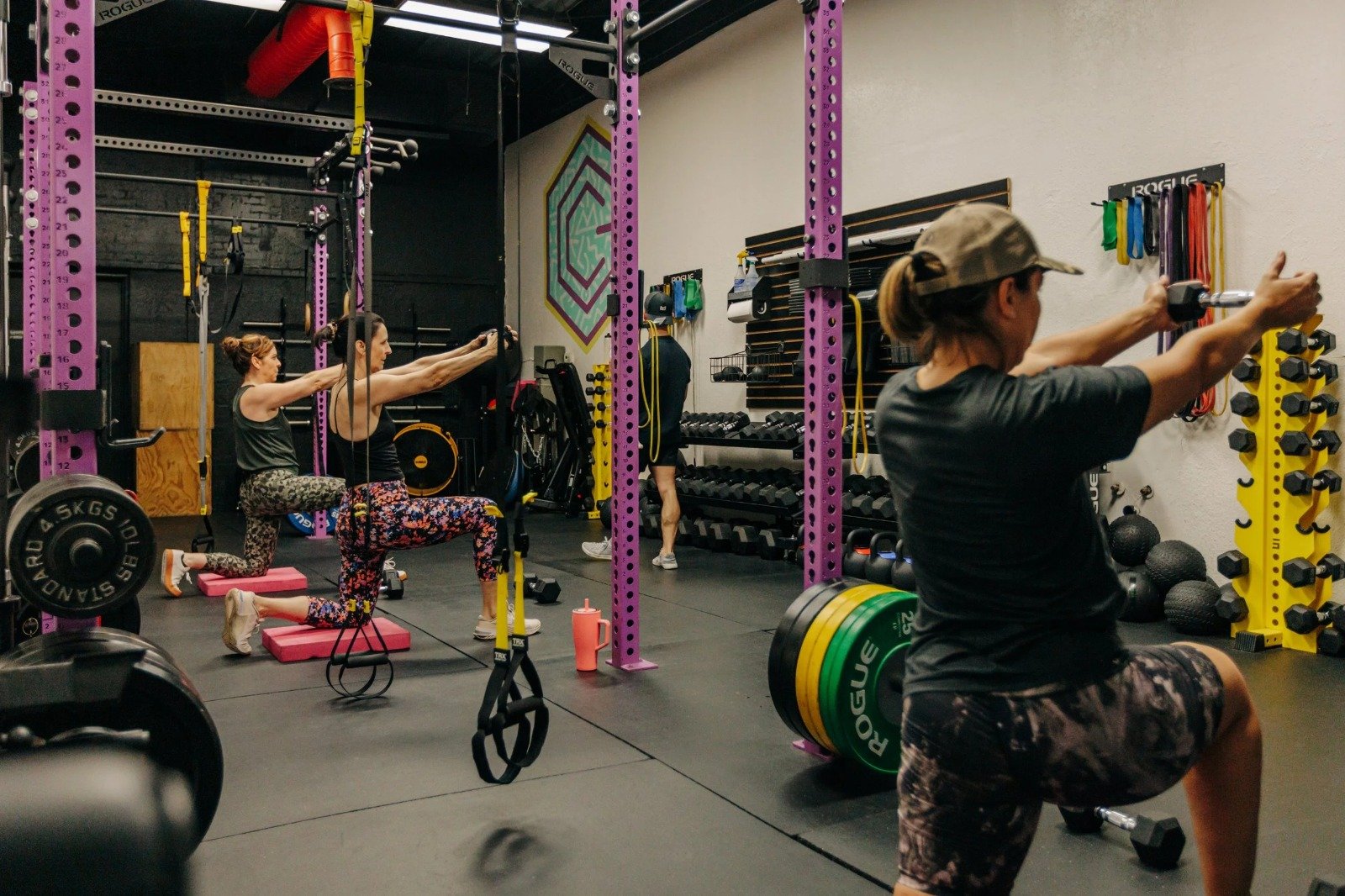
The quickest way to lose weight is often the quickest way to gain it back.
From detox teas to waist trainers and fat-burning pills, the promise is always the same: less effort, faster results.
Yet the people who keep weight off for years usually rely on something far less exciting. They build habits that still make sense six months later.
Build the Habits That Actually Change Your Body
One of the most overlooked shifts is moving from “losing weight” to “changing body composition.”
That is where strength training earns its reputation. Lifting weights helps preserve and build muscle while reducing body fat, making it especially valuable for adults as muscle naturally declines with age.
Nutrition matters just as much, but not because every meal has to be perfect. A moderate calorie deficit—eating slightly fewer calories than your body uses—remains one of the most reliable ways to lose weight. For many Ghanaians, that could mean keeping beloved foods like waakye, banku or jollof on the menu while paying closer attention to portions rather than banning entire food groups.
Sleep deserves more credit than it gets, too. Poor sleep can make hunger feel louder, energy feel lower and workouts feel harder, turning healthy intentions into a daily struggle.
Choose Consistency Over Hype
Healthy living rarely looks dramatic. It looks like packing tomorrow’s lunch, taking a walk after dinner, lifting weights a few times a week and getting enough rest to do it again.
The best fitness plan is not the one that promises the fastest transformation. It is the one you are still following long after the excitement wears off.

Three months feels like a long time when you’re waking up early to walk, choosing water over soft drinks, or sweating through gym sessions.
Yet for the body, 12 weeks is often just the beginning.
One of the biggest myths in fitness is that results should arrive quickly.
Social media fuels that expectation with dramatic before-and-after photos, but real health changes follow a slower timetable.
Muscles grow gradually, cravings soften over months, and a better sleep routine can take weeks before it feels natural.
Why Consistency Beats Speed
Think about someone in Accra who starts taking brisk evening walks after work or a student replacing sugary snacks with fruit during lectures.
The first few weeks can feel frustrating because the effort seems bigger than the reward. That doesn’t mean nothing is happening.
Research on habit formation suggests that behaviours become more automatic through repeated practice rather than overnight determination. At the same time, healthier eating can begin improving cholesterol, blood sugar, and other markers long before the mirror tells the same story.
This shift in perspective matters. Chasing rapid transformation often leads people to quit just as meaningful progress is building beneath the surface.
Give Your Future Self More Time
The healthiest people are rarely those who found a secret shortcut. They’re the ones who kept showing up after the excitement faded.
Instead of asking, “Why haven’t I changed yet?” try asking, “Am I still giving my body the time it needs?”
Health is less like flipping a switch and more like planting a tree. The strongest growth happens quietly before everyone else notices.
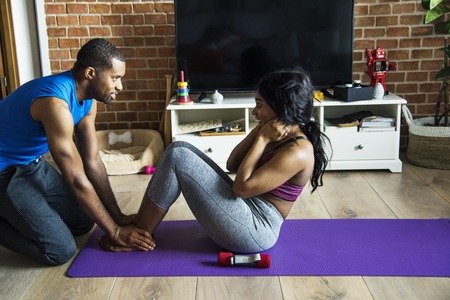
If you’ve been counting sit-ups instead of seeing results, the problem may not be your effort—it may be your strategy.
One of the biggest fitness myths is that doing endless crunches will melt away belly fat. Sit-ups strengthen the abdominal muscles, which matters for posture, balance and everyday movement.
The catch is that stronger abs don’t automatically become visible if they’re still covered by body fat.
Strength Is Only Part of the Picture
Think of your abdominal muscles like a sculpture behind a curtain. You can make the sculpture stronger, but the curtain still has to move before its shape becomes visible.
That’s why fitness experts increasingly encourage a wider approach: combine resistance training with regular movement, enough protein to support muscle, and an eating pattern you can maintain consistently.
These habits help create the conditions for losing body fat across the body, rather than trying to target one stubborn area.
The conversation around brown fat has also attracted attention. Brown fat burns energy to produce heat, while white fat mainly stores energy.
Scientists are exploring ways brown fat activity can influence metabolism, but there’s no proven shortcut that reliably turns white fat into brown fat through fasting alone in everyday life.
Build a Body That Works, Not Just One That Looks Good
For someone in Accra squeezing in a quick workout before work or a parent exercising between family responsibilities, this is good news. You don’t need hundreds of sit-ups to make progress.
Train your core, walk more, lift weights a few times each week, eat enough protein, and be patient.
The visible changes often follow the healthy habits—not the other way around.


The Guns Turned Inward: Niger’s Mutiny and Russia’s Fragile Bargain in the Sahel | By Joseph McCarthy

Game-Changing Move: Ghana Sets Up New Fiscal Council to Scrutinize Government Spending and Win Back Investors

Ghana’s Persistence Pays Off: AU Formally Commits to Tabling Xenophobia Petition in January 2027
-

 Ghana News2 days ago
Top Headlines From Ghanaian Newspapers: Tuesday, Sept. 8, 2026
-

 Ghana News2 days ago
How Ghana’s Government Pressured MTN, Telecel, and AirtelTigo to Cut Data Prices
-

 Arts and GH Heritage2 days ago
The Stories We Live With: Inside Nubuke Foundation’s Weight of the Ordinary
-
 Ghana News15 hours ago
Ghana’s Persistence Pays Off: AU Formally Commits to Tabling Xenophobia Petition in January 2027
-

 Ghana News2 days ago
Buckingham Palace Responds to Jamaica’s $10 Billion Reparations Demand, But the UK Government’s Wallet Remains Shut
-

 Ghana News16 hours ago
Top Headlines From Ghanaian Newspapers: Wednesday, Sept. 9, 2026
-

 Africa Watch2 days ago
British-Nigerian Influencer Dies After Penis Enlargement Procedure in Thailand
-
 Ghana News15 hours ago
Game-Changing Move: Ghana Sets Up New Fiscal Council to Scrutinize Government Spending and Win Back Investors