
Tourism
Will You Join? Cruise Company Offers Americans a 4-Year ‘Skip’ Through Trump’s Term


A Florida-based residential cruise company is offering Americans a literal way to sail through Donald Trump’s second presidential term: a four-year “Skip Forward” world voyage that visits 425 ports across 140 countries while minimizing time spent in the United States.
Villa Vie Residences launched the package shortly after the 2024 election, allowing passengers aboard the 485-cabin MV Odyssey to hop on and off at any port for flexible long-term travel.
The full four-year option starts at less than $40,000 per year per person (double occupancy), with total costs ranging from $159,999 (double) to $255,999 (single) for the entire duration.
Shorter segments include a one-year “Escape from Reality,” two-year “Mid-Term Selection,” and three-year “Everywhere but Home.”

The itinerary covers all seven continents, with extended focus on the Caribbean, South America, Antarctica, South Pacific, Australia, Asia, Europe, and Africa. U.S. stops are limited to brief calls in Hawaii, California, and Seattle (already completed in mid-2025).
The ship’s shallow draft allows docking in inland waterways and city centers, offering unique access for cultural immersion.
All-inclusive amenities include meals, housekeeping, high-speed internet for remote work, and a community of like-minded travelers—many of them retirees, digital nomads, and adventure seekers.
CEO Mikael Petterson insists the offering is apolitical: “This isn’t about politics; it’s a luxury escape and an affordable alternative to rising land-based costs in many U.S. cities.”
Despite the neutral proposals, the timing and naming (“Skip Forward,” “Mid-Term Selection”) have sparked widespread online debate.
Social media reactions range from humorous memes (“Don Voyage!”) to sharp class critiques (“Only the people who voted for this can afford to leave it”). Some see it as a privileged form of escapism; others praise the concept of perpetual travel in an uncertain world.
As of February 12, 2026, the Odyssey is sailing along the east coast of Australia en route to Townsville, Queensland. The four-year package remains available for those seeking distance—literal and figurative—from U.S. politics.
Whether viewed as clever marketing, bold escapism, or a sign of deeper societal divides, the “Skip Forward” cruise has captured global attention. Would you board? Drop your thoughts in the comments.


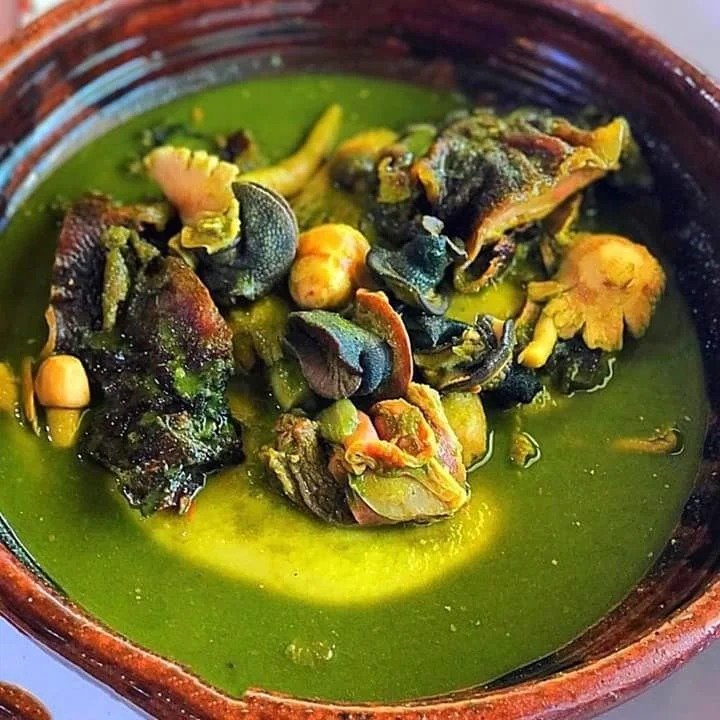
One glance at Ebunuebunu and you understand why Ghanaians call it one of the country’s most beautiful soups.
Its striking emerald-green colour arrives at the table steaming beside a generous mound of fufu, promising a meal that is as comforting as it is deeply rooted in tradition.
Also known as Abunuabunu, this beloved Akan soup transforms humble cocoyam leaves—locally called kontomire—into something unforgettable.
The leaves are blended into a silky base, often alongside turkey berries, creating a soup that is earthy, fresh and slightly herbaceous.
In some homes, spinach stands in when cocoyam leaves are unavailable, but the soul of the dish remains the same.
The aroma is unmistakably Ghanaian. Local spices mingle with smoked fish, snails or tender lamb, each ingredient adding its own layer of richness.
Smoked fish brings a deep savoury character, snails offer a pleasantly chewy bite, while lamb creates a hearty finish that makes the soup especially satisfying.
Turkey berries cut through the richness with a gentle bitterness that gives Ebunuebunu its distinctive balance.
The soup’s appeal goes beyond flavour. Cocoyam leaves are valued for their vitamins and minerals, while turkey berries have long been celebrated in Ghanaian kitchens for their nutritional qualities. Together, they create a meal that feels nourishing without sacrificing indulgence.
Served piping hot with soft, stretchy fufu, Ebunuebunu is more than lunch or dinner—it’s a gathering dish. It appears at family meals, festive occasions and Sunday tables where conversation lingers long after the bowls are empty.
For first-time visitors to Ghana, it offers a delicious introduction to Akan culinary heritage. For Ghanaians, every spoonful carries the familiar taste of home.

The Battle of Katamanso was not simply a clash of armies. It was the moment when rival communities chose unity over division—and altered the course of the Gold Coast’s history.
In 1826, an estimated 40,000 Ashanti warriors marched south, determined to crush resistance and tighten control over the coast.
Their advance met an unlikely coalition on the plains near Dodowa, where Ga, Fante, Akwamu, Denkyira and other southern forces stood together, backed by British and Danish military support.
What followed was a brutal contest that stretched for hours. The forest became a battlefield of musket fire, cannon blasts and hand-to-hand combat as smoke hung over the trees and both sides paid a heavy price.
By the time the fighting ended, the outcome stunned the region. The Ashanti army, long regarded as one of West Africa’s most formidable military forces, suffered devastating losses, including prominent commanders.
For the Ashanti Kingdom, it marked one of the most painful defeats in its early history and brought its southern advance to a halt.
The consequences reached far beyond the battlefield. The victory strengthened southern alliances, boosted trade around Accra and gave Britain greater influence along the coast.
Political power began shifting toward the coastal settlements that would later play an increasingly important role in Ghana’s colonial story.
Katamanso’s legacy also lives in culture. Oral traditions recall mourning rituals, including hairstyles created to express collective grief, preserving the memory of lives lost long after the weapons fell silent.
Nearly two centuries later, the Battle of Katamanso remains a reminder that history can turn not only on military strength, but on the power of unlikely alliances.
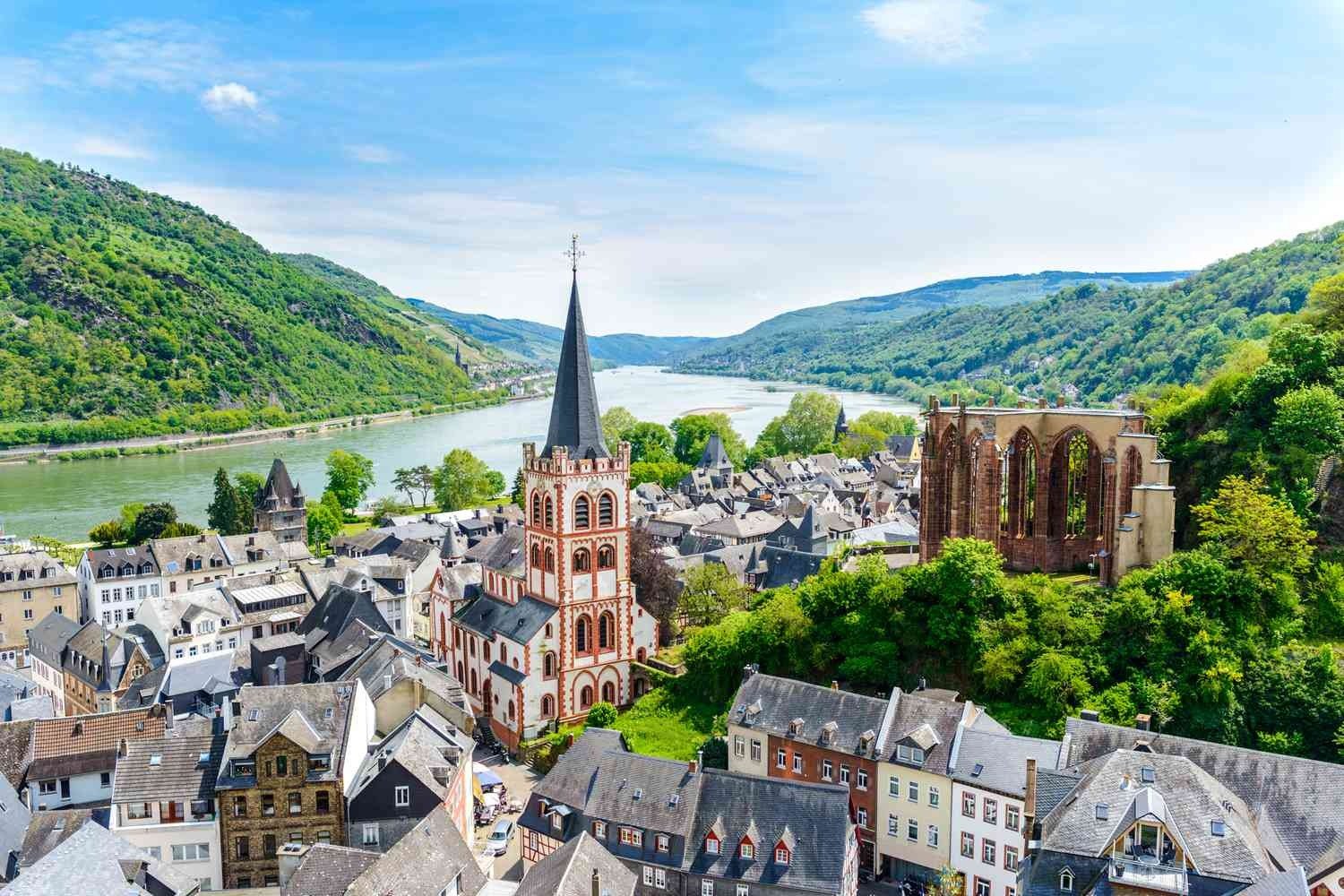
There is a certain kind of magic in waking up somewhere completely unfamiliar. One moment you are falling asleep as a train rolls through the countryside, and the next you are stepping onto a platform in another city without paying for an extra hotel night.
It is one of those simple travel tricks that seasoned Europe explorers swear by, yet many first-time visitors never think to use.
After years of travelling across the continent, experienced travellers are sharing the practical habits that make European adventures smoother, cheaper and more rewarding.
From smarter transport choices to overlooked destinations, these tips prove that seeing more of Europe is not always about spending more money.
One of the biggest money-saving strategies is taking advantage of Europe’s extensive night train network. Countries including Austria, Germany, Italy and parts of Central Europe are connected by overnight rail services that allow passengers to travel while they sleep.
Instead of checking into another hotel, travellers can board an evening train and wake up ready to explore a new destination.
For budget-conscious travellers, including many Ghanaians planning multi-country European trips, this can stretch travel funds considerably while turning the journey itself into part of the experience.
Another surprisingly useful habit is downloading offline maps before arriving. Google Maps allows users to save entire cities or regions to their phones, making navigation possible even without mobile data or a reliable internet connection.
That can be especially helpful when arriving at airports late at night, exploring rural areas or trying to find accommodation in unfamiliar neighbourhoods.
Airport spending is another area where frequent travellers are finding unexpected savings. Those flying through participating European airports can use the Club Avolta app to collect loyalty points while shopping or dining.
The app offers rewards and discounts at selected airport retailers and restaurants, giving travellers extra value on purchases they might already be making during long layovers.
Accommodation is another area where travellers can rethink old assumptions. Staying directly in a city centre often comes with premium prices, but Europe’s public transport systems make nearby towns and suburbs surprisingly practical alternatives.
A short train or tram ride can significantly reduce accommodation costs while offering a quieter, more local experience away from tourist crowds.
Cities like Amsterdam, Paris and Milan all have neighbouring communities that provide easy access without the higher price tag.
Perhaps the strongest recommendation is to look beyond Europe’s most famous hotspots altogether.
Eastern Europe continues to attract travellers looking for a different side of the continent. Countries such as Poland, Romania, Hungary and Bulgaria often combine historic architecture, vibrant local culture and lower travel costs with fewer crowds than destinations like Paris or Venice.
Many visitors describe the region as offering a more relaxed pace, warm hospitality and authentic experiences that are becoming harder to find in Europe’s busiest tourist centres.
As international travel becomes more accessible, especially for Africans exploring Europe for leisure, study or business, these practical travel habits can make a noticeable difference. Sometimes the smartest travel upgrade is not booking a more expensive flight.
It is simply knowing the tricks that experienced travellers wish they had discovered much sooner.



-

 Ghana News1 day ago
‘We Need Factories’: Ato Forson Calls on China to Invest in Ghana’s Industrial Future
-

 Ghana News1 day ago
Government Deploys Military to Mallam in High-Stakes Bid to End Perennial Flooding
-

 Festivals & Events2 days ago
Ahoba Kuma Festival: How the Abura People Keep Their Warrior Legacy Alive
-

 Ghana News1 day ago
Top News Headlines from Ghanaian Newspapers: Tuesday, August 25, 2026
-

 Sights and Sounds2 days ago
Nine Hours That Changed the Gold Coast: The Legacy of the Battle of Katamanso
-

 Fashion & Style1 day ago
The 5 Jeans Every Woman Should Own Before Buying Another Pair
-

 Reels & Social Media Highlights16 hours ago
Bawumia’s 2028 Play, Abena Korkor’s Return, and a Security Alarm
-

 Arts and GH Heritage2 days ago
The Architecture of Grief: Gabriel Selassie Tsagli Paints a Portrait of Home and Loss