
Ghana News
Galamsey’s Toxic Legacy: Apart from the Environmental toll, These Are the Medical and Social Cost of Illegal Mining in Ghana

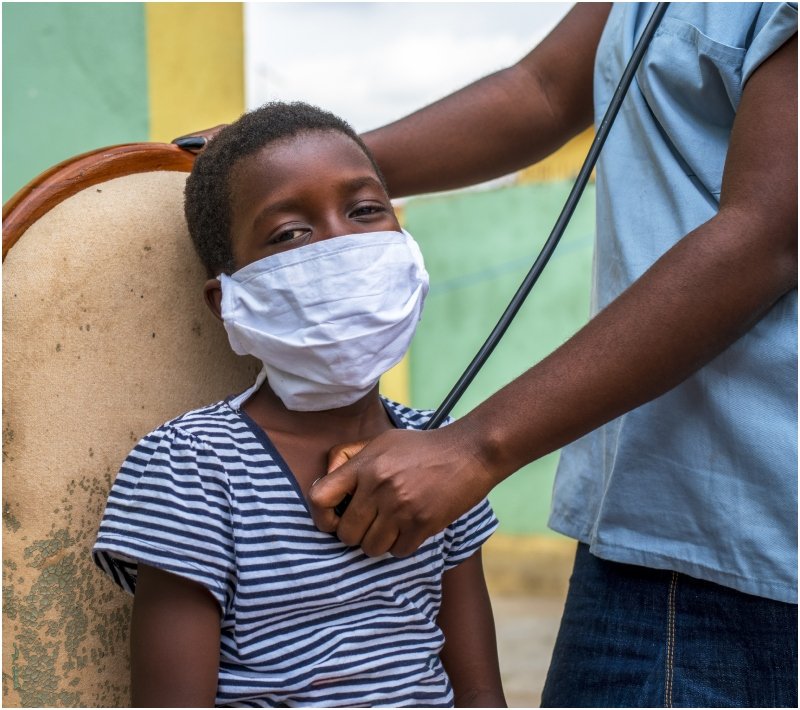
As Ghana grapples with the persistent scourge of illegal small-scale mining, known locally as galamsey, a growing body of evidence reveals a devastating human cost.
Beyond the visible scars on the landscape—polluted rivers and deforested lands—the use of dangerous chemicals like mercury, cyanide, and arsenic is inflicting profound medical and social harms on communities, threatening public health and social fabric across mining regions.
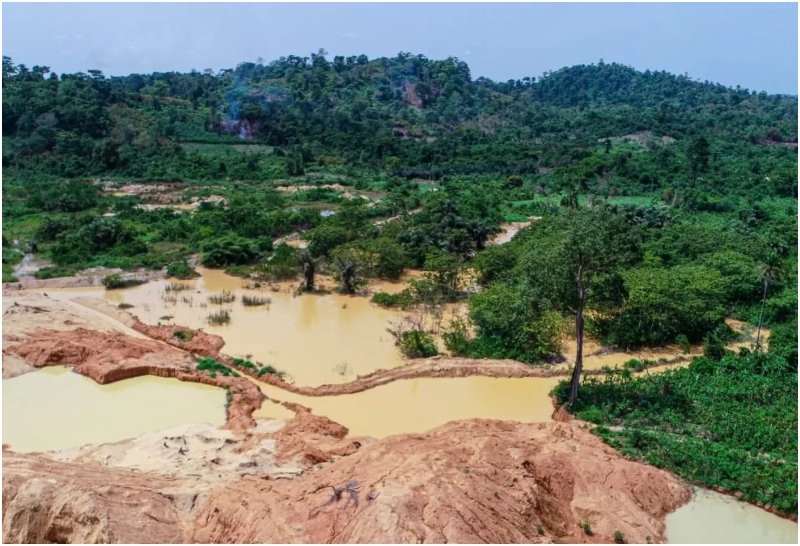
In the Western Region, where galamsey operations have intensified despite government crackdowns, residents like those in Amenfi Central report a surge in health issues linked to chemical exposure.
A 2024 study published in the Journal of Water and Health by IWA Publishing found that illegal mining activities along rivers like the Oda have contaminated water sources with heavy metals, elevating risks of waterborne diseases such as typhoid and cholera. The Coalition Against Typhoid highlighted in 2023 that such pollution disrupts water, sanitation, and hygiene (WASH) systems, leading to outbreaks that disproportionately affect vulnerable populations, including children and the elderly.
Mercury, a staple in gold extraction processes, poses one of the most insidious threats. Research from MDPI’s International Journal of Environmental Research and Public Health (2016, with ongoing relevance) documented elevated mercury levels in water and sediments in districts like Prestea-Huni Valley, resulting in neurological disorders, kidney damage, and mercury poisoning symptoms such as tremors and cognitive impairments.
A CNN investigative report from recent years linked galamsey to increased maternal deaths, miscarriages, and birth defects, with women in mining areas facing heightened risks due to bioaccumulation of toxins in food chains. The report revealed that murky brown toxic wastewater from dozens of unregulated mines now fouls Ghana’s Tano River, a 400-kilometer (248-mile) lifeline that flows into neighboring Ivory Coast and the Atlantic Ocean.
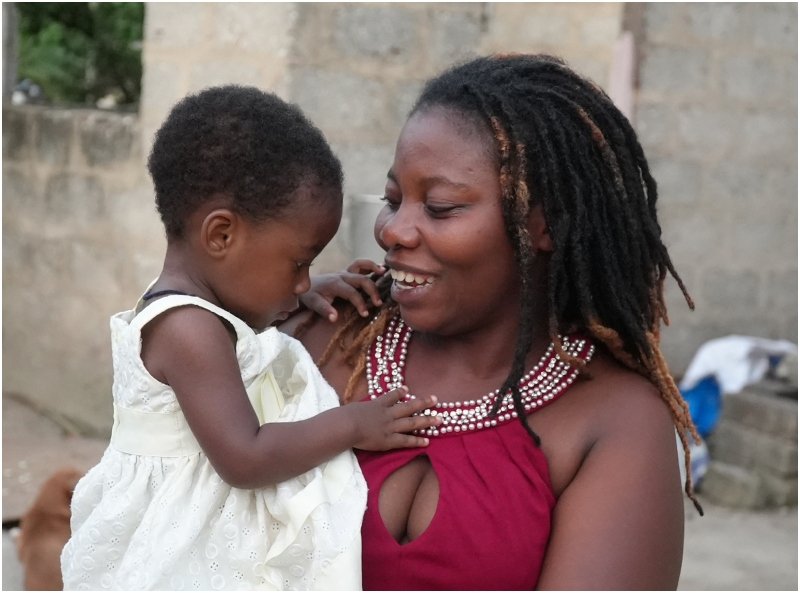
Thirty-eight-year-old Diana Agyeiwaa told CNN the water’s ruin is personal. A nursing mother who once drank from the river and ate its fish, she began to suspect poisoning after developing severe childbirth complications last year. She now keeps her distance, terrified for herself and her infant daughter.
“I fear for my life,” she said. “I fear if I give that water to her, she will die.”
Agyeiwaa, who works at a local radio station, believes her community is suffering in silence:
“I met one woman when she delivered a baby; its nose was half. I’ve seen a lot of deformities in babies.”
The toxic flow shows no signs of stopping, leaving a trail of fear and suspected illness in its wake. PubMed’s 2025 systematic review further connects exposure to fertility issues, including decreased sperm count, motility, and hormonal imbalances in men, alongside ovarian disruptions in women. There have been deformities in newborns linked to the toxicity of the water.
“I met one woman when she delivered a baby; its nose was half. I’ve seen a lot of deformities in babies,” Agyeiwaa told CNN
Arsenic contamination, as detailed in a 2025 study in the African Journal of Toxicology and Environmental Health, exacerbates these woes, causing skin lesions, cancers, and cardiovascular diseases. Scientific Reports (2025) assessed lead and mercury in crops at abandoned galamsey sites, warning of long-term food safety risks that could lead to widespread poisoning. Child laborers, often drawn into the mines, suffer acutely: A 2013 U.S. Department of Labor report, updated with recent data, notes respiratory problems, burns, and itchy eyes from chemical handling, compounding issues like musculoskeletal injuries from hazardous work.
Socially, galamsey’s ripple effects are equally alarming. A 2024 SERVIR West Africa analysis of eastern Ghana’s mining sites revealed high levels of violence, drug abuse, and community fragmentation, fueled by transient workers and economic desperation. The U.N. Department of Economic and Social Affairs (DESA) initiative on restoring polluted areas underscores how chemical runoff erodes livelihoods, displacing farmers and fostering poverty cycles. University of Ghana’s 2023 biennial lecture by the College of Health Sciences decried the ecological devastation, linking it to social unrest and national security threats, as outlined in a DTIC report.
Experts like Dr. Edith Clarke from the Ghana Health Service advocate for stricter enforcement, including drone surveillance as proposed by Western Regional Minister Joseph Nelson. Community-led efforts, such as those by Eco Amet Solutions, aim to raise awareness, but without comprehensive regulation, the cycle persists.
Just like under previous administrations, Ghana is making another push to end the dangerous mining practices and achieve environmental restoration under the current John Mahama administration. But while the country waits to get a full picture of the success of this news push, the human stories — from families mourning lost pregnancies to villages battling chronic illnesses — show the urgent need for action.
Galamsey’s glitter may promise quick wealth, but its toxic shadow endangers generations.









Under the shade of a giant tree in Adaklu, in Ghana’s Volta Region, mothers balance their children on their hips as they wait their turn to be vaccinated.
Among them is 27-year-old Adeline Ahitroga, a mother of four, carrying her seven-month-old twins, a boy strapped to her back and a girl held close to her chest, for their second dose of the malaria vaccine.
“I’m really glad I can protect my twins,” she said. “When my older children had malaria as babies, they would develop a fever and become weak. I was always afraid they could die. As a mother, you just wish you could take the sickness away from them.”
Five years after Ghana became one of the first countries to pilot the malaria vaccine, the program is saving children’s lives, but experts warn that sustaining those gains will depend on reliable financing and continued support for complementary malaria control measures.
A Decades-Long Search for a Vaccine
Malaria, spread through infected mosquitoes, can cause high fever, weakness, and life-threatening complications, particularly in young children. In 2024, malaria killed about 610,000 people worldwide, with Africa accounting for 95% of those deaths—children under five among the hardest hit.
For decades, a vaccine remained elusive, in part because the parasite that causes the disease is complex. That changed in 2021, when the World Health Organization (WHO) recommended wider use of the RTS,S vaccine—the result of more than three decades of scientific research, developed by GlaxoSmithKline and its partners. It targets Plasmodium falciparum, the parasite responsible for the deadliest form of malaria.
At the time, WHO Director-General Tedros Adhanom Ghebreyesus celebrated the milestone: “This long-awaited malaria vaccine is a breakthrough for science, child health, and malaria control.”
Ghana’s Pilot Program Shows Results
Ghana, Kenya, and Malawi were the first countries to pilot the vaccine. In Ghana, it is scheduled at 6, 7, 9, and 18 months of age—meaning health workers must persuade caregivers to return again and again.
In Adaklu, the district health directorate reports that nearly 70% of eligible children have completed all four doses. It also reports that annual malaria cases among children under five have fallen from about 6,000 to 2,000, with no deaths since the vaccine was introduced alongside existing malaria control measures.
Dopea Kulafa, 32, has completed all four doses for her two youngest children, aged four years and 23 months.
“My two children have been doing well since they took the vaccine,” she said. “At first, I was worried about the side effects. But after about three days, they were fine. I gave them paracetamol syrup and they recovered. From my experience, the vaccine is helping my children. And I’d encourage other mothers to get their babies vaccinated.”
Overcoming Hesitancy
Yet health workers face challenges. Emilia Tanyeva, a health worker involved in community outreach in Adaklu, says the task of persuading caregivers to return for multiple doses is becoming more difficult due to suspicions in some areas.
“Some caregivers believe that it’s a way of reducing their population,” she said. “They want to kill their children or wipe out the children that they are giving birth to.”
Others worry the malaria vaccine adds too many injections to their children’s routine immunizations.
The Importance of Completing the Schedule
Inside the Vaccine Research Laboratory at the Noguchi Memorial Institute for Medical Research in Accra, immunology professor Kwejo Asamuakusi explained why completing all four doses is critical.
“If you just do one or two, it will protect you for a few weeks to a few months, and then it’s gone,” he said. “And if at that point you feel like you are vaccinated against malaria, your child in a year’s time could easily succumb to malaria. But doing all the four extends how long that protection lasts for them. So it’s very important that we finish all of it.”
Landmark Study Finds 13% Reduction in Deaths
Since WHO recommended wider use in 2021, researchers have continued to assess the vaccine’s impact. A 2026 study published in The Lancet found that vaccinated children across Ghana, Kenya, and Malawi had a 13% lower risk of death from all causes.
“Basically, in these communities, the malaria vaccine prevented approximately one in eight deaths of children that were non-accidental, non-injury related,” said Dr. William Moss, a professor of epidemiology and deputy director of the Johns Hopkins Malaria Research Institute.
Moss said the findings are significant because the reduction in deaths was observed even though many children had not completed the full vaccine schedule. But he warned that sustaining those gains will require the vaccine to complement—not replace—existing malaria control measures.
“If funding for bed nets and surveillance, testing and treatment all decline, we’re going to see more people, unfortunately and tragically, infected with the parasite, developing disease, and even in the face of the vaccines, we’re going to see a larger disease burden,” he said.
Funding Concerns
That warning comes as global health financing faces growing pressure. Disruptions to U.S. foreign assistance, including the dismantling of USAID, have created a $78.2 million health financing gap for Ghana, affecting several interventions, including malaria programs.
Ghana is co-financing its immunization program with Gavi, the Global Vaccine Alliance. Ghana’s obligation is expected to reach $54 million next year and $60 million by 2030. Health Minister Kwabna Minta Akando says the government will find the money to fully finance the program when Gavi leaves in 2030.
But Gladys Damalin, Programmes Manager at Hope for Future Generations, a civil society organization advocating better health policies, says the government must be clearer about where the money will come from.
“What used to be like a death sentence for our children under five, now most of them, because of the malaria vaccines, they are surviving, which is great news for us,” she said. “The question is sustaining and ensuring that every district is covered. That is it.”
She wants a dedicated immunization budget so allocations and disbursements can be tracked more easily.
What’s Next
Back in Adaklu, mothers continue to bring their children for malaria vaccination, holding on to the promise of greater protection.
But experts say whether that promise translates into lasting progress will depend on Ghana’s ability to finance the program and sustain the wider measures that keep malaria in check.
Editor’s Note: Information for this story was culled from reporting by Ridwan Karim Dini-Osman for The World
Ghana News
Major Sexual Abuse Scandal Rocks Ghana High School: Obuasi School Headmaster Sues Journalist for GH¢2 Million as Investigation Into Alleged Misconduct Widens

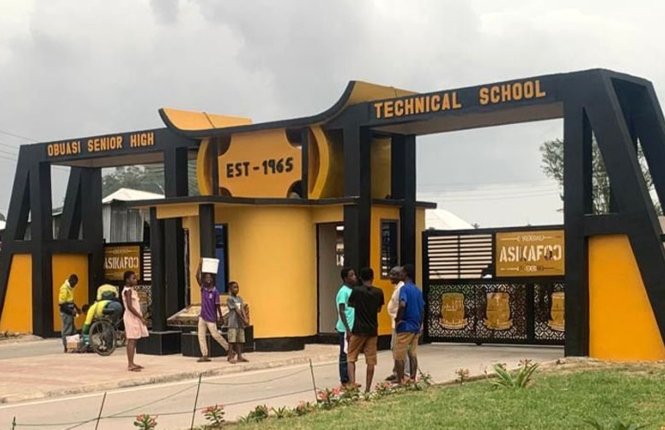
A sexual abuse scandal at a secondary school in Ghana’s Ashanti Region has escalated into a legal battle, with the interdicted headmaster filing a multi-million-Ghana cedi defamation suit against the investigative journalist who exposed the allegations, even as a prominent civil society organization demands swift, independent probes and stronger protections for survivors.
The Allegations
The case centers on Obuasi Senior High Technical School (SHTS) and its headmaster, Zakaria Abdulai, who has been accused of sexual misconduct and abuse by multiple female students.
The allegations were brought to national attention through an investigative documentary by journalist Manasseh Azure Awuni, published by the Multimedia Group. The exposé, titled Inside the Dreaded Headmaster’s Bungalow, detailed claims that the headmaster engaged in sexual misconduct involving students at the school.
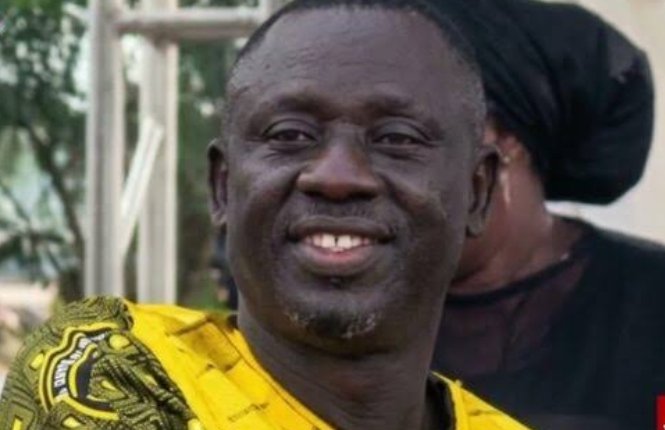
Abdulai has denied all allegations against him.
Official Response and Interdiction
Following the documentary’s broadcast and the ensuing public outcry, Ghana’s Ministry of Education and the Ghana Education Service (GES) intervened. The headmaster was interdicted on October 14, 2026 pending a full investigation, a move that removes him from his post while authorities examine the claims.
The Minister for Education referred the criminal aspects of the matter to the Criminal Investigations Department (CID) and directed the headmaster’s suspension. The Domestic Violence and Victim Support Unit (DOVVSU) in Bekwai has forwarded a docket on one complaint to the Attorney-General’s Department for legal advice. The school was temporarily closed following unrest among students.
Investigation Hurdles
Educational authorities and parliamentary stakeholders have faced mounting pressure to ensure a swift and transparent probe.
However, committees established to investigate the matter have encountered obstacles, including low student turnout attributed to parental hesitation and concerns about alleged external interference.
Defamation Lawsuit
In a dramatic legal twist, the interdicted headmaster has filed a GH¢2 million defamation lawsuit against Manasseh Azure Awuni and the Multimedia Group. Abdulai claims the reports severely damaged his reputation, his marriage, and his professional standing.
The lawsuit raises complex questions about press freedom, the rights of the accused to due process, and the ability of survivors and journalists to report abuse without fear of legal retaliation.
CSJ Demands Accountability
The Centre for Social Justice (CSJ) , a prominent Ghanaian social justice organization, issued a strongly worded press statement on October 23, 2026, expressing deep concern over the allegations and outlining a series of demands.
While acknowledging that the allegations “have not been proven in court” and that the headmaster “is entitled to the presumption of innocence and to a fair process,” CSJ warned that “the presumption of innocence must never become a reason for delay, or for silencing those who have come forward.”
The organization highlighted particularly troubling reports that complaints were raised with school management as early as February 2026, with the Municipal Education Directorate in March, and further incidents allegedly reported in June and July. According to CSJ, if accurate, these reports “point to a failure of safeguarding systems, and not only to the alleged conduct of one individual.”
Key Demands from CSJ
- Independent and time-bound investigations — The Police and Attorney-General’s Department should conclude the criminal process without delay, and the administrative inquiry should be led independently of officials whose handling of complaints may come under scrutiny, with findings made public.
- Accountability for institutional failure — Any official found to have ignored, suppressed, or mishandled complaints, or discouraged students from reporting, should face disciplinary action with due process.
- Protection and support for survivors and witnesses — Affected students should receive confidential medical, psychosocial, legal, and educational support, and protection from intimidation, retaliation, and victim-blaming. CSJ stressed that “no student should lose her education because she spoke out,” and that the Children’s Act, the UN Convention on the Rights of the Child, and the African Charter on the Rights and Welfare of the Child must be fully upheld where affected students are under 18.
- A safe reopening — Before Obuasi SHTS reopens, GES should ensure independent safeguarding arrangements, counselling for students, and clear, confidential channels for reporting abuse.
- System-wide reform — The Ministry of Education should commission an independent national audit of sexual misconduct and safeguarding systems in secondary schools, enforce the GES Code of Conduct, introduce mandatory reporting with confidential channels, and publish regular public reports on cases and outcomes.
CSJ also called on the media and public to protect survivors’ identities and follow the principle of “do no harm” while keeping everyone accountable, stressing that “no office, position, or political affiliation should shield anyone from accountability.”
Broader Implications
The Obuasi SHTS case has ignited intense national discussions about student safety, institutional accountability, and the handling of abuse reports in Ghanaian second-cycle institutions. It raises pressing questions about whether schools have adequate safeguarding mechanisms, whether complaints are taken seriously when first raised, and whether survivors can come forward without fear of stigma or retaliation.
The case also highlights tensions between the rights of the accused to due process and the need to protect vulnerable students, a balancing act that CSJ addressed directly in its statement.
What’s Next
The criminal investigation and administrative inquiry are ongoing. The defamation lawsuit against Manasseh Azure Awuni and the Multimedia Group is expected to proceed, with potential implications for investigative journalism in Ghana.
Meanwhile, CSJ has expressed readiness to work with the Ministry of Education, GES, DOVVSU, the Department of Social Welfare, and fellow civil society organizations “to ensure that justice is done for the students of Obuasi SHTS and that no school in Ghana becomes a place of fear for its students.”
As the nation watches, the outcome of this case may set a precedent for how Ghana handles sexual abuse allegations in educational institutions, and whether accountability extends beyond individuals to the systems meant to protect students.
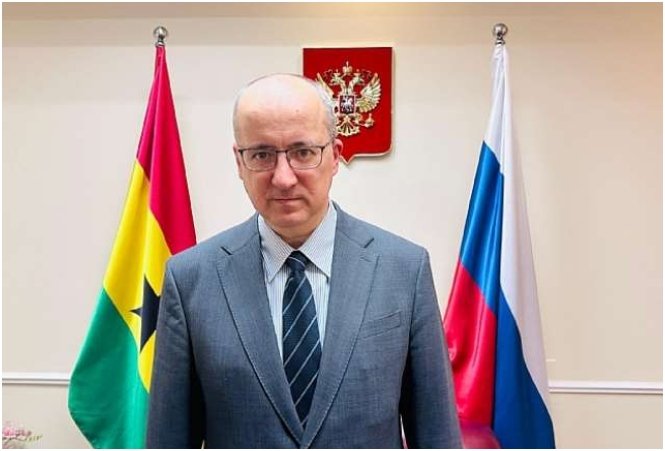
Russia has thrown its weight behind Ghana’s quest to join BRICS, but Moscow’s endorsement comes with a pointed caveat: enthusiasm alone will not secure a seat at the table.
In written responses to questions on Ghana’s BRICS ambition, Russian Ambassador to Ghana Andrei Ordash said Moscow “welcomes Ghana’s growing interest” in the grouping and regards it as evidence of Accra’s readiness to deepen cooperation with states playing an increasingly prominent role in the global economy and international politics.
But the Ambassador was equally clear that political signalling must be matched by economic delivery.
“It is important that such work is underpinned by concrete measures, the development of trade, investment, industrial cooperation, scientific and technical ties, and other areas that serve the long-term interests of the Ghanaian people,” Ordash said.
The formulation amounts to a diplomatic reality check for Accra: Russia’s backing is supportive, but not unconditional, and not sufficient on its own.
Consensus, Not a Single Backer
Ordash stressed that decisions on BRICS expansion are taken “by all BRICS members by consensus and in accordance with established procedures,” a reminder that Moscow’s goodwill cannot single-handedly deliver membership for Ghana.
Russia, he said, is ready to “engage in constructive dialogue with its Ghanaian partners on matters relating to cooperation with BRICS, to share its experience and to facilitate the development of ties with this organization.”
The Ambassador framed BRICS as an association built on “sovereign equality, mutual respect, consideration of national interests and consensus,” insisting it is “not directed against any countries” and does not require members to cease cooperation with other international partners.
The Economic Case and Its Limits
Ordash laid out the scale of the bloc: BRICS member states account for 47 per cent of the world’s population, over 30 per cent of global agricultural land, 40 per cent of global GDP at purchasing power parity and 23 per cent of total global trade.
But he was candid about what BRICS is not.
“It is also important to understand that BRICS is not a single trade market with a common customs territory, nor does it have a universal financial fund that automatically provides funds to all participants,” he said. “Tangible economic results will depend on the substance of the agreements concluded, the competitiveness of enterprises, the quality of investment projects and the willingness of the partners themselves to participate in their implementation.”
Russia, he added, sees opportunities to expand collaboration with Ghana in energy, industry, agriculture, education, science and technology, including joint projects involving partners from other BRICS countries.
No ‘Either-Or’ With the West
Addressing concerns that closer alignment with BRICS could complicate Ghana’s relations with Western partners, Ordash said a potential partnership “should not be viewed as a choice between one set of partners and another.”
“Ghana is entitled to determine for itself how to balance its cooperation with BRICS states, Western countries, African partners and international financial institutions,” he said, adding that Russia does not make cooperation with Moscow “contingent upon such decisions.”
He conceded that expanding partnerships “does not rule out commercial and financial risks,” but argued these should be assessed on specific circumstances rather than on “the mere fact of participation in the group.”
The Takeaway
For Accra, the message from Moscow is supportive but sober: Russia will champion Ghana’s BRICS interest and share its experience, but the onus is on Ghana to build the trade, investment and industrial case an,d to win over every BRICS member, not just the Kremlin.
As Ordash put it, Ghana’s interest “deserves serious and substantive consideration.” The caveat, unmistakably, is that substance, not just signals, will decide how far that interest travels.


Funding Fears Loom For Ghana’s Life-Saving Malaria Vaccine Five Years After Roll Out

‘There was a Coordinated Disclosure Plan’: AI-Discovered Flaw in PHP Triggers Global Internet Chaos as Cybercriminals Race to Exploit It

Yandex Strikes: Can Moscow Host Africa Under Drone Threat?
-
 Ghana News2 days ago
Major Sexual Abuse Scandal Rocks Ghana High School: Obuasi School Headmaster Sues Journalist for GH¢2 Million as Investigation Into Alleged Misconduct Widens
-
 Opinion2 days ago
Yandex Strikes: Can Moscow Host Africa Under Drone Threat?
-
 Global Update2 days ago
‘There was a Coordinated Disclosure Plan’: AI-Discovered Flaw in PHP Triggers Global Internet Chaos as Cybercriminals Race to Exploit It
-
 Ghana News2 days ago
Funding Fears Loom For Ghana’s Life-Saving Malaria Vaccine Five Years After Roll Out