
Sights and Sounds
Shea Butter and African Black Soap: Ghana’s Natural Skincare Gifts to Take Home

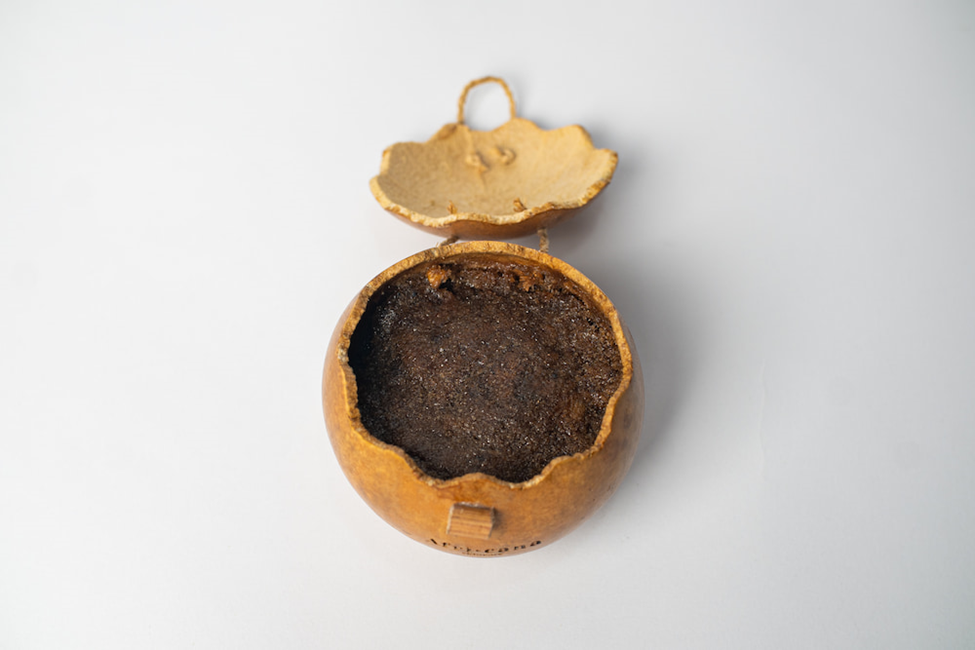
A little jar of shea butter or a bar of African black soap may seem like an ordinary purchase, but in Ghana, these traditional skincare products offer visitors something more meaningful than a conventional souvenir.
Rooted in West African traditions and valued for their everyday usefulness, they make thoughtful gifts to carry home.
Shea butter, produced from the nuts of the shea tree, is particularly important to communities in Northern Ghana.
Its reputation as a natural moisturiser comes from its versatility. Used on the face, body and hair, it helps keep skin moisturised during changing weather conditions, including the dry, dusty harmattan season.
Beyond skincare, it also has culinary uses, making it a familiar multipurpose ingredient in parts of the country.
African black soap has an equally longstanding place in West African beauty traditions. Historically associated with Yoruba communities in Nigeria, Benin and Togo, it is valued for cleansing and exfoliating the skin.
Ghana’s growing skincare market offers visitors plenty of choices, with local brands presenting these traditional ingredients in contemporary packaging.
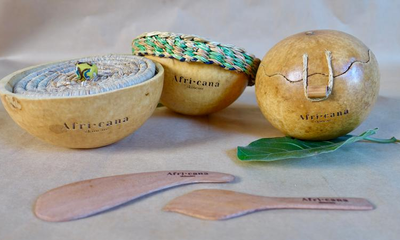
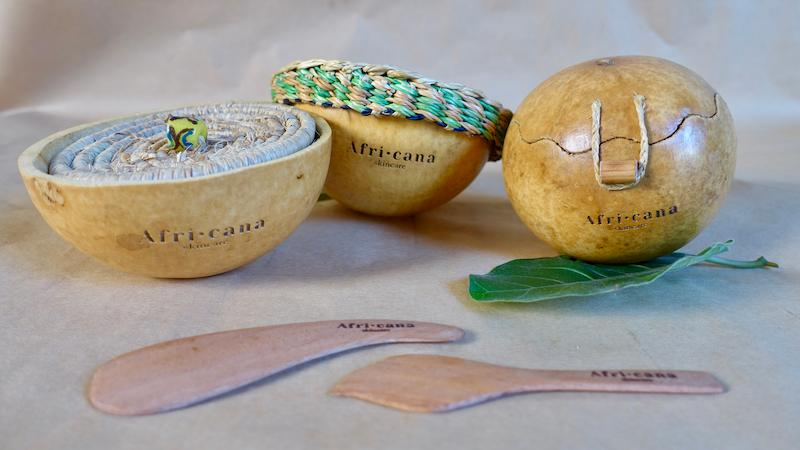
Africana Skincare stands out for its distinctive presentation, while Nokware Skincare offers gift boxes suited to travellers.
Skin Gourmet combines shea butter and black soap with natural facial scrubs, and Hamamat’s Safari Shea provides a distinctive yellow-coloured alternative to the more familiar golden shea butter.
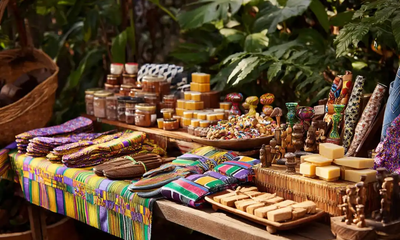
For a more traditional shopping experience, Accra’s local markets are worth exploring. Raw shea butter and black soap are readily available, often sold in small plastic bags rather than decorative containers.
Whether beautifully packaged or bought straight from the market, these skincare staples offer visitors a practical reminder of Ghana’s natural resources and enduring beauty traditions.









Imagine stepping into a restaurant in Ghana and, for a moment, feeling as though you have been transported to Japan or South Korea.
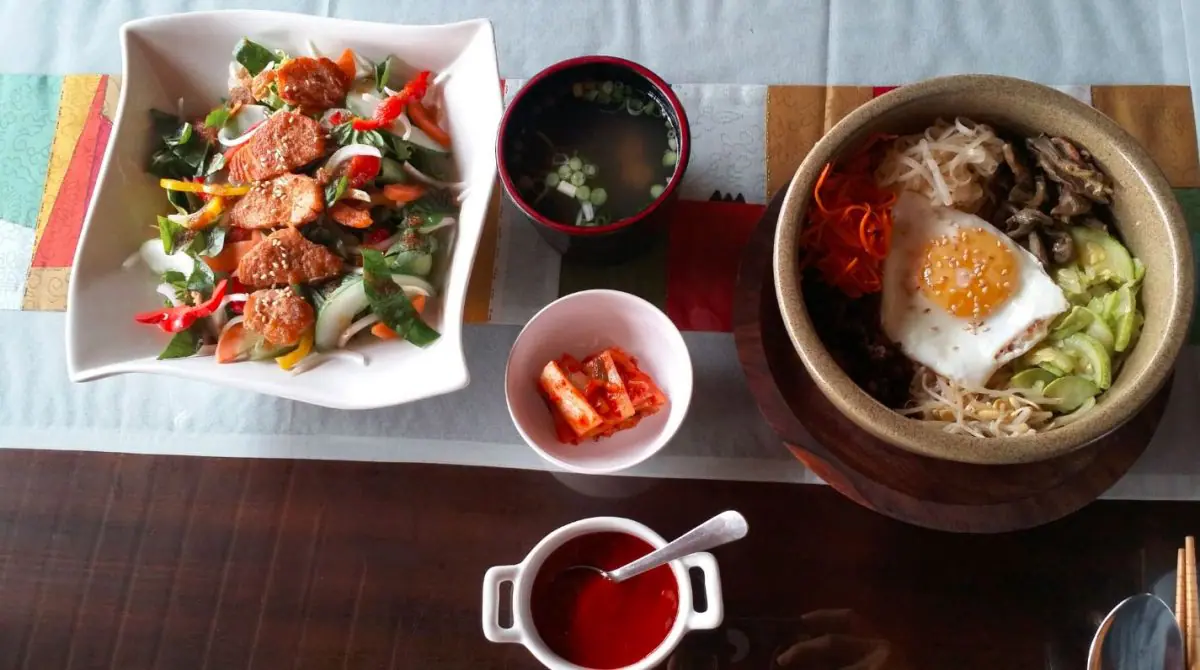
At Ninano Korean and Japanese Restaurant, the experience goes beyond food, offering diners a taste of East Asian cuisine in an atmosphere designed to evoke the region.
For lovers of Japanese and Korean dishes, Ninano brings together familiar favourites and traditional preparations. Its sushi, made fresh at the restaurant, has attracted international attention, including a feature on Japanese television as a place to enjoy freshly prepared sushi.
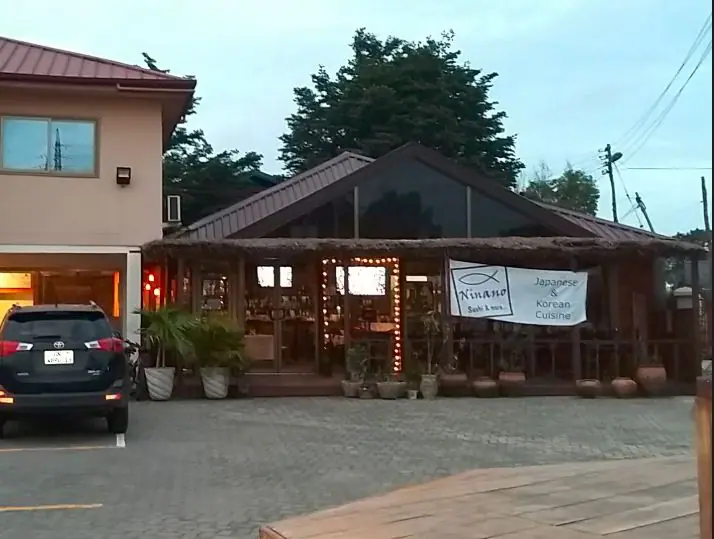
The menu also introduces diners to dishes such as udon, thick wheat noodles commonly served in Japanese soups, and bulgogi, a popular Korean delicacy made from thin slices of marinated beef or pork, grilled on a barbecue or stovetop griddle.
These dishes offer a glimpse into two distinct food cultures, brought together under one roof. It is perhaps little surprise that the restaurant has become a favourite among Japanese and Korean nationals living and working in Ghana, as well as diners curious about authentic Asian flavours.
Beyond the kitchen, the restaurant’s woody interior contributes to its distinctive appeal. Live music, large-screen televisions showing sporting events and a bar serving cocktails, wines and Asian-inspired drinks add to the experience.
One visitor described the atmosphere as so immersive that it felt like being in Japan, with speedy service and good food completing the experience.
For anyone seeking something beyond the familiar dining options in Ghana, Ninano offers an opportunity to explore Japanese and Korean cuisine without leaving the country. It is a reminder that sometimes, discovering another culture can begin with simply taking a seat at the table.
A visit to Ghana often comes with a familiar shopping list: colourful fabrics, handmade crafts, traditional jewellery and keepsakes that capture memories of the country.
But for travellers looking to take home something more rooted in Ghanaian heritage, the answer may lie in its traditional beauty rituals.
For generations, African communities have turned to nature for skincare and wellness. Plant-based ingredients, including roots, herbs, oils and butters, have played important roles in maintaining health, treating ailments and preparing for significant cultural occasions such as births and weddings.
Today, many of these traditional ingredients are finding renewed relevance in modern beauty routines.
Unrefined shea butter and African black soap, in particular, remain recognisable staples of African skincare, offering visitors an opportunity to experience a beauty tradition that has endured across generations.
In Accra, Africana Skincare products are available at several locations, making it easier for visitors to discover these locally rooted essentials.

The Shop Accra, a lifestyle and beauty boutique on Oxford Street in Osu, stocks the brand’s range of unrefined shea butter and African black soap.
Visitors can also find its signature products at Yenze Ghana Mall, alongside other locally made artisanal goods.
For those staying around Kokomlemle, Somewhere Nice Hostel offers another convenient stop, with a selection of Africana skincare essentials available at its lobby shop.
Travellers who prefer to plan their purchases ahead of time can explore the brand’s official website for a complete list of stockists.
A jar of shea butter or a bar of African black soap may not be the conventional holiday souvenir.
But each offers something arguably more meaningful: a connection to Ghana’s enduring relationship with nature, culture and beauty.
What if the future of architecture were shaped not by the traditional centres of global design, but by ideas emerging from Africa and its diaspora?
This question lies at the heart of the African Futures Institute (AFI), an ambitious educational and research initiative based in Accra, Ghana, seeking to change how the world teaches, studies and practises architecture.
Founded through the vision of Professor Lesley Lokko and developed in collaboration with renowned Ghanaian-British architect Sir David Adjaye, the institute aims to establish a world-class platform connecting architectural education, research and professional practice.
Its ambition extends beyond training architects; it seeks to challenge established thinking about the built environment and whose perspectives shape it.
Lokko, an influential architectural educator and former director of the Graduate School of Architecture at the University of Johannesburg, has long championed more inclusive approaches to architectural learning.
At AFI, this vision takes on a distinctly African perspective, recognising the continent’s young population, rapid urbanisation and growing influence on global conversations about cities and design.
The institute’s founding philosophy is built around a series of provocative questions. What if African and diaspora perspectives could help address challenges involving racial inequality, environmental justice and new forms of urbanism? What if architectural education could place diversity, equity and inclusion at its centre?
Beyond teaching and research, AFI provides a platform for public engagement through exhibitions, talks and events featuring international artists and thinkers.
Located in Accra, the institute represents an important shift in the geography of architectural knowledge.
Rather than simply adapting ideas developed elsewhere, it seeks to position Africa as a source of original thinking, innovation and leadership in shaping the spaces where future generations will live.


Building in Ghana? How to Test Your Blocks Before They Become Part of Your Home

Samanpiid Festival: Bawku’s Celebration of Harvest, Renewal and Kusasi Heritage

Vegan Kontomire Stew: A Ghanaian Classic Reimagined with Tofu and Melon Seeds
-

 Ghana News9 hours ago
After COVID-19 Exposed Africa’s Vaccine Dependence, Ghana’s NVI and Africa CDC Embark on a New Path to Secure Health Sovereignty
-

 Business8 hours ago
Ghanaian Pharmaceutical Manufacturers Begin Breaking Into African Markets Thanks to Africa CDC’s Pooled System
-

 Ghana News8 hours ago
Africa Cannot Build Its Pharmaceutical Future on Imports: Ghana and Africa CDC Seek a New Way Forward
-
 Homes & Real Estate3 hours ago
Building in Ghana? How to Test Your Blocks Before They Become Part of Your Home
-
 Festivals & Events4 hours ago
Samanpiid Festival: Bawku’s Celebration of Harvest, Renewal and Kusasi Heritage
-

 Entertainment2 days ago
Efya and Tomi Thomas Dedicate Baby Girl in Heartwarming Church Ceremony
-

 Festivals & Events7 hours ago
Ghana Food Festival: Diaspora Experience 2026 Celebrates Food, Culture and Connection
-
 Taste GH7 hours ago
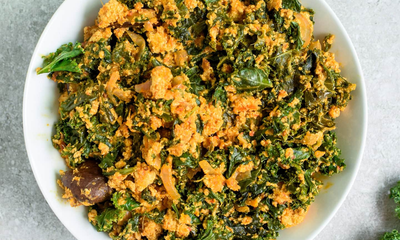
Vegan Kontomire Stew: A Ghanaian Classic Reimagined with Tofu and Melon Seeds