
Fashion & Style
Hazza: Turning Accra’s Discarded Fabrics into Contemporary African Fashion

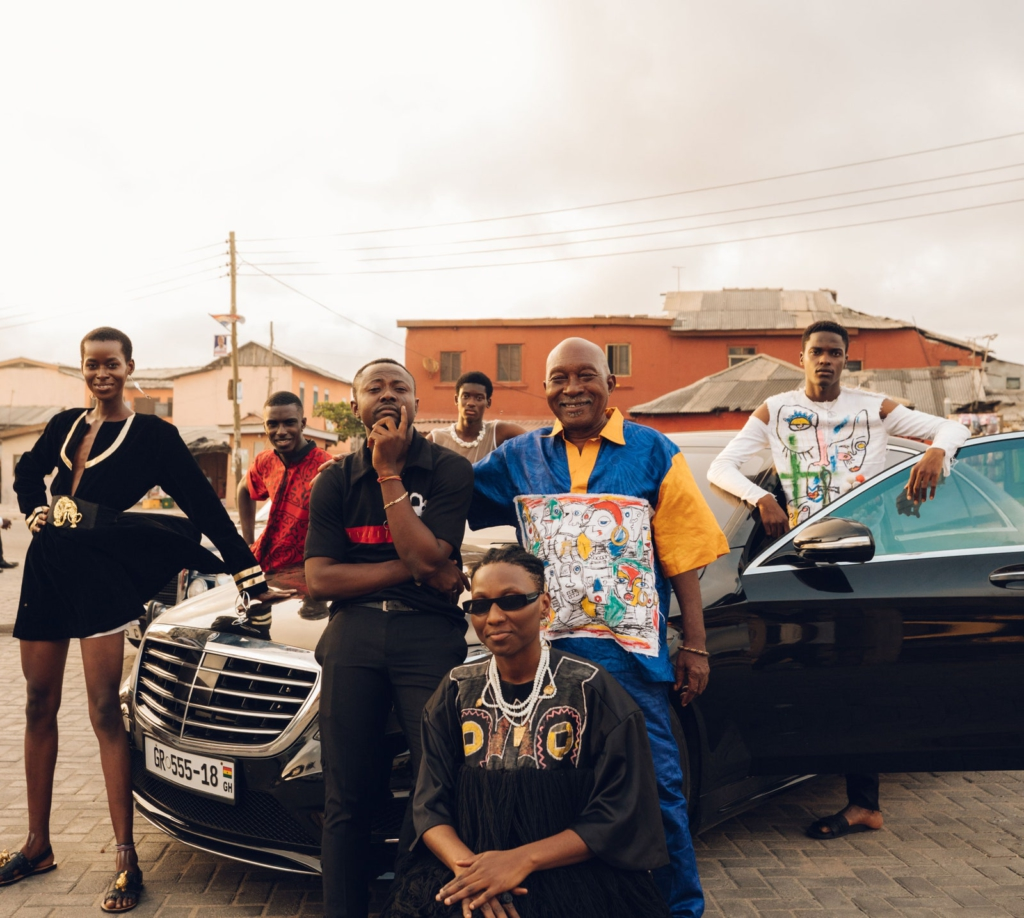
At Accra’s Kantamanto Market, where secondhand clothes arrive in enormous quantities and unwanted garments often become waste, designer Hassan Alfaziz Iddrisu sees something others overlook: creative possibility.
Through his fashion label, Hazza, the Ghanaian designer is transforming discarded textiles into distinctive contemporary clothing while challenging conventional ideas about sustainability and African style.
Originally from Kumasi and now based in Accra, Iddrisu began his fashion journey trading vintage clothing. His fascination with rare garments eventually led him to experiment with deconstructing secondhand pieces and assembling them into original designs.
Although he initially had no formal sewing or cutting skills, his creative ideas attracted buyers and encouraged him to establish Hazza in 2013.
The ethically made, unisex sportswear label combines African identity with traditional production techniques.
Its aesthetic features relaxed tailoring, breezy suits, utilitarian shirts and colourful fabrics, often sourced through reuse and repurposing.
For Iddrisu, sustainability begins with choosing materials differently. He sources much of his fabric from Kumasi, selecting discarded textiles that would otherwise remain unsold or end up as waste.
Through tie-dye and screen printing, he gives these materials new colour, character and purpose. His Afrafradom collection reflects this experimental approach.
His creative inspiration also comes from everyday Ghanaian life. Rather than seeking ideas exclusively in fashionable spaces, he visits less celebrated neighbourhoods and communities, where he believes authentic cultural expression can be found.
Hazza represents a compelling direction for African fashion, where environmental responsibility, cultural identity and inventive craftsmanship meet.
By turning unwanted fabrics into desirable garments, Iddrisu demonstrates that fashion’s next statement need not begin with something new; sometimes, it begins with seeing value in what others have thrown away.







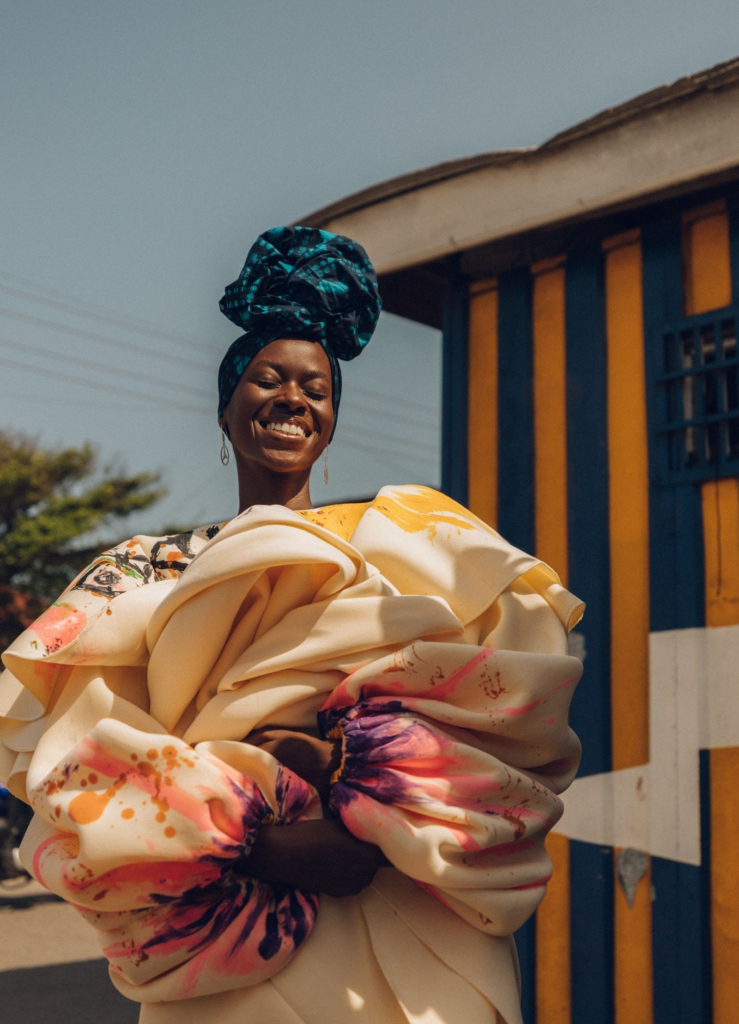
A childhood spent watching seamstresses at work in Axim has become the creative foundation of Steve French’s fashion identity.
Today, the Ghanaian designer is transforming those early memories into contemporary womenswear, using fabric, abstract painting and storytelling to give traditional influences a new artistic expression.
Originally from Axim in Ghana’s Western Region and now based in Accra, French developed an interest in fashion at just seven years old.
His earliest creative experiments involved drawing cartoon characters such as Mickey and Minnie Mouse, with particular attention to what they wore. That childhood fascination eventually grew into a fashion label, established in 2016.
French’s designs celebrate the female form through feminine gowns, flowing skirts, expressive prints and bold colours.
His approach combines cultural references with contemporary design, creating clothes that reflect his Ghanaian identity while exploring new artistic possibilities.
His latest collection draws heavily on memories of growing up around seamstresses in Axim. Inspired by the stories and traditions passed down through those encounters, he experimented with neoprene and abstract painting, translating personal narratives into images on tops, skirts and dresses.
Beyond aesthetics, French sees fashion as an opportunity to create meaningful economic and social connections.
He works with local artisans, believing that clothing should benefit not only the person wearing it but also the people producing it and the communities behind the craft.
His creative outlook has also evolved through periods of stillness and reflection. He now finds inspiration in everyday Ghanaian life, from roadside traders to music and ordinary encounters.
For French, fashion is both a personal inheritance and a community responsibility, proving that childhood memories and local craftsmanship can become powerful foundations for contemporary African design.
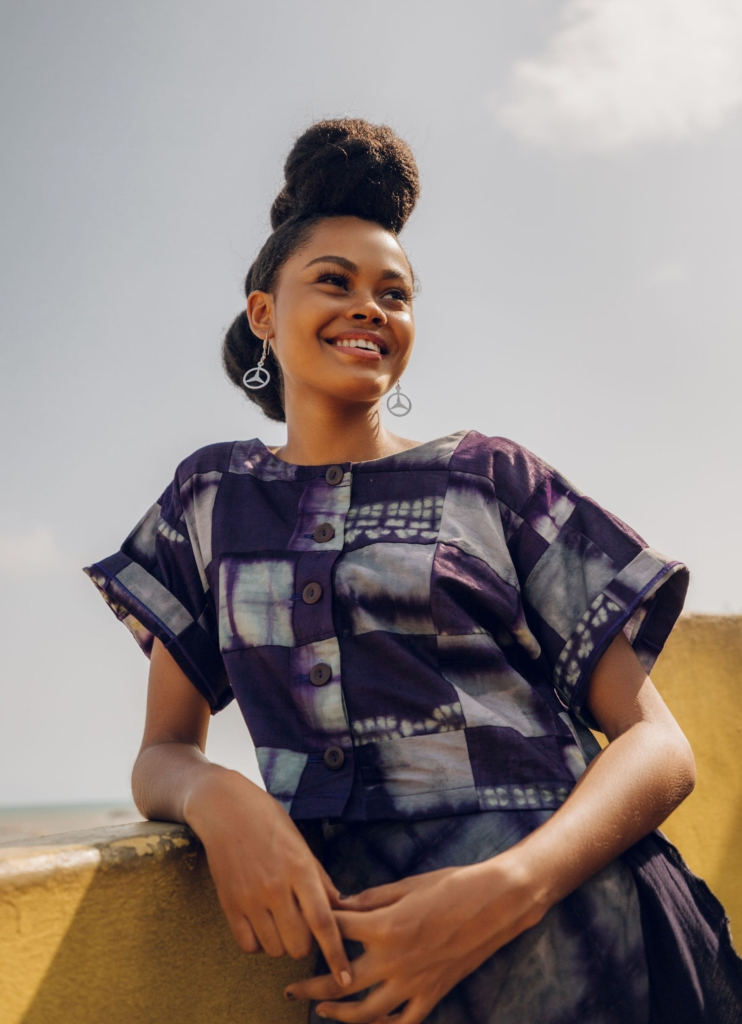
A fabric once familiar in many Ghanaian homes becomes a statement of contemporary style in the hands of designer Larry Jafaru Mohammed.
Through his label, Larry Jay, the Accra-born creative is giving traditional textiles, particularly tie-dye, a fresh identity while championing local craftsmanship and inclusive fashion.
Founded in 2017, Larry Jay grew from Mohammed’s earlier experience designing accessories in 2012 before he moved into ready-to-wear clothing around 2016.
His vision was to build a fashion business that created opportunities for artisans in his community while celebrating African creativity.
The label’s ethically produced, unisex collections draw inspiration from African cultures, textiles and nature. Streamlined silhouettes, camp-collar shirts and flowing skirts bring a contemporary sensibility to familiar cultural influences.
Recycling and upcycling locally sourced materials also form part of Mohammed’s approach to responsible fashion.
His Spring 2021 Nomad collection explored tradition, comfort and the spirit of travel. Purple featured prominently in its monochromatic looks, while tie-dye brought memories of fabrics worn by earlier generations into modern wardrobes.
Mohammed even photographed some designs on his parents, drawing inspiration from their stylish 1970s photographs.
The collection also carried a message beyond clothing. Presented during the pandemic, it featured models of different races and religions to promote peace and solidarity.
For Mohammed, fashion is therefore more than creating attractive garments. It is a way to preserve cultural memories, support creative communities and communicate shared humanity.
Through Larry Jay, Ghanaian heritage finds room in contemporary wardrobes without losing its connection to the past.
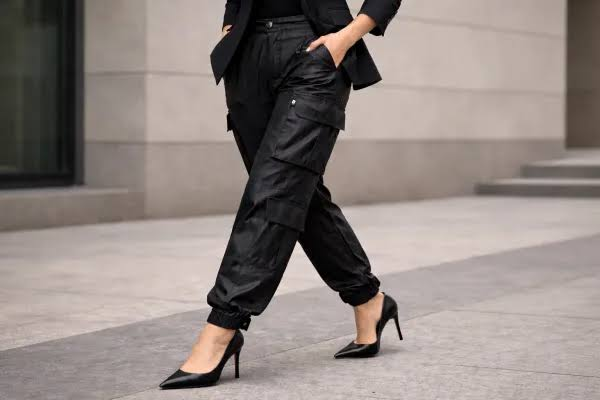
A beautifully tailored pair of trousers can lose its appeal when the wrong underwear creates visible lines, unwanted outlines or fabric that clings awkwardly to the body.
While much attention is given to finding the perfect cut, colour and fit, an often-overlooked detail in women’s fashion is what goes underneath.
The growing conversation around thoughtful dressing is shifting attention towards underwear as an essential part of building a polished wardrobe.
The Foundation of a Flattering Outfit
For fitted and tailored trousers, seamless underwear with laser-cut edges offers a smoother finish by minimising visible panty lines.
Choosing the right colour is equally important. Contrary to the common assumption that white underwear works best beneath light-coloured clothing, nude shades that closely match an individual’s skin tone are often less visible under cream, white and pale linen fabrics.
The choice of underwear also depends on the trouser silhouette. Wide-leg trousers, for example, can be paired with biker shorts to reduce friction between the thighs, prevent chafing and stop fabric from catching against the legs.
For lightweight or flowing trousers, smoothing shorts provide another option. They help create a more streamlined appearance while preventing delicate fabrics from clinging to the body.
Why the Details Matter
These styling considerations reflect a broader understanding of fashion: looking well-dressed involves more than following trends or purchasing expensive clothing. Fit, fabric, proportions and appropriate undergarments all contribute to the finished look.
For women building versatile wardrobes, especially in Ghana’s warm climate where lightweight fabrics and breathable clothing are practical choices, selecting suitable underwear can make everyday dressing more comfortable.
The lesson is simple: the best outfits are often supported by details nobody sees. Sometimes, the difference between an ordinary look and a polished one begins underneath the clothes.


Too Busy to Exercise? How 30 Minutes a Day Can Transform Your Health

The Hidden Health Cost of Sitting All Day: Why Office Workers Need to Move More

Ghana’s Social Media Split Screen: Culture, Crisis and a Minister’s Apology
-
 Global Update1 day ago
2026 U.S. Midterms: The 10 Key Takeaways From a Historic Democratic Wave
-

 Taste GH1 day ago
Is Ghana’s Kpogulo a Dumpling? Exploring a Northern Ghanaian Food Tradition
-
 Arts and GH Heritage14 hours ago
Frederick Ebenezer Okai Finds Unity in Broken Ceramics
-
 Festivals & Events1 day ago
Inspire Cape Coast 2026: Can Tourism, Events and Media Put Oguaa on the Global Map?
-

 Ghana News1 day ago
Ghanaian Community in the Bronx Reels After Second Tragedy: 24-Year-Old Church Organist Found Dead at Dumpsite
-
 Sights and Sounds1 day ago
Building Africa’s Architectural Future: Inside the African Futures Institute
-
 Health & Wellness2 hours ago
The Hidden Health Cost of Sitting All Day: Why Office Workers Need to Move More
-
 Arts and GH Heritage2 days ago
Art Africa Gallery spotlights women’s struggles, breast cancer awareness through ‘She Carries the Market’ exhibition