
Ghana News
Ghana’s Nuclear Power Program Hits Key Milestones

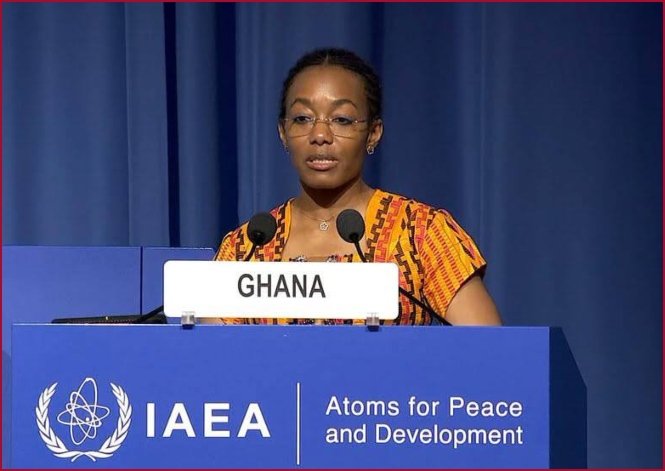
Ghana’s nuclear power program has recorded significant progress over the past year, with major advances in site characterization, human capital development, and regulatory readiness, the country’s representative told the 70th General Conference of the International Atomic Energy Agency (IAEA).
Delivering Ghana’s national statement at the IAEA headquarters in Vienna, Dr. Zanetor Agyeman-Rawlings said the country has made “steady progress” in its nuclear power program, including the installation of meteorological monitoring systems at both preferred and alternative sites for a potential nuclear power plant.
“These milestones are not merely technical achievements. They represent Ghana’s deliberate and responsible approach to building a future powered by reliable, clean, and sustainable energy,” she told delegates.
Site Characterization and Technical Progress
According to Dr. Zanetor, Geographic Information System (GIS)-based verification exercises, supported by aeromagnetic survey data, have enhanced Ghana’s understanding of subsurface conditions at candidate sites. Ongoing land acquisition processes are also positioning the country for the next phase of nuclear power development.
The West African nation has been exploring nuclear energy as part of its long-term energy mix, with the Ghana Atomic Energy Commission (GAEC) leading technical preparations.
Human Capital at the Heart of the Program
Dr. Zanetor emphasized that human capital remains central to Ghana’s nuclear ambitions. Through strategic partnerships with the IAEA, the European Union, and countries including the United States, China, Japan, the Republic of Korea, and the Russian Federation, Ghana is building the skilled workforce required to support a modern nuclear industry.
Ghana recently hosted the United States-Africa Nuclear Energy Summit (USANES) under the theme “Building and Sustaining Africa’s Nuclear Workforce.” The summit, she said, highlighted a shared continental ambition: “to ensure that Africa is not merely a beneficiary of nuclear technology but an active contributor to its future development.”
School of Nuclear and Allied Sciences Celebrates 20 Years
This year marks a significant milestone for Ghana’s nuclear education sector. The School of Nuclear and Allied Sciences (SNAS), established through a partnership between GAEC, the University of Ghana, and the IAEA, is celebrating 20 years of excellence in graduate nuclear education.
Since its inception, SNAS has produced over 800 master’s and PhD graduates in various nuclear disciplines, many of whom now serve in senior positions in Ghana and across Africa. The MPhil program in Applied Human Nutrition and Nuclear Techniques has commenced, while the MPhil in Radiation and Cancer Biology is scheduled to begin next academic year.
Cancer Care and Nuclear Medicine
In the field of nuclear medicine, Dr. Zanetor noted that cancer remains one of the most pressing public health challenges facing Africa. Ghana is working closely with the IAEA and international partners to strengthen cancer prevention, diagnosis, treatment, and care.
The Integrated Mission of the Program of Action for Cancer Therapy (ImPACT) conducted earlier this year provided valuable guidance for improving national cancer control and mobilizing partnerships for sustainable investment. Ghana also benefited from the IAEA’s regional breast-cancer imaging course and the Quality Assurance Audit for Diagnostic Radiology Improvement and Learning (QUAADRIL) mission hosted in 2025.
A mammography machine awarded under the Rays of Hope initiative, made possible through Japan’s generous contribution, will enhance early breast-cancer detection and improve access to timely care.
Agriculture, Nutrition, and Environment
Nuclear and isotopic techniques are helping Ghana address nutrition challenges. The DEXA scanner, acquired under the IAEA-supported RAF6059 Project, combined with stable-isotope methodologies, is advancing research and informing effective public health policies.
Through Technical Cooperation Project GHA5040, Ghana is strengthening capacities in soil, water and nutrient management, mutation breeding, animal production and health, food safety, and human nutrition. Demonstration farms, farmer field schools, and digital platforms will translate research into practical benefits for food security and resilient livelihoods.
In environmental sustainability, Ghana’s Isotope Hydrology Laboratory supports research on groundwater systems, water quality, and basin dynamics. The country is also participating in regional efforts to harmonize microplastics monitoring.
Industrial Applications and Safety
Ghana has completed a feasibility study for an electron-beam processing facility and developed a project document to mobilize national and private-sector investment. The government has committed seed capital to the initiative, which could promote safer industrial processing, innovation, and new economic opportunities.
On safety and security, Dr. Zanetor reaffirmed Ghana’s commitment to strengthening its regulatory framework through continuous improvement and international cooperation. Preparations are underway to host the International Physical Protection Advisory Service (IPPAS) and International Nuclear Security Advisory Service (INSServ) missions in 2027.
Ghana has also subscribed to INFCIRC/908 on insider threat mitigation and remains an active contributor to the IAEA Nuclear Security Guidance Committee. With support from the United States National Nuclear Security Administration, upgrades have strengthened physical protection at key facilities.
A Shared 1957 Milestone
Dr. Zanetor noted that the IAEA was founded in 1957, the same year Ghana gained independence.
“As we mark the 70th General Conference, a notable milestone since the IAEA was founded in 1957 — a year that also holds profound significance for Ghana as the year of our independence — we are being provided with an important opportunity to consolidate the gains achieved by the Agency for our collective benefit,” she said.
Ghana also congratulated Timor-Leste on its membership of the IAEA.
Commitment to Peaceful Use
In closing, Dr. Zanetor reaffirmed Ghana’s commitment to the safe, secure, and peaceful use of nuclear technology for sustainable development.
“Ghana’s nuclear journey is about innovation, resilience, advancement in healthcare, food and water security, sustainable energy, building human capital and cooperation,” she said. “Together, let us make the atom a force for development, peace, hope and a better future in honor of our 70th annual session and beyond.”



Ghana News
Ghanaian Community in the Bronx Reels After Second Tragedy: 24-Year-Old Church Organist Found Dead at Dumpsite

The tight-knit Ghanaian community in the Bronx has been struck by a second devastating tragedy in a matter of weeks, plunging family members, faith leaders, and diaspora networks into deepened mourning and heightened anxiety over safety in the neighborhood.
Joseph Owusu, a 24-year-old Ghanaian youth, was found dead at a dumpsite in the Bronx, roughly two weeks after he was reported missing.
The grim discovery was reportedly made by a scrap collector. Local authorities are continuing to investigate the circumstances surrounding his disappearance and death.
Owusu was well-known and respected within the local diaspora, serving as a dedicated organist at the Ghana United Methodist Church in the Bronx. He was widely remembered for his warm personality and active role in the community — a young man whose music and presence anchored Sunday worship for many Ghanaian families in the borough.
His death comes so soon after the fatal shooting of 15-year-old Javits Frimpong that community leaders describe the collective grief as almost unbearable.
Frimpong, a Ghanaian teenager, was chased and fatally shot in the stomach on the morning of October 29, 2026, near East 171st Street and Crotona Place/Claremont Avenue while on his way to DreamYard Preparatory Academy. He was rushed to the hospital, where he was pronounced dead. The boy had moved to the United States from Ghana just under a year earlier to reunite with his father, Thomas Frimpong, and was remembered as a quiet, clever student who aspired to become a doctor.
His father publicly stated that Javits had been experiencing bullying at school and alleged that school officials had informed him of recent suspensions involving schoolmates just days before the killing. NYPD investigators have reviewed surveillance footage showing suspects fleeing the scene, and a search has centered on identifying those responsible, though police continue to investigate all motives.
The Frimpong case sparked student walkouts demanding an end to gun violence and bullying, community vigils, and high-level diplomatic attention, including condemnation from Ghanaian officials urging a thorough investigation. Now, the discovery of Owusu’s body has compounded calls for answers and for greater protection of immigrant communities in the Bronx.
Community leaders and Ghanaian diaspora networks are urging anyone with information about Owusu’s disappearance or the circumstances of his death to come forward to police. Authorities have not publicly indicated whether foul play is suspected in his case.
As the Bronx Ghanaian community prepares to mourn a second young life in less than a month, faith leaders at the Ghana United Methodist Church and beyond are calling for calm, solidarity, and a thorough accounting from local authorities.
This is a developing story. Updates from community leaders and the NYPD investigation are expected in the coming days.
Ghana News
Ghana’s Ambitious ‘Pharmaceutical Hub’ Aims to Reverse 70% Reliance on Imported Medicines
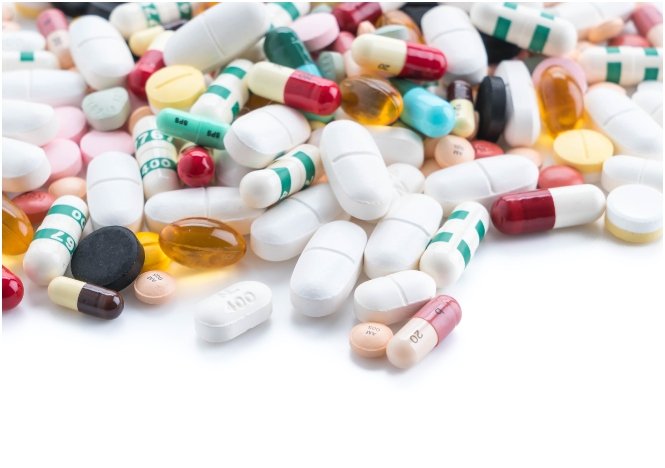
Ghana has unveiled an ambitious plan to reverse its 70% reliance on imported medicines through the establishment of a Pharmaceutical Hub, anchored by the newly launched Ghana Pharmaceutical Manufacturing Policy (GPMP).
The policy, approved by Cabinet and launched on Wednesday, October 28, at the Africa Trade House, provides a strategic framework to build a sustainable, competitive, and integrated pharmaceutical ecosystem.
The launch brought together key government officials, including Elizabeth Ofosu-Adjare, Minister for Trade, Agribusiness and Industry, alongside diplomats, industry stakeholders, and representatives from the National Vaccine Institute (NVI).
A Presidential Legacy Initiative

Speaking at the event, Dr. Bernice Makafui Brempong, Presidential Coordinator for the Ghana Pharmaceutical Hub and Senior Executive in charge of Investments in Healthcare and Pharmaceuticals at the Office of the President, described the policy as central to President John Dramani Mahama’s vision of positioning Ghana as a pharmaceutical manufacturing hub in Africa.
“This achievement is central to President John Dramani Mahama’s vision,” Dr. Brempong stated. She noted that while financial support to local manufacturers was provided during the President’s first term, experience has shown that financial backing alone cannot sustain a competitive industry.
“Our ambition is to build an ecosystem where manufacturers can thrive,” she added, pointing to Section 7.7 of the policy, which identifies a purpose-built pharmaceutical park or hub as a “top priority of the Government” under its Industrial Transformation Programme.
Inside the Pharmaceutical Hub
The Ghana Pharmaceutical Hub, a presidential national legacy initiative under the new economy program, will bring manufacturers, input suppliers, research facilities, and shared infrastructure together.
The proposed Phase 2 in the Central Region will focus on producing active pharmaceutical ingredients, herbal medicines, and raw materials, including local production of excipients such as pharmaceutical-grade corn starch, corn syrup, and ethyl alcohol, strengthening the link between agriculture and pharmaceutical manufacturing.
Dr. Brempong stressed that contract manufacturing will be crucial, allowing smaller companies to utilize shared, ready-to-use facilities.
“Not every pharmaceutical company can afford to build its own manufacturing facility,” she noted. “Through shared infrastructure… the Hub seeks to lower these barriers.”
The Hub is also expected to address a critical skills gap by equipping clinical pharmacists with industrial pharmacy skills, creating opportunities for Ghana’s approximately 1,600 unemployed pharmacists.
Policy Provisions and Vision
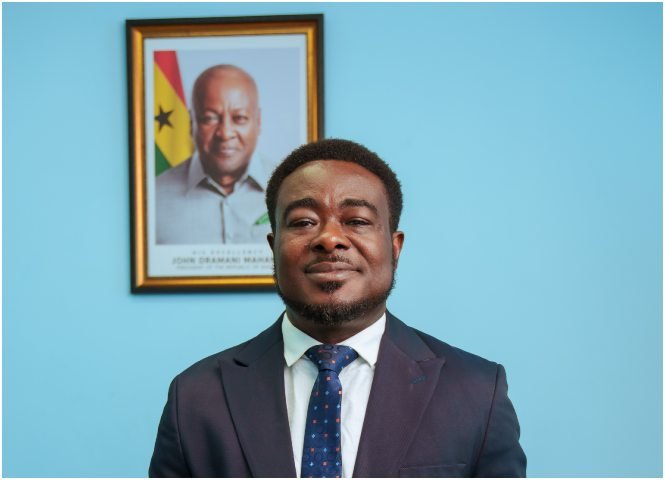
Dr. Sodzi Sodzi-Tettey, CEO of the National Vaccine Institute (NVI), described the policy as the foundation for an “integrated ecosystem” strategy.
He outlined key provisions including local raw material production, pharmaceutical R&D, contract manufacturing, skills development, academia collaboration, tax incentives, investment financing, market expansion, and vaccine manufacturing as a strategic priority.
Dr. Sodzi-Tettey noted the policy directly answers questions from Development Finance Institutions (DFIs) about government support for local manufacturers.
“I can confidently respond and say… Ghana has a Pharmaceutical Manufacturing Policy which articulates in clear concrete terms, the support that government is providing for the sector,” he said.
A Track Record of Growth
The launch highlighted Ghana’s recent pharmaceutical strides. Under the previous Mahama administration, over GHS 50 million was invested in at least three pharmaceutical companies, helping firms like Ernest Chemist build GMP-compliant plants.
In August 2025, President Mahama allocated $50 million to the NVI, which has since established an mRNA laboratory at the Noguchi Memorial Institute for Medical Research, making Ghana one of only five African countries with the technology.
In May 2025, the NVI and Atlantic Lifesciences manufactured Snake Venom Anti-Serum, Ghana’s first biological product. Ghana is on track to produce Anti-Tetanus Serum and its first vaccine, the Tetanus Diphtheria vaccine, in 2027.
Atlantic Lifesciences has also been prequalified under the Africa CDC’s Pooled Procurement Mechanism and awarded a contract to supply oxytocin to Africa.
Call to Action
Dr. Brempong called on financial institutions to develop long-term financing solutions and urged healthcare institutions to prioritize domestic industries.
“The approval of this policy is an important achievement, but it is only the beginning,” she concluded. “Our success will ultimately be measured by the factories established, investments attracted, medicines produced, jobs created and the competitiveness of Ghanaian manufacturers… Let us move from policy to implementation, from ambition to investment, and from dependence to greater domestic productive capacity.”
Ghana News
‘Javits Frimpong’s Mother Deserves to Say Goodbye to Her Son in Person’: Ghana Pledges Full Travel Costs After Trump Approves Emergency Visa
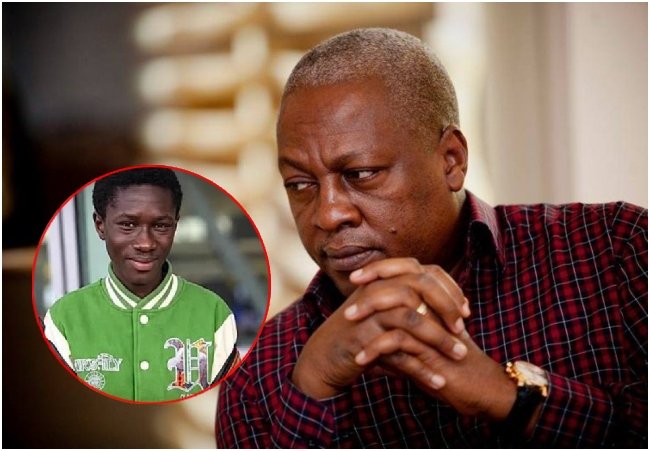
The mother of 15-year-old Ghanaian student Javits Frimpong, who was fatally shot in New York City, is set to travel from Ghana to the United States to say goodbye to her son after President Donald Trump agreed to grant her an emergency visa.
Madam Doris Adu Gyamfi’s journey comes after New York City Mayor Zohran Kwame Mamdani intervened, contacting Trump to request that the grieving mother be allowed to attend to her son’s final arrangements in person.
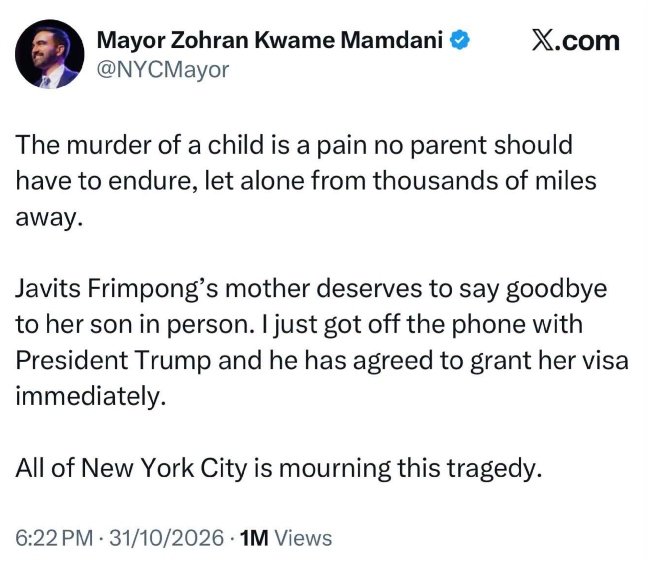
“The murder of a child is a pain no parent should have to endure, let alone from thousands of miles away,” Mamdani wrote in a post on X.
“Javits Frimpong’s mother deserves to say goodbye to her son in person. I just got off the phone with President Trump and he has agreed to grant her visa immediately,” he added.
Ghana’s Foreign Affairs Minister, Samuel Okudzeto Ablakwa, welcomed the intervention, describing the decision as timely and confirming that president John Mahama‘s administration would support the mother’s travel and funeral arrangements.
In a statement, Ablakwa said he had spoken with Madam Adu Gyamfi and assigned officials from Ghana’s Ministry of Foreign Affairs to assist her with the visa application process.
“Madam Doris Adu Gyamfi’s pain as a loving mother is unimaginable and indeed everything must be done to ensure she is present to pay her respects,” Ablakwa wrote.
He confirmed that the Mahama administration would cover the full cost of her travel to the United States and was prepared to contribute toward a dignified funeral for Javits.
A mother’s loss thousands of miles from home
Javits had moved from Ghana to New York approximately one year before his death to live with his father, Thomas Frimpong, in search of better opportunities. His mother remained in Ghana, separated from her son by thousands of miles.
On the morning of October 29, 2026, Javits was walking to DreamYard Preparatory School near Crotona Park in the Bronx when he was reportedly chased and shot in the abdomen. He was taken to St. Barnabas Hospital, where he was pronounced dead.
His killing has devastated his family and prompted an outpouring of grief among residents of the Bronx and members of the Ghanaian and wider West African diaspora.
The case has also raised concerns about reports that Javits had experienced bullying at school. His father said two students had recently been suspended following an incident involving harassment. Police had not officially confirmed whether the reported bullying was directly connected to the fatal shooting.
Investigators were searching for three teenage suspects reportedly seen fleeing the scene in dark clothing and surgical masks. No arrests had been announced in the information provided.
Ghana pledges support as calls for justice continue
Ablakwa thanked Mamdani and welcomed Trump’s decision, saying Ghana had confidence in the New York mayor’s intervention.
The foreign minister also reaffirmed the government’s commitment to working with U.S. authorities to pursue justice for Javits.
“We resolve to continue to work together in securing justice for Javits,” he wrote.
The government’s pledge to pay the mother’s travel expenses and assist with funeral costs is intended to help ensure that she can mourn her son alongside family and community members in the United States.
For a mother who remained in Ghana while her teenage son pursued a new life abroad, the opportunity to be physically present for his final farewell carries profound emotional significance.
A family and diaspora community in mourning
Mamdani said New York City was mourning Javits’ death, as vigils and memorial gatherings brought together community members, religious leaders and people calling for an end to youth gun violence.
The case has resonated beyond New York, particularly among Ghanaians concerned about the safety of young people living and studying abroad.
As arrangements for Javits’ funeral move forward, his mother’s planned journey offers an opportunity for her to say goodbye in person, while the investigation into his killing continues.
The tragedy leaves a family grieving a child whose move to the United States had been part of a search for a better future. Ghana’s government says it will continue to support the family and work with U.S. officials as they seek answers and justice.


-

 Global Update31 minutes ago
2026 U.S. Midterms: The 10 Key Takeaways From a Historic Democratic Wave
-

 Fashion & Style2 days ago
Larry Jay: Reimagining Ghanaian Heritage Through Modern Fashion
-

 Taste GH2 days ago
Beyond the Red Sauce: Discovering Upper East Ghana’s Funky Dawadawa Jollof
-

 Fashion & Style1 day ago
Steve French: Turning Ghanaian Childhood Memories into Contemporary Fashion
-

 Taste GH12 hours ago
Is Ghana’s Kpogulo a Dumpling? Exploring a Northern Ghanaian Food Tradition
-

 Ghana News10 hours ago
Ghanaian Community in the Bronx Reels After Second Tragedy: 24-Year-Old Church Organist Found Dead at Dumpsite
-
 Festivals & Events9 hours ago
Inspire Cape Coast 2026: Can Tourism, Events and Media Put Oguaa on the Global Map?
-
 Sights and Sounds2 hours ago
Building Africa’s Architectural Future: Inside the African Futures Institute