Health & Wellness
Every Minute Matters: The Simple Secret to Raising Active, Healthy Children


Sixty minutes can sound like a long time, especially on a school day packed with lessons, homework and family responsibilities.
But what if that hour didn’t have to happen all at once? What if ten minutes of skipping before school, fifteen minutes of football during break, and a lively bike ride or dance session after school could add up to something life-changing?
That simple shift in thinking may be one of the easiest ways to help children build healthier bodies and happier minds. Instead of treating exercise as another task on a busy schedule, families can weave movement into the rhythm of everyday life.
Small Bursts, Big Health Rewards
Children are naturally wired to move. Running, jumping, climbing and playing do much more than burn energy—they strengthen muscles and bones, improve heart health and sharpen concentration. Regular physical activity has also been linked to better sleep, improved mood and stronger academic performance.
For many families in Ghana and around the world, the challenge isn’t convincing children to be active. It’s finding time. School, screen time, and long commutes often squeeze play out of the day.
The good news is that health experts encourage children to accumulate about 60 minutes of moderate to vigorous activity daily, meaning every active moment counts.
A brisk walk to school, a game of ampe with friends, dancing to favourite songs after dinner or helping with energetic household chores can all contribute to that daily target. These moments may seem small on their own, but together they create lasting health benefits.
Building Healthy Habits for Life
The greatest value of daily movement isn’t simply reaching a magic number on the clock. It’s teaching children that an active lifestyle belongs in everyday life, not just on sports days or weekends.
Parents don’t need expensive gym memberships or organised sports to make a difference. They need opportunities for children to move, explore and enjoy being active.
When movement becomes part of family life, children are more likely to carry those habits into adulthood.
An hour of activity isn’t about perfection. It’s about collecting moments of movement throughout the day until healthy choices become second nature.
One jump, one game and one walk at a time, those sixty minutes can help shape a stronger, healthier future.













You have cut your portions, turned down extra helpings of jollof rice and tried to stay away from sugary drinks, yet the number on the scale barely moves.
It is frustrating, especially when you feel you are doing everything right. But a weight-loss plateau does not automatically mean you need to eat even less.
Look Beyond Your Plate
Weight management involves more than food alone. Daily movement, exercise, sleep, medications and individual differences in energy needs can all influence progress.
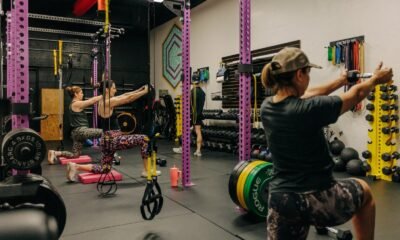
Start by examining how active you are outside the gym. Three strength-training sessions each week are valuable, but spending most of the remaining hours sitting can limit your overall activity. Walking more, taking the stairs and breaking up long periods of sitting can help.
Gradually working towards 8,000–10,000 daily steps may suit some people, although the right target depends on fitness and health.
Could Your Portions Be Misleading You?
People often underestimate how much they eat. Cooking oil, salad dressings, sweetened drinks, snacks and generous weekend portions can add energy that is easy to overlook. For a few days, record meals and drinks honestly, including the small bites taken while cooking. The goal is awareness, not guilt or obsessive calorie counting.
However, eating very little is not a reliable shortcut. Prolonged restrictive dieting can increase hunger, reduce spontaneous movement and cause the body to expend less energy as weight falls. Your metabolism does not simply break, but your energy requirements may change.
Choose Progress Over Punishment
If your weight has stalled, review your activity, portions and consistency before cutting food further. Compare weight trends over several weeks rather than reacting to daily fluctuations, which can reflect water retention and hormonal changes.
If you are persistently struggling despite consistent habits, or experiencing unusual fatigue or other symptoms, consult a qualified health professional.
The answer to a plateau is not always eating less. Sometimes, it is understanding your habits, protecting your health and choosing a plan you can sustain.

The person who loses the most weight is not always the person who loses the most fat. That surprising distinction could change how you approach your next weight-loss journey.
When the number on the bathroom scale refuses to drop quickly, your workouts may be working better than you think.
Why Strength Training Changes the Picture
A study described in the research behind this debate compared people following a calorie-restricted diet while doing resistance training, cardio or dieting alone. Its reported findings suggest that people who lifted weights lost more fat while preserving, and sometimes gaining, lean mass.
The reason is important. Your body weight includes fat, muscle, water and other tissues. When you lose weight through dieting alone, some of that loss can come from muscle.
Cardio can support fat loss and improve heart health, but without resistance exercise, preserving muscle may be more difficult during a calorie deficit.
Strength training gives your body a reason to retain muscle while using stored fat for energy. Because muscle contributes to your shape, strength and everyday function, the results may show up in your waist measurement, clothing fit and physical ability before the scale tells the full story.
Making It Work in Everyday Life
You do not need an expensive gym membership to begin. Squats, wall push-ups, resistance bands and lifting household weights can provide a starting point.
Gradually increase the challenge as your strength improves, and include protein-rich foods such as eggs, beans, fish and yoghurt to support muscle maintenance.
Walking, cycling and other cardio activities remain valuable, too. Combining them with strength training and a sustainable eating pattern can support both fat loss and overall health.
The lesson is not to abandon your bathroom scale, but to stop treating it as the only judge of progress.
Measure your waist, notice how your clothes fit and celebrate getting stronger. Lasting progress is about improving your body composition, not simply becoming lighter.
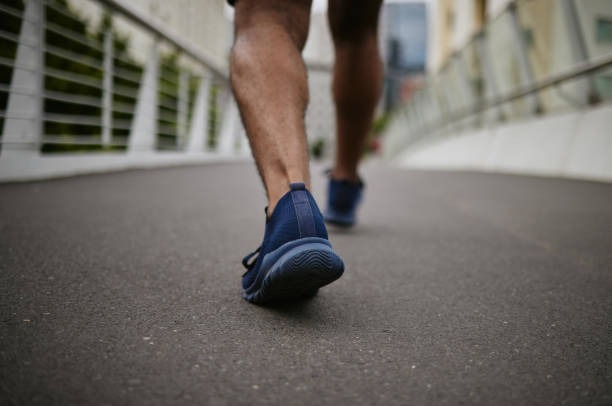
Walking is often treated as the workout you do when you have no time for the gym.
But that daily stroll to the bus stop, a lunchtime walk or an evening lap around your neighbourhood could be doing far more for your health than you realise.
What Happens When You Walk?
Your body begins responding almost immediately. Working muscles draw glucose from the bloodstream for energy, helping regulate blood sugar.
Regular movement can also lift your mood, ease stress and support better sleep.
Walking benefits more than your muscles. Physical activity supports immune function and brain health, while consistent exercise can help maintain memory and thinking skills as you age.

These benefits build over time, making a regular walking habit valuable even when each individual walk feels unremarkable.
For people who spend long hours sitting at a desk, driving or working from home, walking offers a practical way to interrupt sedentary routines.
In Ghana, it might mean taking a brisk walk before work, getting off public transport a stop earlier where safe, or moving around the neighbourhood after dinner.
Can Walking Help Reduce Belly Fat?
Walking can contribute to weight management, including reductions in abdominal fat, but results vary.
Changes depend on factors such as pace, consistency, diet, sleep and individual health. It is not a guaranteed way to lose a specific amount of fat without changing eating habits.
Over time, regular walking can improve cardiovascular fitness and help lower the risk of conditions such as type 2 diabetes and heart disease.
Start Small and Keep Going
A useful goal for many adults is around 6,000 to 7,000 steps a day, adjusted to personal ability. Alternatively, aim for about 30 minutes of brisk walking and gradually build towards 50 minutes on most days.
You do not need to begin with a perfect routine. Start where you are, choose a safe route and keep showing up.
The real power of walking is not one long session; it is the many small journeys that become part of your life.