
Tourism
Explainer: The Difference Between Trump’s 75-country and 39-country visa bans

The United States is currently enforcing two different visa policies at the same time, and immigration experts say the overlap is causing confusion for visa applicants across Africa and beyond.
According to U.S.-based immigration attorney Akua Poku, the policies—a 39-country visa ban and a 75-country immigrant visa processing pause—are often misunderstood, even though they affect people in very different ways.
The 39-country visa ban is the stricter of the two measures. It applies to both immigrant visas (green cards) and non-immigrant visas such as visitor, student, or work visas. Some of the affected countries face a full ban, meaning no visas are issued at all, while others face partial bans affecting only certain visa categories. If an applicant from a banned country attends a visa interview, the U.S. embassy will deny the application automatically unless the person qualifies for a special exemption or waiver.
These denials are issued under U.S. immigration law and are final, meaning the case is closed. Even if the ban is later lifted, applicants usually have to start the process again and pay new visa fees.
The 75-country immigrant visa processing pause, however, works differently. It affects only immigrant visas processed outside the United States, mainly green card applications handled at U.S. embassies. Under this policy, interviews can still go ahead, and cases are reviewed, but visas are not issued while the pause is in place. Instead of a final denial, the embassy temporarily refuses the visa and keeps the case open under administrative processing. When the U.S. government lifts the pause, the same application is usually continued without the applicant having to reapply or pay new fees, although updated documents may be required.
Immigration lawyers stress that understanding the difference is critical. While the visa ban can permanently shut down an application, the processing pause is a delay rather than an end.
For applicants in Ghana and other affected countries, knowing which policy applies can help avoid costly mistakes and unnecessary disappointment. As experts advise, those unsure about their situation should seek proper legal guidance before making decisions about interviews or travel plans.














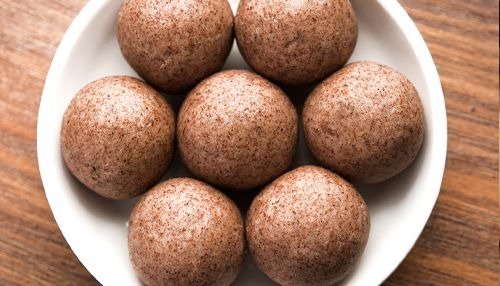
Compact, filling and made from one of West Africa’s most treasured grains, Kapala shows how Ghanaian food traditions turn simple ingredients into practical nourishment for everyday life.
Known as millet balls, Kapala is prepared by cooking millet and moulding it into firm, round shapes.
The result is a humble food with a pleasantly grainy texture and a mild, earthy flavour that allows it to pair beautifully with a variety of accompaniments.
A Taste of Ghanaian Food Heritage
Kapala’s appeal lies in its versatility. It can be served alongside soup, where the millet balls provide a satisfying base for a hearty meal, or enjoyed with milk for a simpler combination.
For those who prefer a savoury kick, a spicy groundnut-based sauce offers a delicious contrast, bringing creamy nuttiness and heat to the grain’s gentle flavour.
Millet has long been valued in parts of Ghana and across West Africa, particularly in communities where traditional grains remain important to everyday cooking.
Kapala reflects a practical approach to food: preparing a staple that can be carried easily and eaten when needed.
For farmers heading to their fields, its compact shape makes it convenient to transport and consume during a demanding working day. It is a reminder that traditional food can be both culturally meaningful and adapted to the realities of rural life.
Nourishment in Every Bite
Millet provides carbohydrates for energy, along with dietary fibre, minerals and other nutrients.
Its fibre content can support digestive health, while its carbohydrates help fuel physical activity. The overall nutritional value of Kapala depends on how it is prepared and what accompanies it.
For international visitors exploring Ghanaian cuisine, Kapala offers an opportunity to appreciate the ingenuity behind everyday local foods. Its simplicity is part of its charm: a familiar grain transformed into a portable, nourishing staple.
In every rounded ball is a story of resourcefulness, agricultural heritage and the enduring connection between Ghanaian food and daily life.

A child searching for their first picture book, a university student hunting for a prescribed textbook or a reader hoping to find their next favourite novel can all begin their search at the same place: EPP BookShop at Legon City Mall.
Located at 7 Lagoon Street, off Giffard Road, the Legon branch brings together books for different ages, interests and stages of learning.

Its appeal lies in the range of titles available, making it a useful stop for families preparing children for school, students pursuing higher education and readers looking beyond the classroom.
From a Small Accra Shop to a Growing Book Business
EPP Books began in 1991 as a modest bookshop in Accra, occupying a space of no more than 20 square metres.
Over the years, it grew into a chain with branches across the West African sub-region, expanding its reach beyond its original location.
That journey reflects the continuing need for accessible books in homes, schools and educational institutions.
For many learners, textbooks and supplementary readers are essential tools, while novels and self-help books offer opportunities for entertainment, personal growth and discovery.
Books for Different Stages of Life
At the Legon branch, the selection spans preschool materials, children’s readers, school curriculum books, secondary-school textbooks and university-level titles. Customers can also browse bestselling novels and books on personal development.

EPP BookShop serves both retail and wholesale customers, giving individual readers and organisations options for purchasing books. If a particular title is unavailable on the shelves, the shop can also arrange to order it.
For residents, students and visitors in the Legon area, the branch offers more than a place to buy reading materials. It provides a practical starting point for the search for knowledge, whether that begins with a child’s first schoolbook or a reader’s next literary adventure.

From a steaming bowl of fufu and soup to the irresistible aroma of kelewele fresh from the frying pan, Ghanaian food offers more than comfort and flavour.
When balanced well, it can also provide many of the nutrients the body needs to thrive.
Traditional Ghanaian cuisine draws heavily on natural ingredients, including yam, plantain, beans, fish, groundnuts and leafy vegetables.
These foods supply energy, protein, fibre, vitamins and minerals. Kontomire stew, okro soup and garden eggs bring colour and nutrients to the table, while fish and legumes offer protein.
Spices and seasonings give dishes their distinctive character, making everyday meals deeply satisfying.
Waakye, the much-loved combination of rice and beans, illustrates this potential. Paired with vegetables, fish or eggs, it can provide a satisfying mix of carbohydrates, protein and fibre.
Yet the nutritional value depends on portion sizes and the amount of oil, salt and rich accompaniments added.
When Tradition Needs Balance
Palm oil gives dishes such as red red their familiar colour and taste. It also contains vitamin E and carotenoids, which the body can convert into vitamin A. However, it is high in saturated fat, so using moderate amounts and avoiding repeated overheating are sensible choices.
Portion sizes matter, too. Meals dominated by large servings of fufu, banku, rice or yam, with little vegetables or protein, may make it harder to maintain a balanced diet over time.
Meanwhile, instant noodles, sugary drinks and heavily processed snacks are increasingly competing with home-cooked meals. Frequent consumption can contribute to excessive sugar, salt and calorie intake.
Keeping Ghanaian Food Healthy
The answer is not to abandon beloved local dishes, but to prepare and serve them thoughtfully.
Enjoy reasonable portions of starchy staples, add generous vegetables, include beans, fish or other protein sources, and use oil and salt sparingly.
Ghanaian food can be both delicious and nourishing. The secret lies in balance, variety and preserving the best of local cooking while making choices that support long-term health.


-

 Ghana News2 days ago
OBITUARY: Gamal Gorkeh Nkrumah, Son of Ghana’s Founding President, Dies in Cairo
-

 Festivals & Events2 days ago
MaddFest 2027: Welcome the New Year with a Night of Celebration in Accra
-

 Global Update2 days ago
Wave of Student Killings at Mexico Universities Raises Safety Concerns
-

 Ghana News2 days ago
Mahama to Churches: The Real Sermon Is Written After the Closing Prayer
-

 Reels & Social Media Highlights2 days ago
Ghana’s Timeline Erupts: Showboy’s Crude Plea, Asantewaa’s Silence, and a Nation Divided
-

 Festivals & Events1 day ago
Velukusi Festival: Re-enacting the Ewe Escape to Freedom in Ve-Deme
-

 Taste GH1 day ago
Simple, Nourishing and Rooted in Tradition: Discover Ghana’s Kapala
-

 Health & Wellness2 days ago
The Scale Can Lie: Why Lifting Weights May Help You Lose More Fat