
Arts and GH Heritage
When Ghana Dances: Larry Otoo Turns Everyday Celebrations into Cultural History

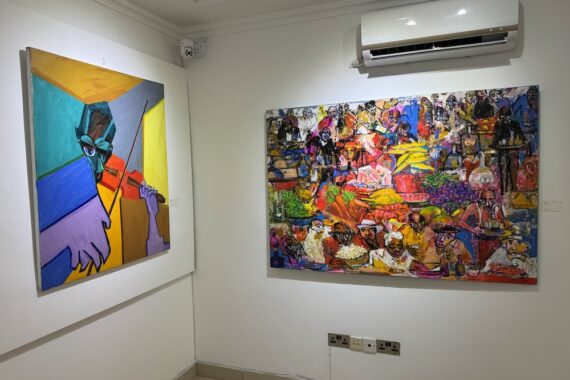
Music has a way of preserving moments that photographs sometimes miss: the sway of a dancer, the excitement of a trumpet solo, the laughter shared between strangers gathered around a band.
For veteran Ghanaian painter Larry Otoo, these fleeting encounters are worth preserving on canvas.
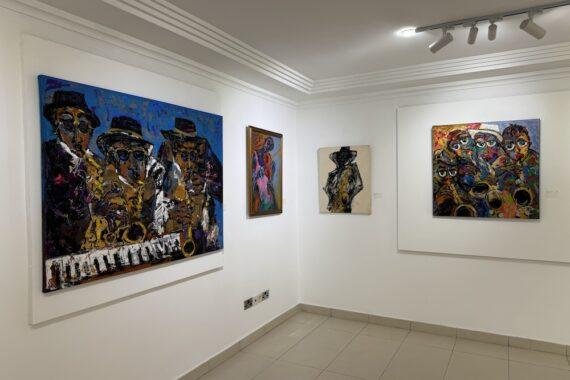
His exhibition, Let’s Dance, explores how music, movement and communal celebration form part of Ghana’s cultural memory.
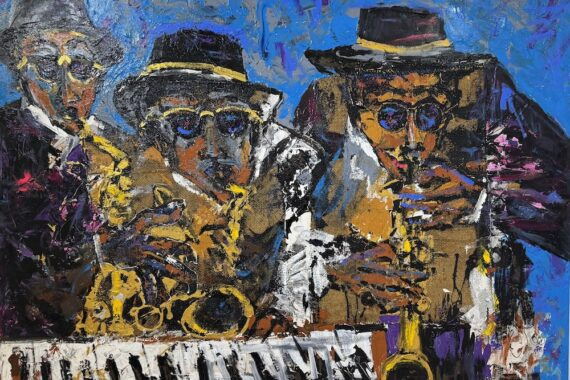
Painting the Sound of a Generation
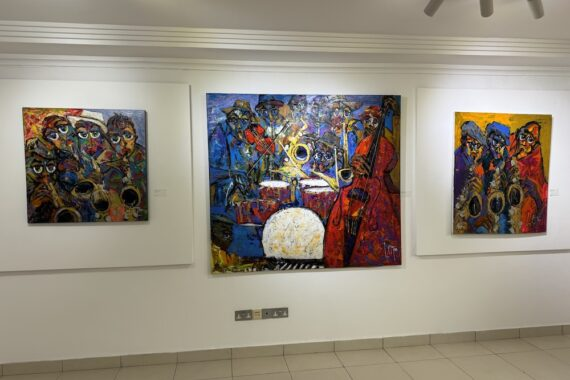
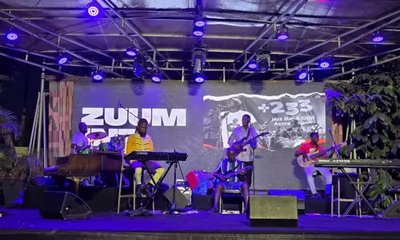
Featuring 48 works at Tiga Art Gallery, the exhibition draws on the infectious rhythms of jazz and highlife, translating their energy into bold colours, expressive brushstrokes and animated figures.
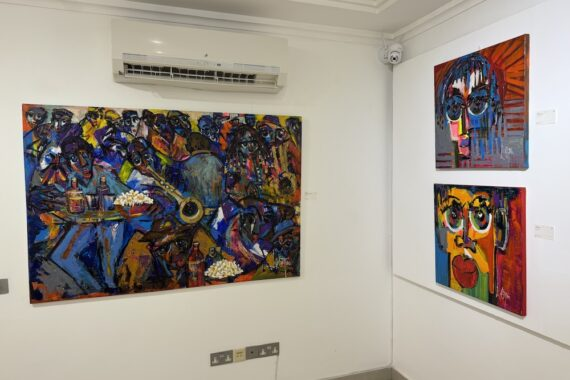
Musicians appear alongside dancers and spectators, capturing the relationship between performers and audiences that makes live music such a communal experience.
Highlife, in particular, occupies an important place in Ghanaian social history. Its melodies have accompanied generations of celebrations, from family gatherings and social dances to public festivities.
Otoo’s paintings recall these shared experiences, presenting music as an expression of belonging rather than simply entertainment.
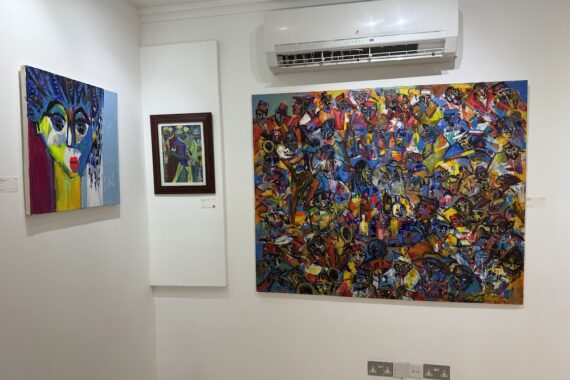
Beyond Music: An Archive of Ghanaian Life
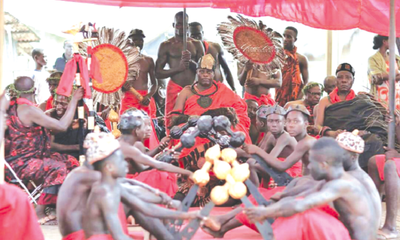
At 70, Otoo’s artistic interests extend beyond musical celebrations. His paintings of traditional durbars document the ceremonial language of Ghanaian chieftaincy, including royal umbrellas, oath-taking swords and carefully observed seating arrangements.
Scenes of rural livelihoods also preserve glimpses of traditions shaped by generations of community life.
Recognised with the Asantehene Otumfuo Osei Tutu II Art Award for Lifetime Achievement in Painting, Otoo continues to approach art as something to be shared with the public.
Let’s Dance ultimately makes a compelling point: cultural heritage does not live only in museums, archives or historical accounts.
It also survives in familiar songs, dancing bodies and ordinary gatherings. The exhibition closes on November 17, 2026.






Arts and GH Heritage
Where Sacred Groves Meet Contemporary Art: Rethinking Humanity’s Bond with Nature
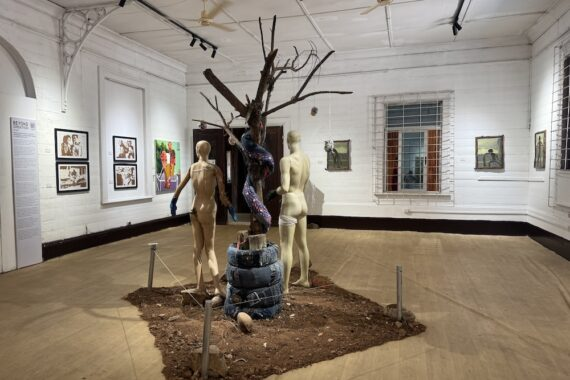
A fallen leaf, a piece of bark or an abandoned object can carry a story about humanity’s relationship with the Earth.
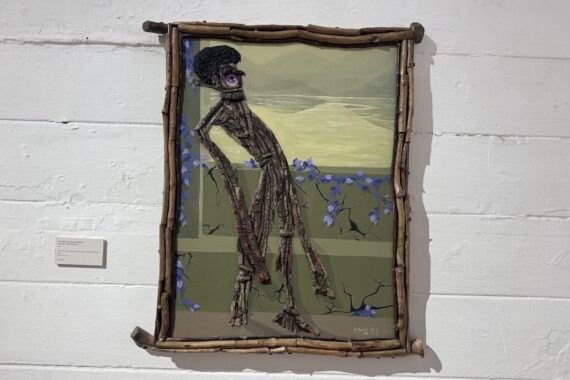
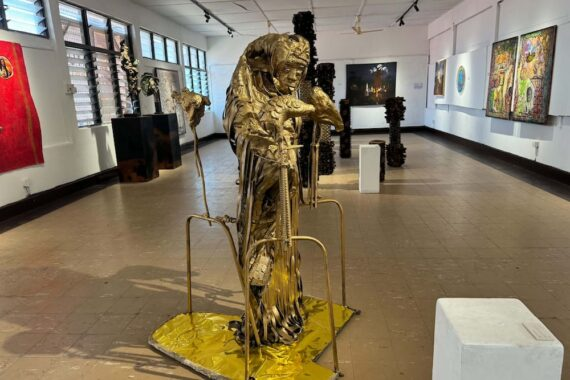
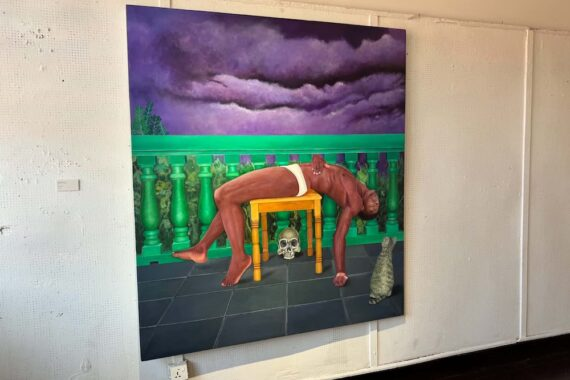
At Accra’s Center for National Culture, these often-overlooked materials take on deeper meaning in Beyond Creation: Humanity, Nature and Spirituality – A Universal Message, an exhibition inviting visitors to reconsider what it means to care for the natural world.
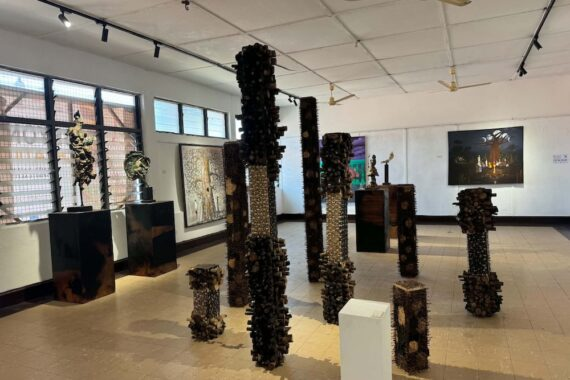
When Nature Becomes Sacred
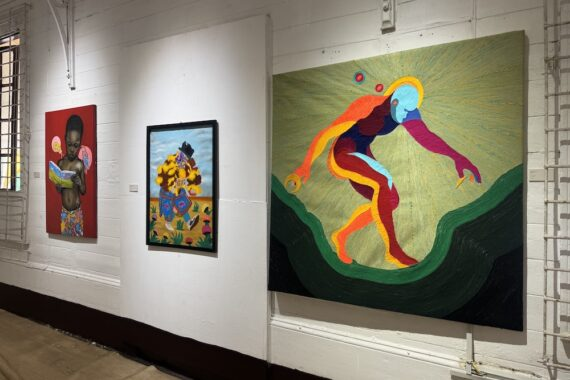
Bringing together 40 artists from Ghana, Togo, Benin, Nigeria, Sudan, Italy, Canada, Jamaica, Ukraine, and other participating countries, the exhibition explores environmental responsibility through the meeting of African indigenous spirituality and Christian thought.
Curated by Nuna Adisenu Doe and Andrea Walter Ghia, the exhibition draws inspiration from the 800th anniversary of Saint Francis of Assisi’s death.
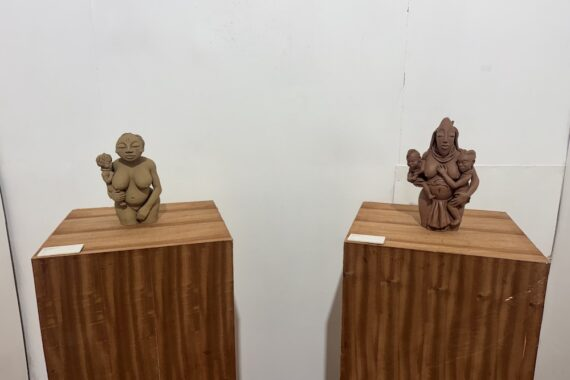
His reverence for creation finds a compelling counterpart in African traditions that recognise spiritual significance in rivers, forests, hills and animals.
In Ghana, this relationship has long found expression in sacred groves, restrictions on seasonal hunting and customary prohibitions against polluting water bodies.
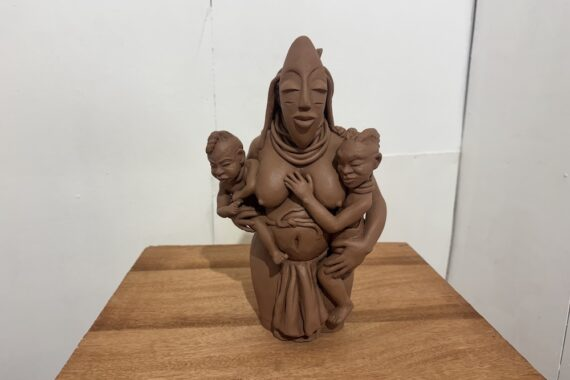
These practices reflect a worldview in which nature is not simply property to be consumed, but part of a wider relationship connecting communities, ancestors and the spiritual realm.
Art as a Call to Responsibility
Through painting, photography, sculpture and installation, the artists transform natural materials and discarded objects into prompts for reflection.
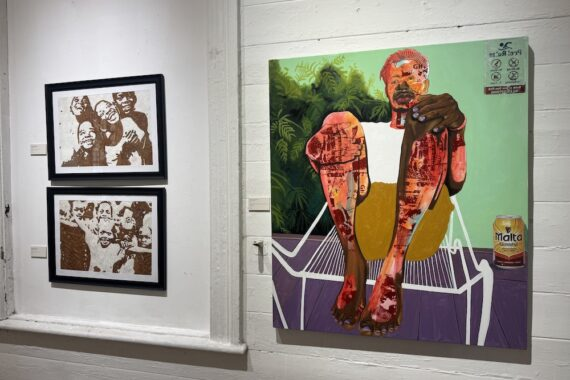
Bark, leaves and weathered surfaces become reminders of the histories embedded in the environment and the consequences of human consumption.
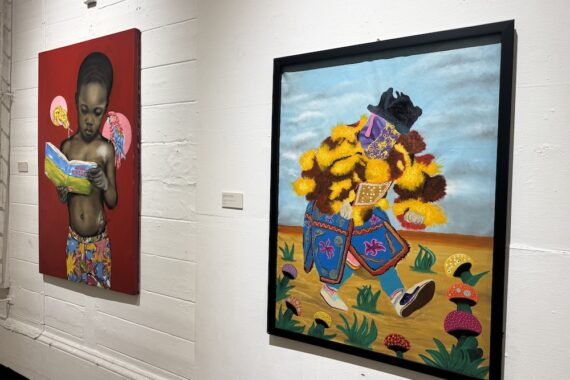
Organised around three themes—The Sacred in Creation, Brothers and Sisters of the Earth and Guardians of the Future—the exhibition moves from spiritual recognition towards shared responsibility.
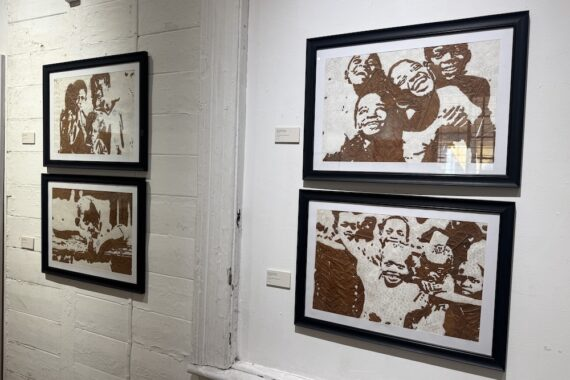
Running until Wednesday, November 4, 2026, Beyond Creation offers a timely message: environmental protection need not begin with new ideas alone.
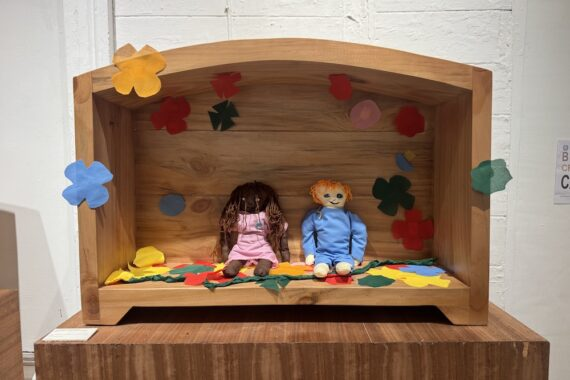
It can also emerge from cultural wisdom that has long understood humanity’s dependence on the living world.
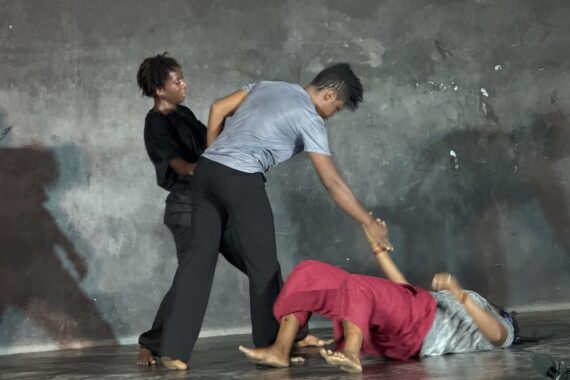
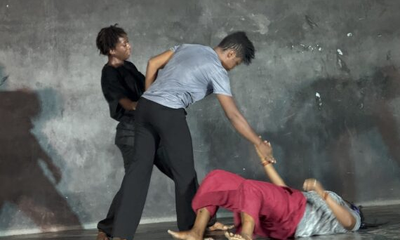
Synaptic Resonances explores womanhood, inherited identity and the courage to begin again through contemporary dance in Lomé.
Three women live in the same housing complex, close enough to cross paths but distant enough to remain strangers to one another’s pain.
On stage, their separate lives become a powerful meditation on loneliness, loss and the unexpected bonds that emerge when familiar worlds begin to fall apart.
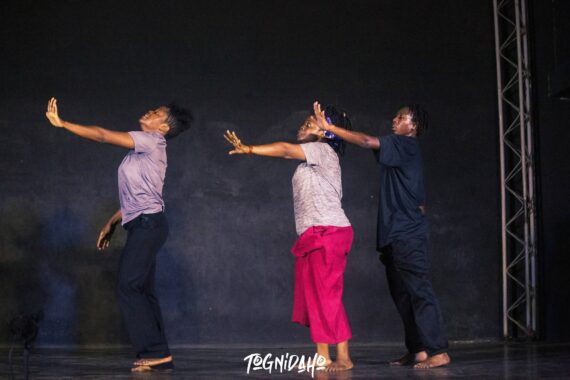
Presented at the Brin de Chocolat Cultural Center in Lomé, Togo, Synaptic Resonances transforms everyday struggles into a compelling language of movement, challenging audiences to reconsider what it means to start over.
The Stories Hidden Behind Closed Doors
Choreographed by Beninese dancer Nourou-Deen Eniola, the production brings together Bagna Malimda, Dogbe Akossiwa Dogbe and Yerima Adjaratou as three women confronting different turning points.
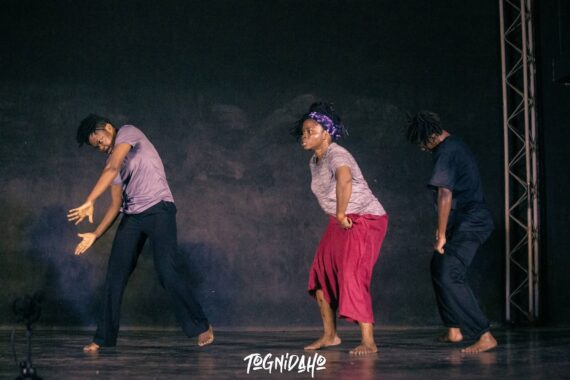
One is a single mother carrying the weight of raising three children. Another is a wealthy widow learning to live after her husband’s death.
The third faces unemployment and the disappointment of another failed relationship.
Their circumstances differ, yet their stories touch on familiar experiences across West African societies, where family obligations, economic pressures and expectations surrounding women can shape personal choices.
Through energetic sequences, expressive gestures and moments of humour and confrontation, the dancers reveal how private suffering can gradually give way to recognition and solidarity.
Where Ancestral Memory Meets Digital Art
The production’s visual language adds another dimension to its exploration of change. Video mapping projects ancestral motifs across the performers’ bodies, gradually transforming them into lines, networks, pixels and light.

The imagery raises a question relevant to contemporary African identity: how can people honour inherited traditions while making room for new ways of living?
For audiences in Ghana and across the region, this tension resonates with societies negotiating the relationship between cultural expectations and changing social realities.
Organised by Géants Arts Togo and NO’OXPERTISES Togo, with support from the Institut Français du Togo, Synaptic Resonances suggests that transformation rarely happens in isolation. Sometimes, the first step towards renewal is recognising ourselves in someone else’s struggle.
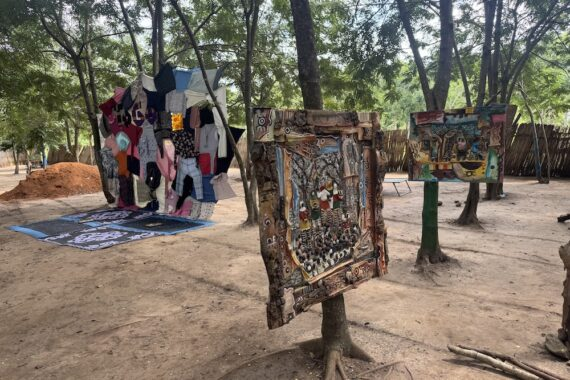
Artists from Ghana, Togo, Benin and Norway explore how contemporary creativity can reconnect communities with their histories.
In Kamina, a village near Atakpamé in Togo, cultural heritage became more than something to remember. For two weeks, it became material to question, reshape and carry into the future.
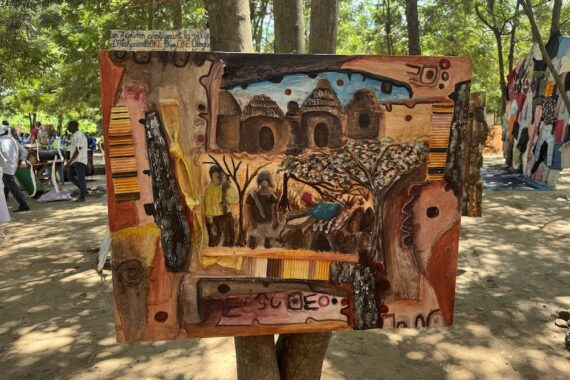
The closing exhibition of the 2026 Karp Kamina Artists and Researchers Residency, held on Sunday, October 19, brought together paintings, sculptures, masks, ceramics and installations created through cross-cultural encounters.
The gathering offered a compelling reflection on how artistic collaboration can keep inherited knowledge relevant to changing societies.
Beyond Preserving the Past
Bringing together practitioners from Togo, Benin, Ghana and Norway, the residency created space for different artistic traditions to meet.
Ghanaian artists Frederick Bamfo and Livingstone Amoako joined fellow creatives, researchers and members of the Dzogbeadzi Music and Dance Group in an environment shaped by experimentation, performance and shared inquiry.
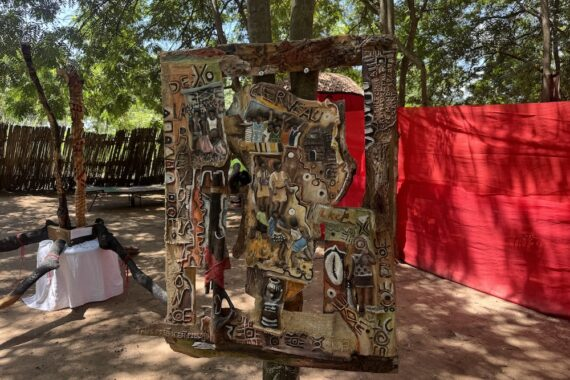
The significance of such encounters extends beyond the finished artworks. When artists work outside familiar studios, engage with local communities and exchange perspectives across generations, cultural knowledge can acquire new forms without losing its historical roots.
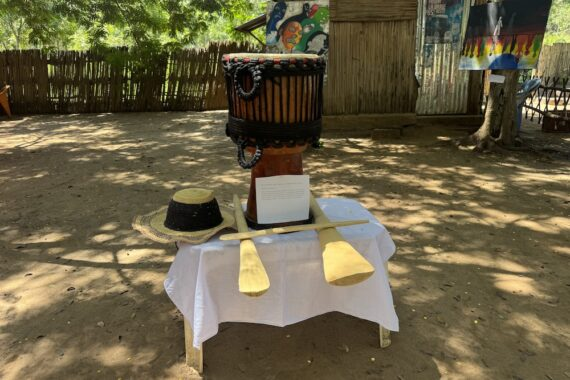
For Ghana and its neighbours, where oral traditions, craftsmanship, music and communal ceremonies remain important carriers of identity, this approach offers another way to engage younger audiences with heritage.
Rather than treating tradition as a fixed inheritance, artists can interpret it through contemporary materials, ideas and experiences.
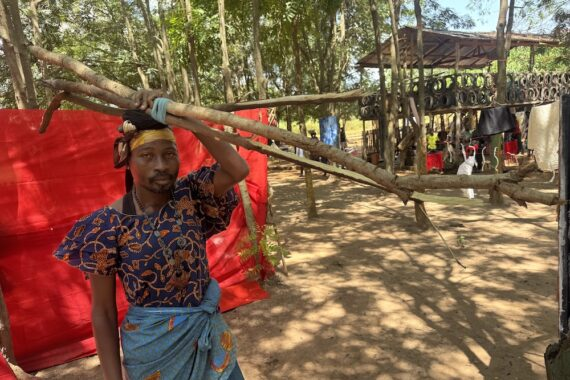
A Regional Platform for Creative Exchange
Karp Kamina’s interdisciplinary approach also challenges the idea that meaningful art must remain within conventional galleries.
By engaging traditional, historic and public spaces, the residency places creative expression closer to the communities whose histories inform it.
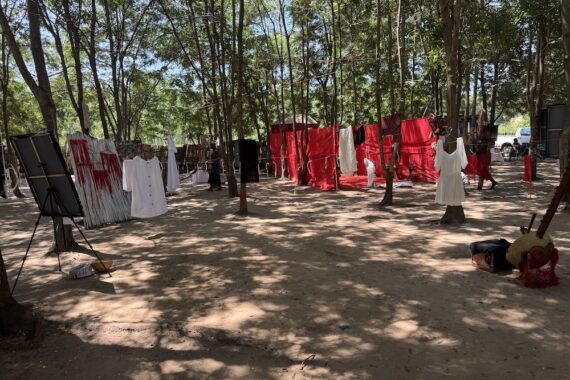
Its lasting promise lies in the relationships established between practitioners and cultures.
The October exhibition marked the end of the residency, but its larger ambition reaches further: building connections through which African heritage can be examined, shared and reimagined internationally.
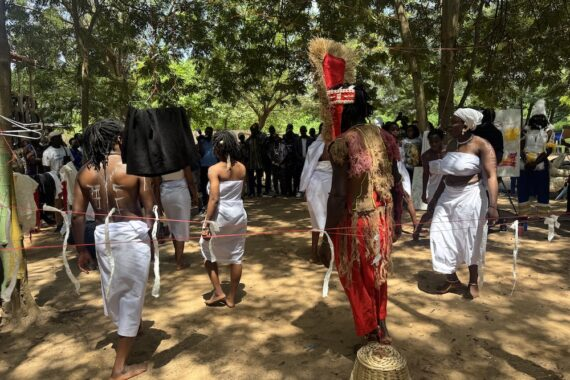
At Kamina, preserving culture meant allowing it to keep moving.


Inspire Cape Coast 2026: Can Tourism, Events and Media Put Oguaa on the Global Map?

Ghanaian Community in the Bronx Reels After Second Tragedy: 24-Year-Old Church Organist Found Dead at Dumpsite

Is Ghana’s Kpogulo a Dumpling? Exploring a Northern Ghanaian Food Tradition
-
 Festivals & Events2 days ago
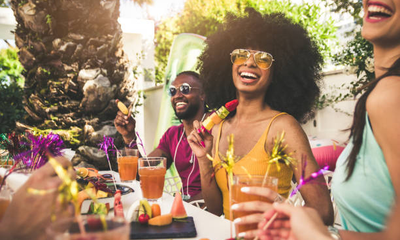
Expats in Ghana Brunch: An Evening of Culture, Conversation and New Connections in Accra
-

 Taste GH2 days ago
Beyond the Red Sauce: Discovering Upper East Ghana’s Funky Dawadawa Jollof
-
 Taste GH7 hours ago
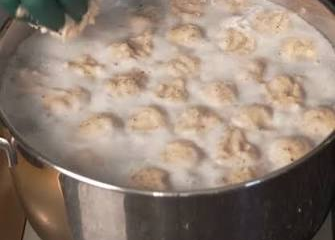
Is Ghana’s Kpogulo a Dumpling? Exploring a Northern Ghanaian Food Tradition
-
 Ghana News5 hours ago
Ghanaian Community in the Bronx Reels After Second Tragedy: 24-Year-Old Church Organist Found Dead at Dumpsite
-
 Festivals & Events4 hours ago
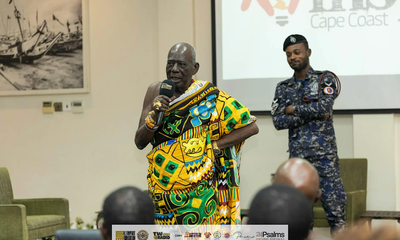
Inspire Cape Coast 2026: Can Tourism, Events and Media Put Oguaa on the Global Map?
-

 Health & Wellness1 day ago
Your Phone Doesn’t Belong on the Toilet: Why Prolonged Sitting Could Harm Your Health